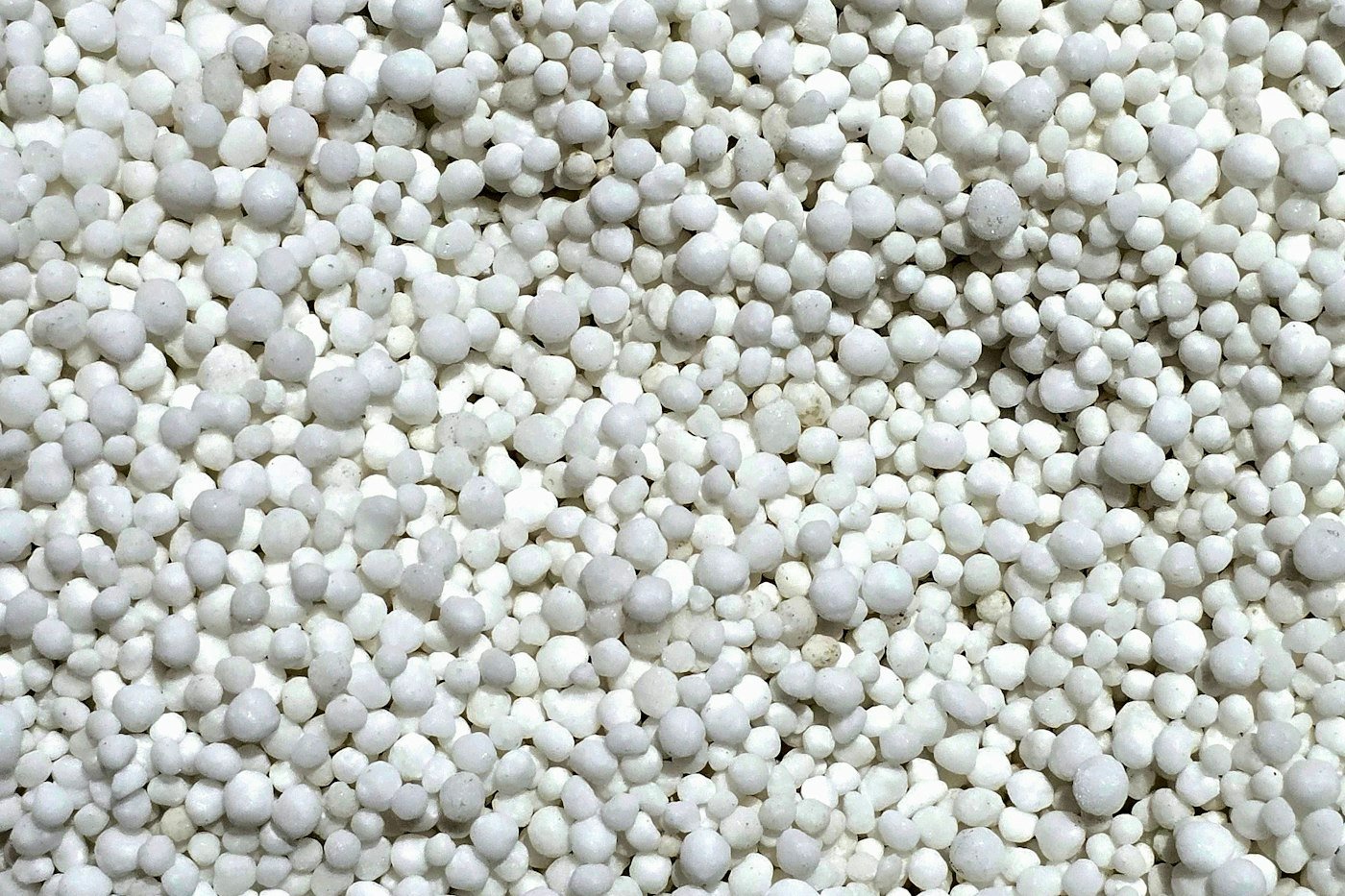

An NPK bag shows three numbers, such as 15-15-15: the percentages of nitrogen (N), phosphate (P2O5) and potash (K2O).
Read the numbers by what the crop does
- More nitrogen for leafy growth: cereals, leafy vegetables, young trees.
- More phosphorus for roots and early establishment: seedlings, transplants.
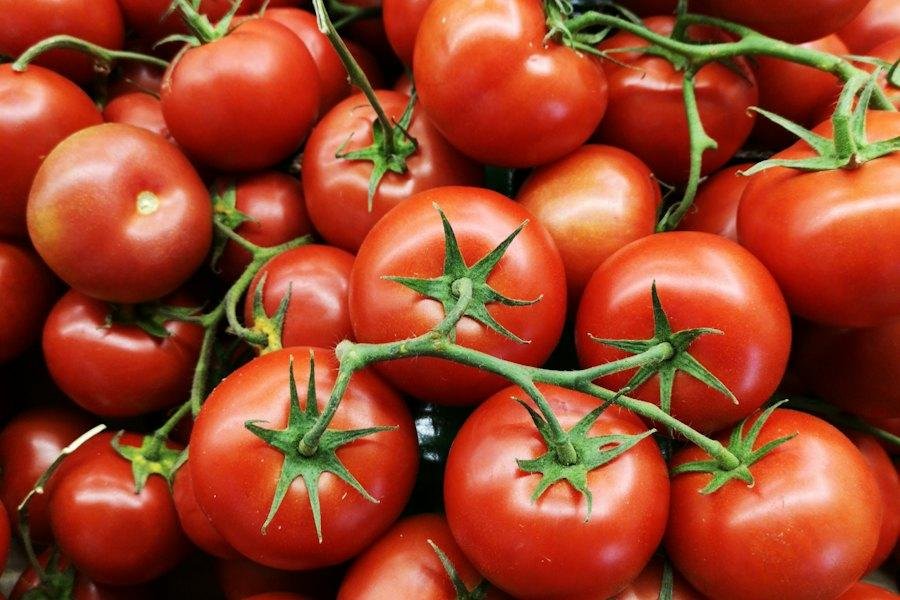
- More potassium for fruit quality and stress tolerance: tomato, onion, date palm, banana, fruit trees.
A simple approach
- Early in the crop: a balanced grade such as 15-15-15.
- Mid-season for fruiting crops: a grade richer in potassium.
- For cereals: phosphorus at sowing and nitrogen top-ups; NPK can supply the first.
Check the soil first
If a soil test shows plenty of phosphorus, a grade with a lot of phosphorus wastes money. Choose a grade that adds what is missing.
Combine with organic matter
NPK feeds the crop; compost or manure builds the soil that holds the feed.
Tell us the crop and stage and we will suggest a grade.
Have a question, or need agricultural advice?
Contact us