Grafting joins a productive top (scion) to a tough root system (rootstock).
Why graft
- Resist soil-borne diseases such as bacterial wilt and fusarium, and some nematodes.
- Tolerate stress: salinity, cold or heat in some cases.
- Stronger roots can lift yield and extend harvest.
Basics
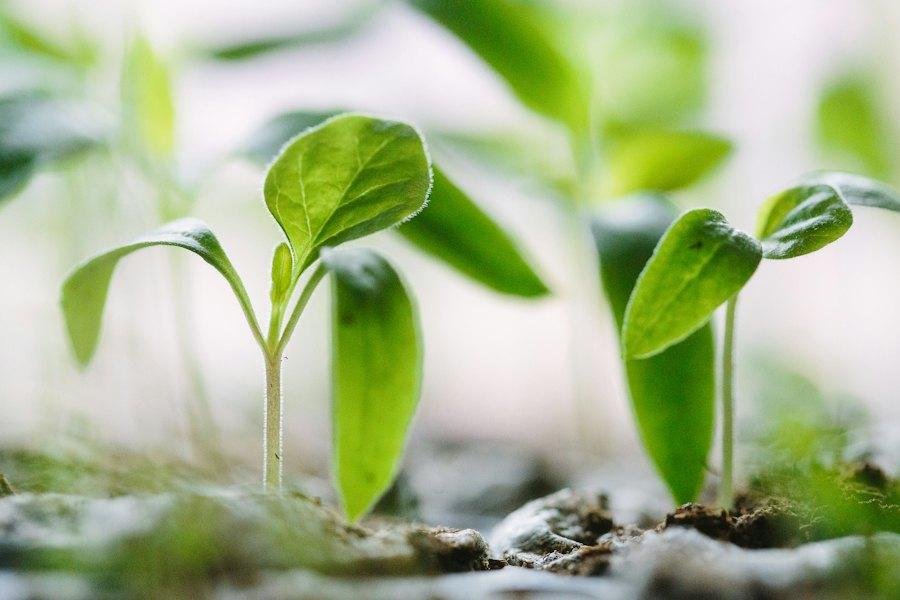
Rootstock and scion seedlings of matching stem thickness are cut and joined (by cleft, tube or splice methods), held with clips, and healed for about 7–10 days in high humidity and shade.
Considerations
Grafted seedlings cost more, so use them where soil disease or stress is a known problem or the crop is high-value. Plant with the graft union above the soil to avoid scion rooting. Skilled nurseries produce grafted plants reliably; buying from them is practical for most farms.
Have a question, or need agricultural advice?
Contact us