
Articles
Practical guides on crops, soil, water, fertilizer and storage for farms in hot climates.
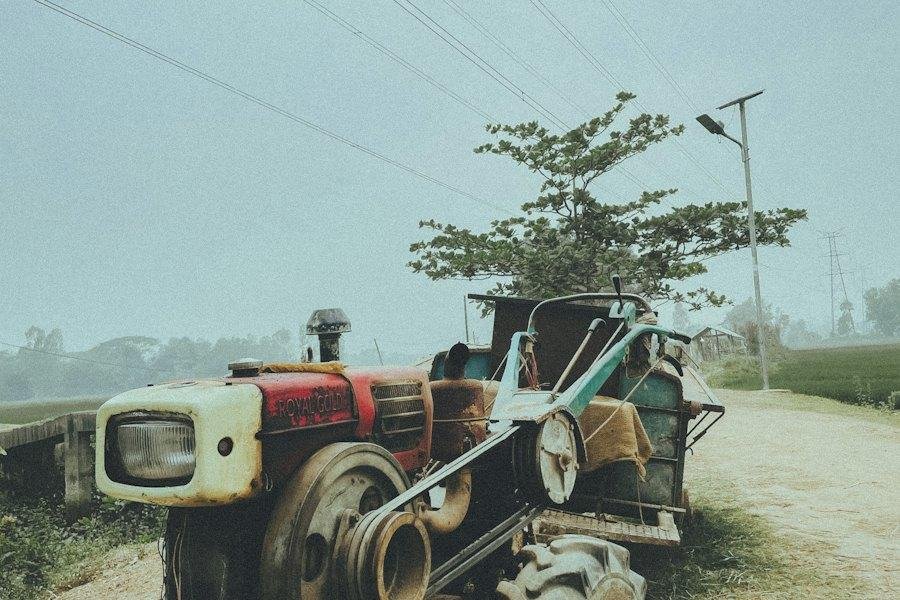
Mechanization Options for Small and Medium Farms
Two-wheel tractors, power tillers, seeders and shared machinery bring mechanization within reach of smaller farms.
Read more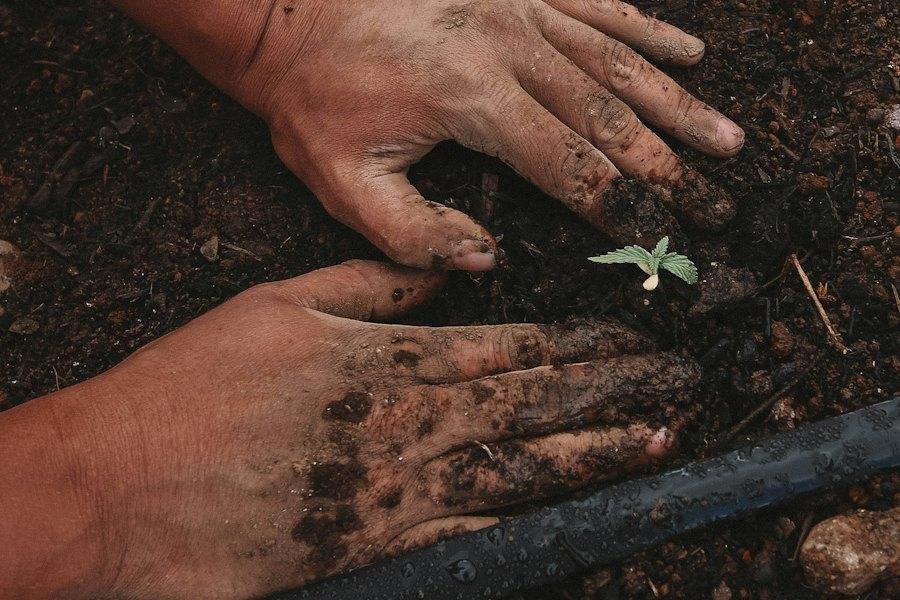
Feel Test: Judging Soil Moisture Without a Sensor
A handful of soil tells you when to irrigate. Learn the squeeze test and match it to your soil type.
Read more
Sunflower: Oil Crop Basics for Dry Regions
Sunflower tolerates drought better than many crops. Good stand, boron and bird and head-rot management protect yield.
Read more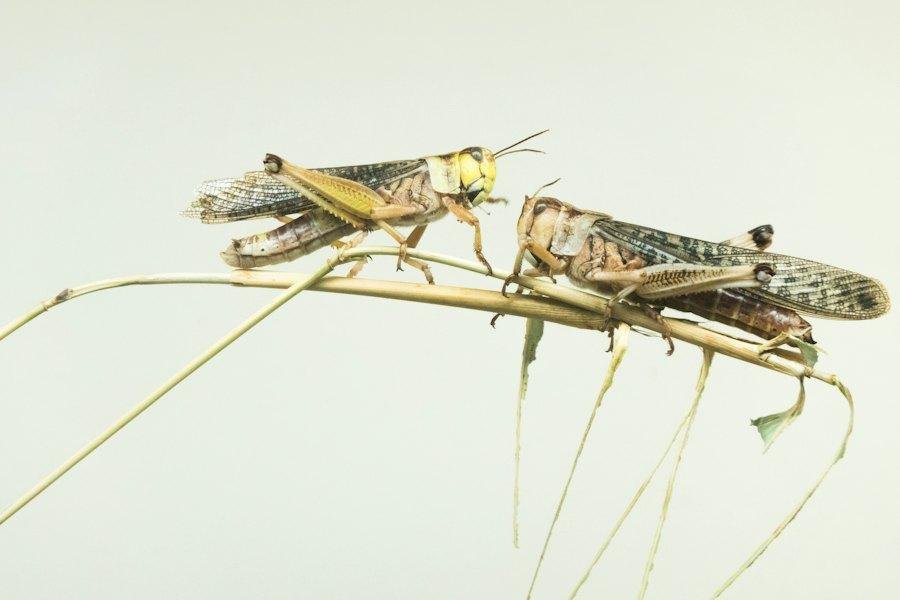
Locusts and Grasshoppers: Preparedness for Farmers
Locust swarms are rare but devastating. Know the warning signs, report early to the authorities and protect high-value fields.
Read more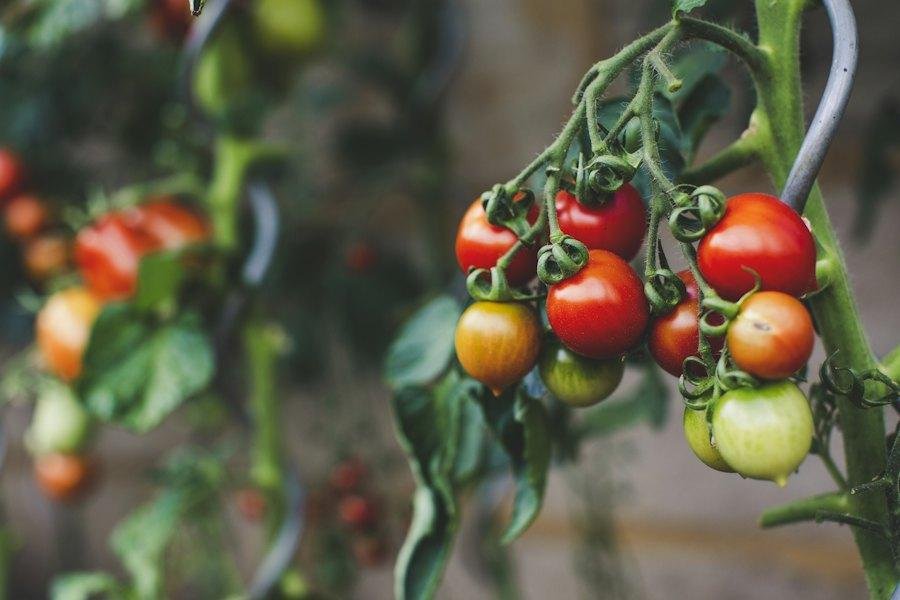
Bacterial Wilt: Prevention Is the Only Cure
Once plants wilt from bacterial infection there is no spray that saves them. Rotation, clean water and healthy seedlings are the defence.
Read more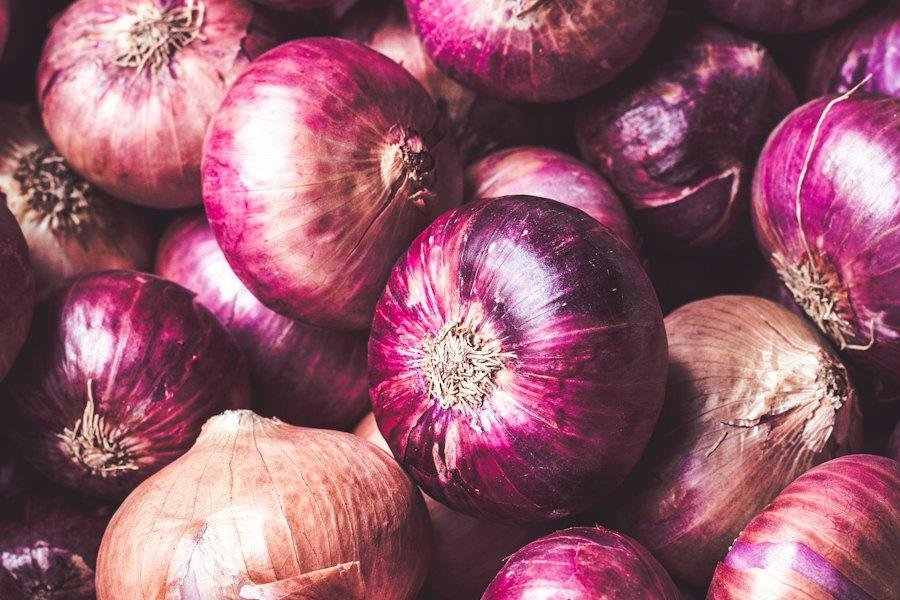
Onion: From Transplant to Well-Cured Bulb
Onion storage life is decided in the field and at curing. Stop water on time and cure bulbs properly.
Read more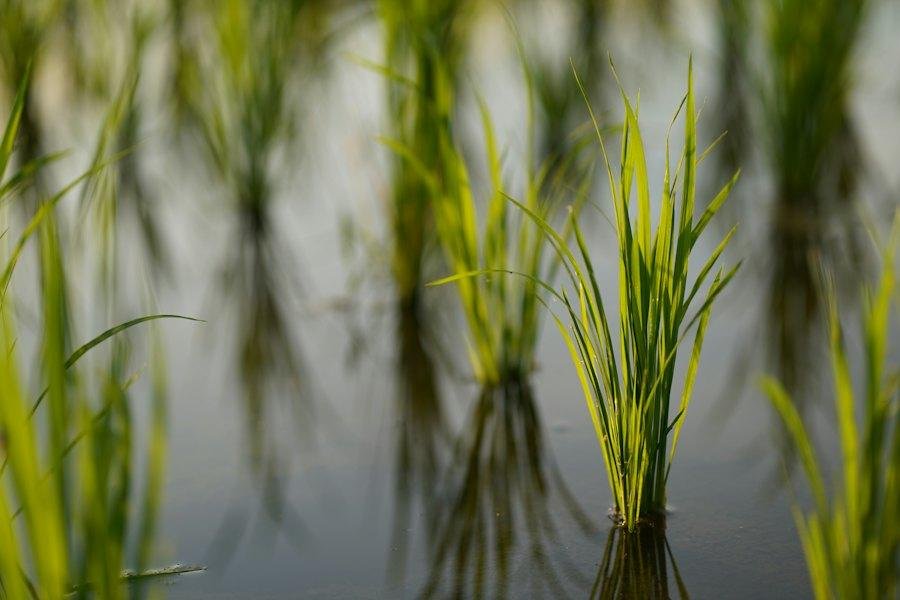
Rice Water Management: Flooding Without Waste
Rice does not need constant deep flooding. Controlled water saves pumping, cuts methane and often keeps yield.
Read more
Cover Crops: Protect and Feed the Soil Between Seasons
A crop grown to cover the soil, not to sell, cuts erosion and weeds and builds organic matter.
Read more
Jute Bag Sizes and Safe Stacking Heights
Choose bag size by crop and handling, and stack to a safe height in a stable pattern to protect both grain and workers.
Read more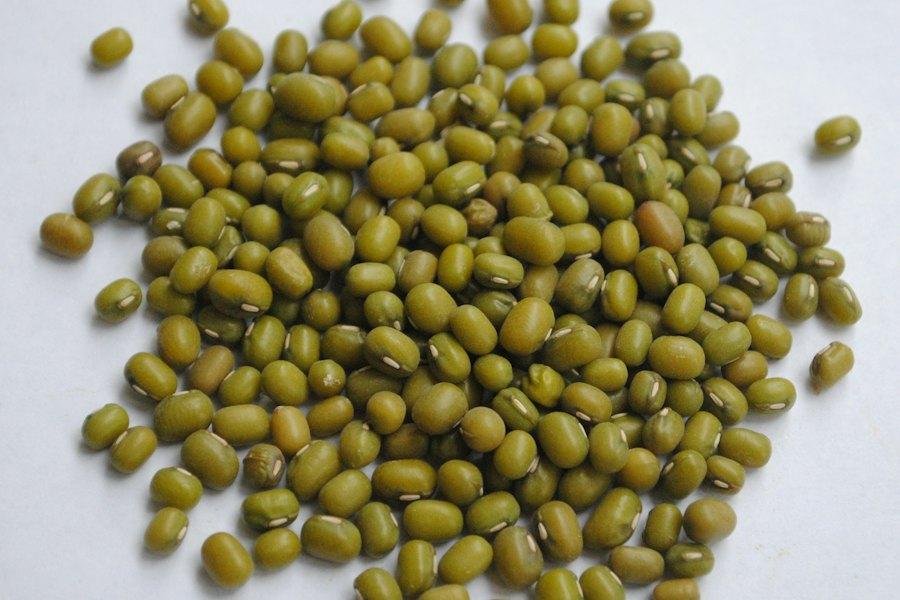
Mung Bean: A Short-Season Crop That Fits Gaps
Mung bean matures in about 60–75 days, so it fits between main crops, adds nitrogen and brings quick cash.
Read more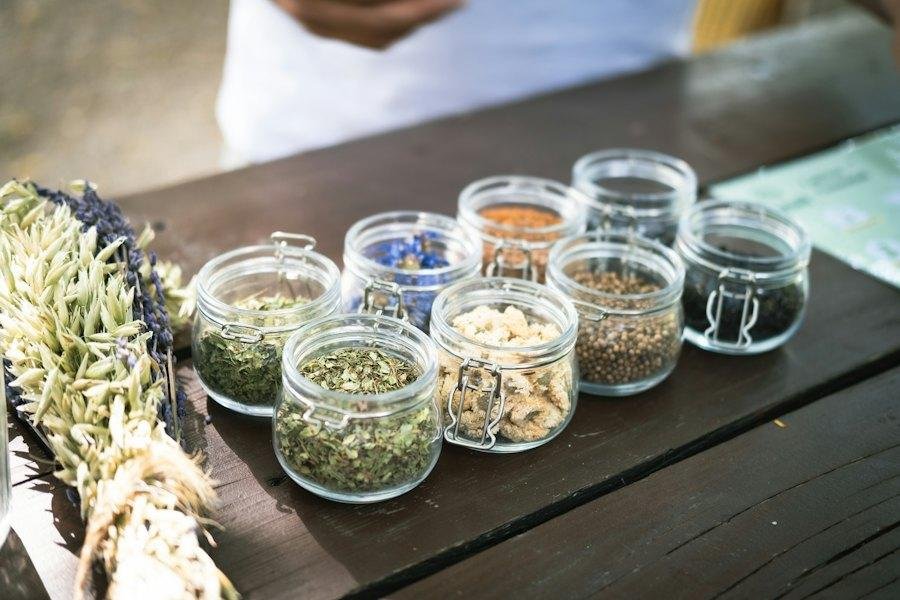
Saving and Storing Your Own Seed
Good saved seed saves money, but only if selected, dried and stored well. Hybrids are the exception: buy fresh seed.
Read more
Foliar Feeding: When Spraying Nutrients Helps
Leaf sprays are good for quick correction of micronutrient shortages and stress, but they do not replace soil fertilizer.
Read more