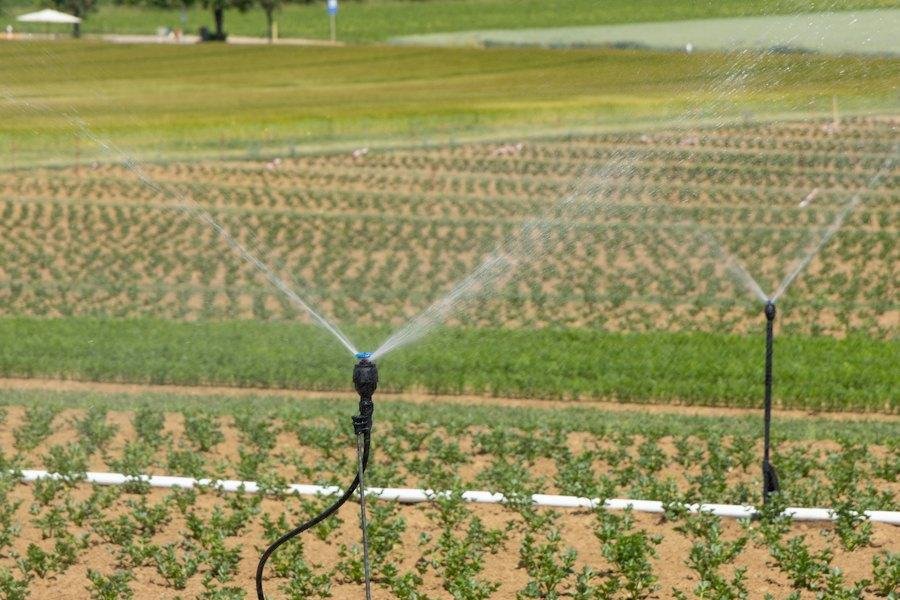
Drip irrigation delivers water straight to the root zone in small, regular amounts instead of flooding the whole field. This cuts evaporation and run-off and lets the same water cover more land.
The parts of a system
- A pump or other source of pressure.
- Filters that protect the system from dirt.
- A main line and lateral lines.
- Emitters that give each plant its share of water.
Why it saves water
Water reaches only the roots, so it is not lost between the rows or spent on weeds. It can also carry fertilizer (fertigation) so nutrients are given in measured amounts.
Running tips
- Clean the filters regularly to stop emitters clogging.
- Flush the lateral lines from time to time.
- Set run times to the crop's needs and the soil type.
- Check for leaks and damaged parts regularly.
We can help you choose the right system for your land and water source. Contact us to find out more.
Common mistakes
- Running the system without filters, or with dirty ones.
- Irrigating for too long or too short without considering the soil type.
- Ignoring water pressure, so the amount varies between the start and the end of a line.
- Leaving lines unflushed so deposits build up.
Check the pressure at the end of a line from time to time and watch the plants at the farthest point. If they are weaker than the rest, there is usually a pressure or clogging problem.
Have a question, or need agricultural advice?
Contact us