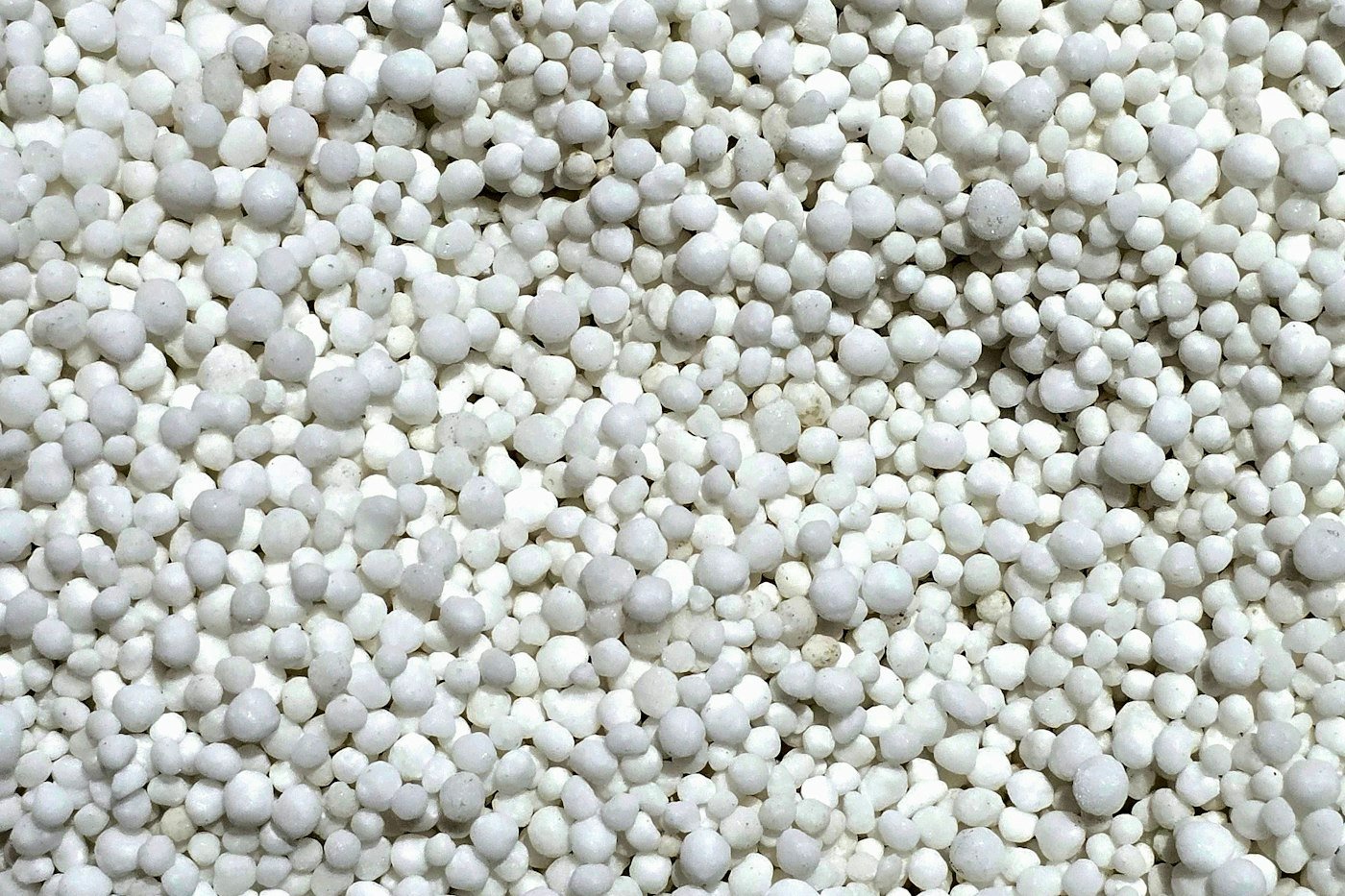
Many farmers ask which is better, organic or chemical fertilizer. Each has a role, and using both wisely gives the best result.
Organic fertilizer
- Improves soil structure and its ability to hold water.
- Feeds the soil life that makes nutrients available to plants.
- Releases nutrients slowly over the season.
Chemical fertilizer
- Supplies specific nutrients at a known strength, quickly.
- Corrects a clear shortage of one nutrient.
- Is easy to dose, but overuse harms soil and water and raises cost.
How to combine them
1. Start with a soil test to see what is really missing.
2. Add organic matter regularly as the base of fertility.
3. Use chemical fertilizer only to fill gaps, in split doses matched to growth stages.
The aim is healthy soil for the long term and a good crop at a reasonable cost.
Common mistakes
- Fertilizing without a soil test.
- Adding all the nitrogen at once, so much of it is lost.
- Spreading fertilizer unevenly.
- Neglecting organic matter and relying on chemicals alone.
It is better to split fertilizer across growth stages and apply it before irrigation or expected rain so it reaches the root zone, following the recommended dose for each crop.
Have a question, or need agricultural advice?
Contact us