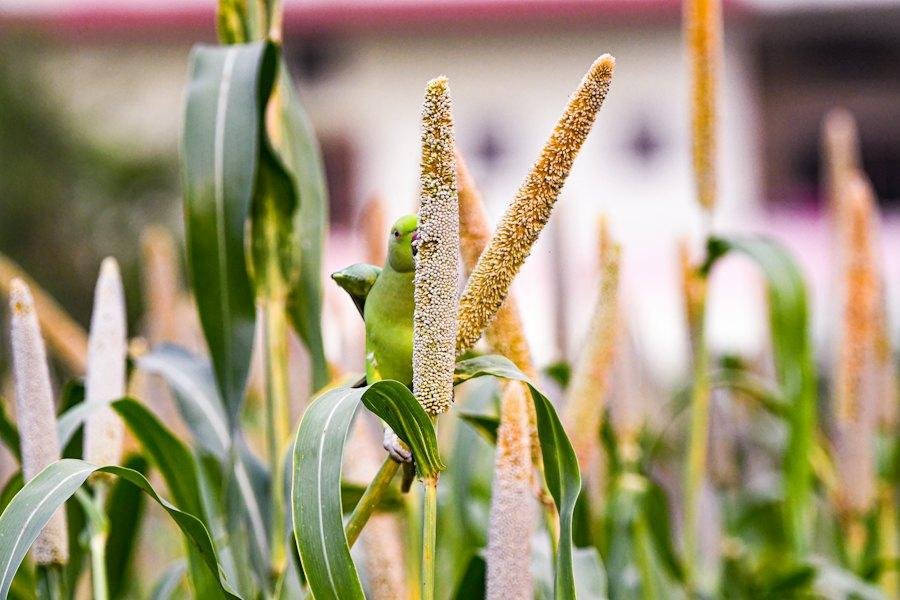
Pearl millet is one of the cereals best able to grow in high heat, poor sandy soil and low rainfall. Its growing cycle is relatively short, which suits farmers who depend on a limited rainy season.
Why millet?
- It tolerates drought and heat better than many cereals.
- It grows on soil that is unsuitable for other crops.
- The grain is a food rich in fibre and minerals, and the straw makes good fodder.
Growing tips
Choose a variety suited to your area and sow with the first good rains. Thin the seedlings so spacing stays right. Adding organic manure helps sandy soil hold water and nutrients.
Harvest and storage
Harvest when the heads are dry and the grain is hard, then thresh, clean and dry it well. Store in clean, breathable bags in a dry place to protect quality and cut losses.
Common mistakes
- Sowing late and missing the benefit of the first rains.
- Leaving seedlings crowded without thinning.
- Neglecting weeds early in the season.
- Storing the grain before cleaning and drying it.
Growing millet with legumes (intercropping) makes better use of the land and reduces seasonal risk. Try it on a small plot first and extend it if it works.
Have a question, or need agricultural advice?
Contact us