
Articles
Practical guides on crops, soil, water, fertilizer and storage for farms in hot climates.
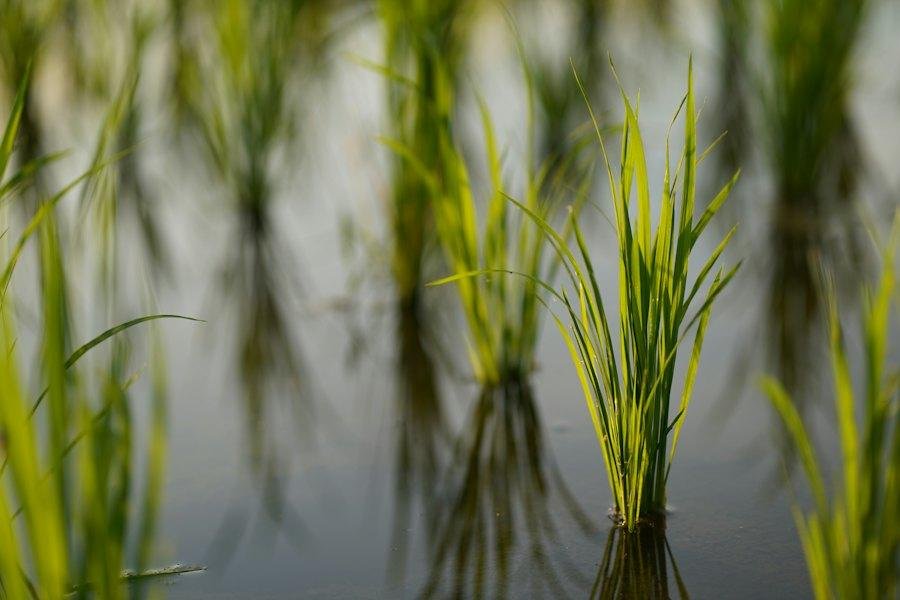
Rice Water Management: Flooding Without Waste
Rice does not need constant deep flooding. Controlled water saves pumping, cuts methane and often keeps yield.
Read more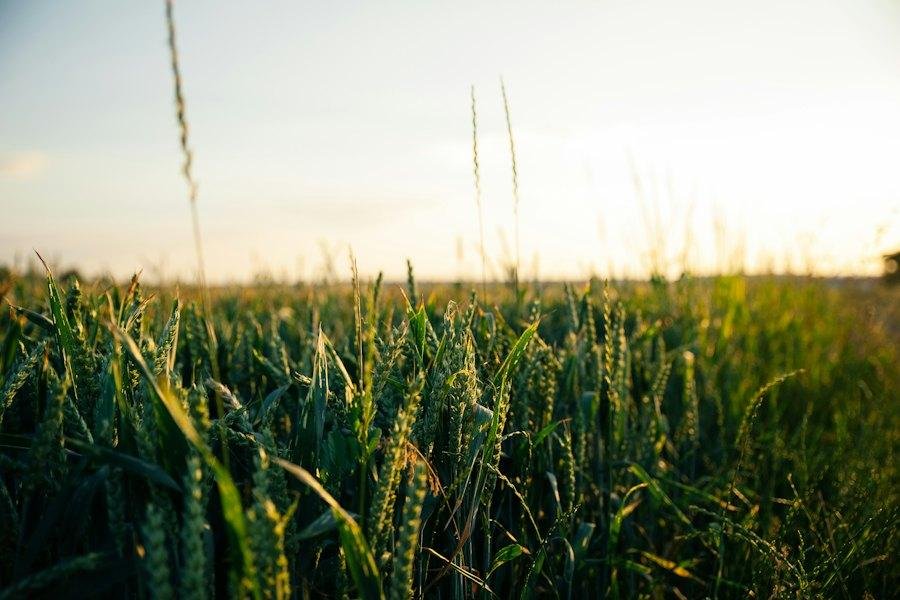
Cover Crops: Protect and Feed the Soil Between Seasons
A crop grown to cover the soil, not to sell, cuts erosion and weeds and builds organic matter.
Read more
Jute Bag Sizes and Safe Stacking Heights
Choose bag size by crop and handling, and stack to a safe height in a stable pattern to protect both grain and workers.
Read more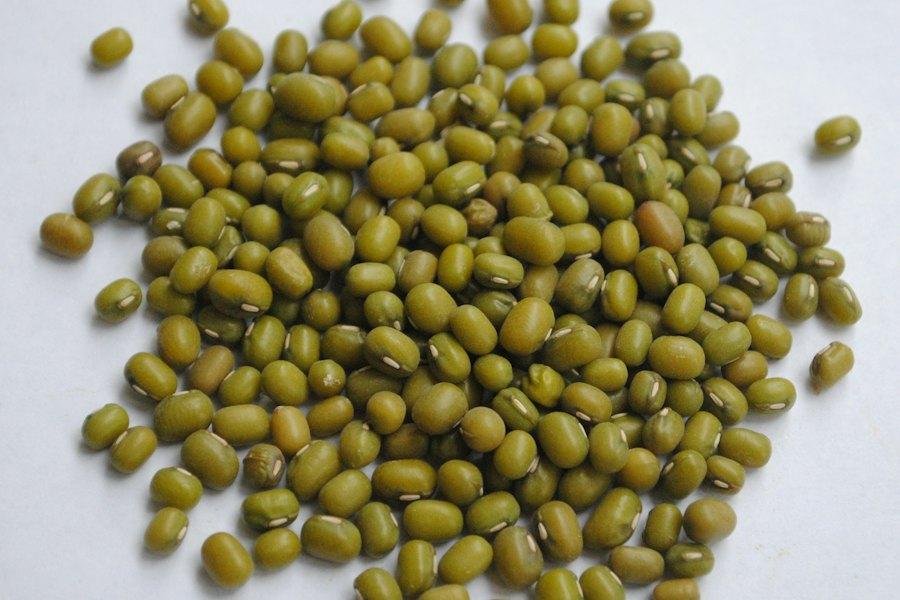
Mung Bean: A Short-Season Crop That Fits Gaps
Mung bean matures in about 60–75 days, so it fits between main crops, adds nitrogen and brings quick cash.
Read more
Saving and Storing Your Own Seed
Good saved seed saves money, but only if selected, dried and stored well. Hybrids are the exception: buy fresh seed.
Read more
Foliar Feeding: When Spraying Nutrients Helps
Leaf sprays are good for quick correction of micronutrient shortages and stress, but they do not replace soil fertilizer.
Read more
Potato: Seed Quality and Storage Without Sprouting
Certified seed tubers, hilling and cool, dark storage are the three habits that separate good potato growers from average ones.
Read more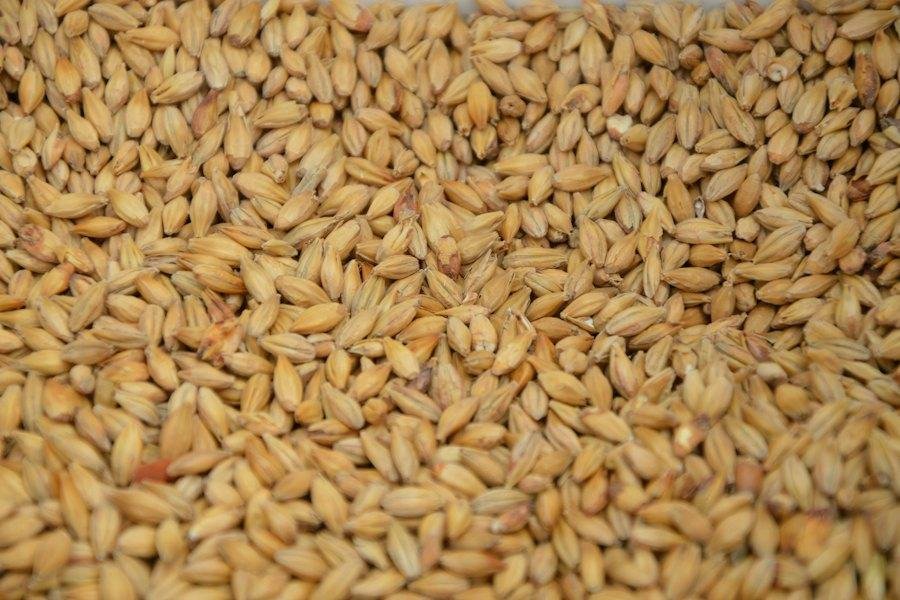
Sampling a Lot: How Buyers Judge Your Grain
A fair sample represents the whole lot. Take it correctly and you can predict the buyer's test and avoid disputes.
Read more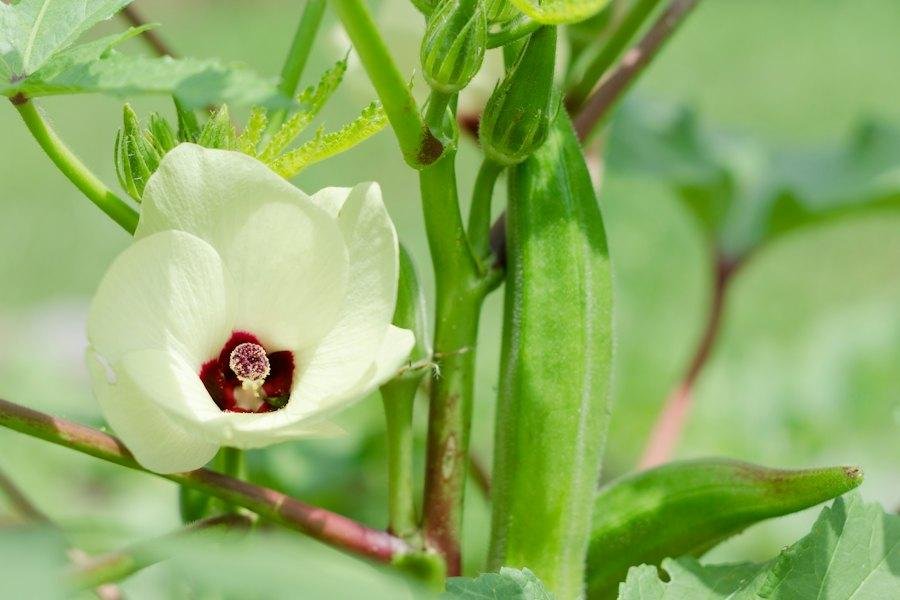
Okra: A Hot-Season Vegetable That Pays
Okra loves heat and picks over many weeks. Frequent harvesting, steady water and mite control keep it productive.
Read more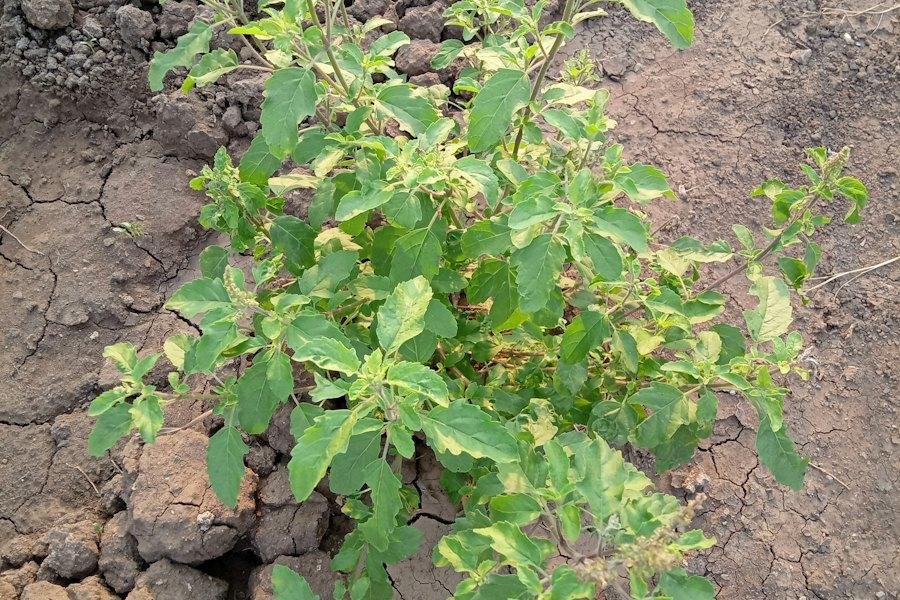
Chickpea and Lentil: Low-Input Pulses That Feed the Soil
Pulses fix their own nitrogen and fit dry seasons. Good seed, no waterlogging and early weed control make them pay.
Read more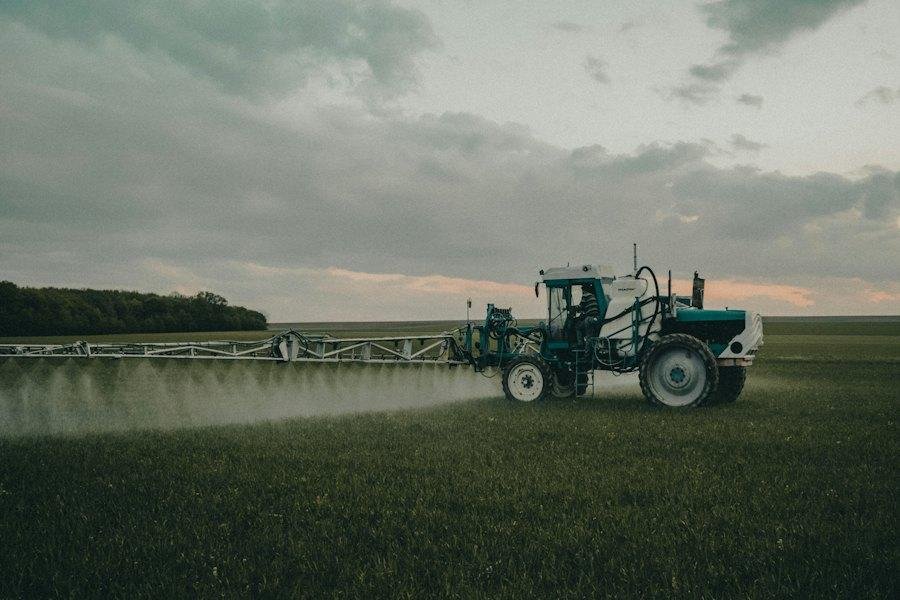
Sprayer Calibration: Apply the Right Dose
An uncalibrated sprayer over- or under-doses the field. A 15-minute calibration saves product and protects the crop.
Read more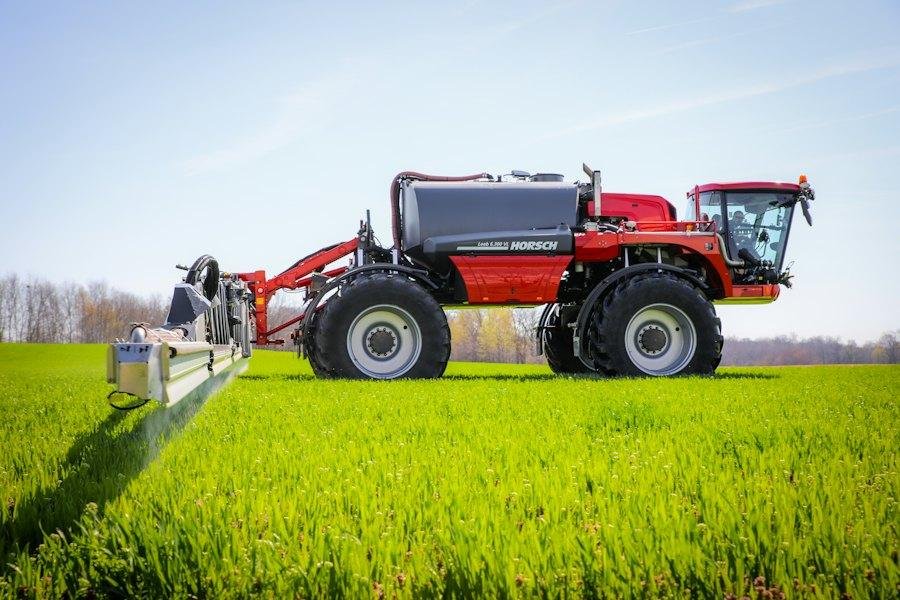
Herbicide Safety and Avoiding Resistance
Read the label, protect yourself, and rotate modes of action. Repeating the same product breeds resistant weeds.
Read more