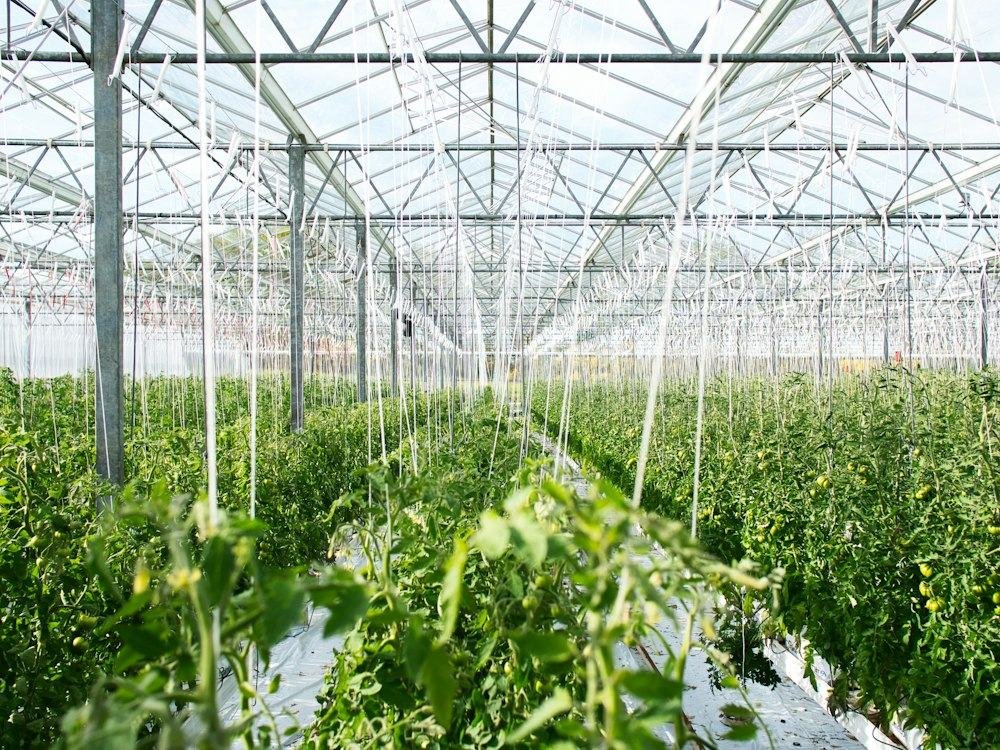
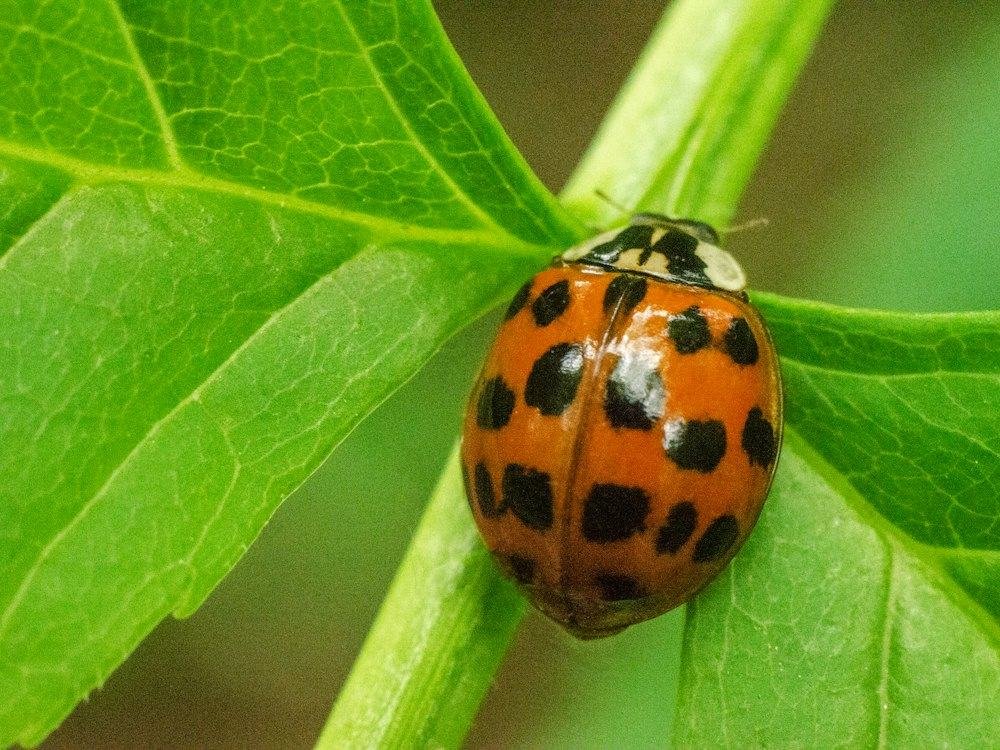
Integrated pest management (IPM) uses several methods together instead of relying on pesticides alone. It protects the crop while lowering cost and harm to the environment.
The basic steps
1. Prevention: good varieties, crop rotation, a clean field and sowing on time.
2. Scouting: inspect the field regularly to find pests early and see how many there are.
3. Action threshold: treat only when the pest reaches a level that causes real economic loss.
4. Non-chemical methods: traps, biological control with natural enemies, and hand removal.
5. Pesticides when needed: choose a suitable product and follow the dose and safety instructions.
Important tips
- Rotate pesticides with different modes of action to delay resistance.
- Protect beneficial insects such as bees and natural enemies.
- Record what you found and what you treated, so you learn for next season.
We offer eco-friendly pest management solutions. Contact us for advice.
How to start in practice
1. Set a fixed day each week to walk the field.
2. Check samples from different places, not just the edge of the field.
3. Write down what you find, photograph unfamiliar problems and ask a specialist.
4. Decide on action from the pest numbers, not just from seeing one.
When you do use a pesticide, follow the label, wear protective equipment, keep it away from water sources and respect the waiting period before harvest.
Have a question, or need agricultural advice?
Contact us