
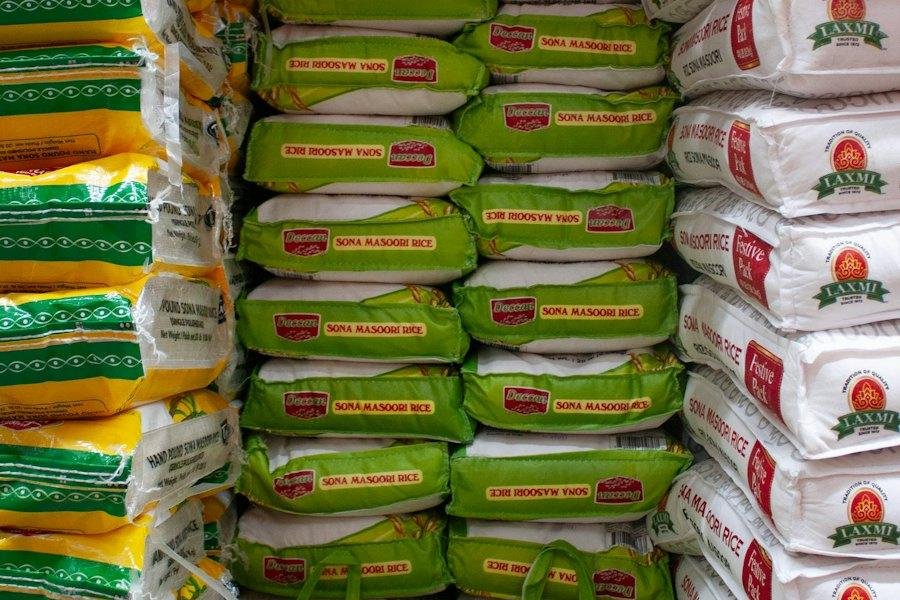
How to Read a Fertilizer Label Before You Buy
The label tells you nutrients, form and solubility. Check them against your crop and method to avoid paying for what you cannot use.
Read more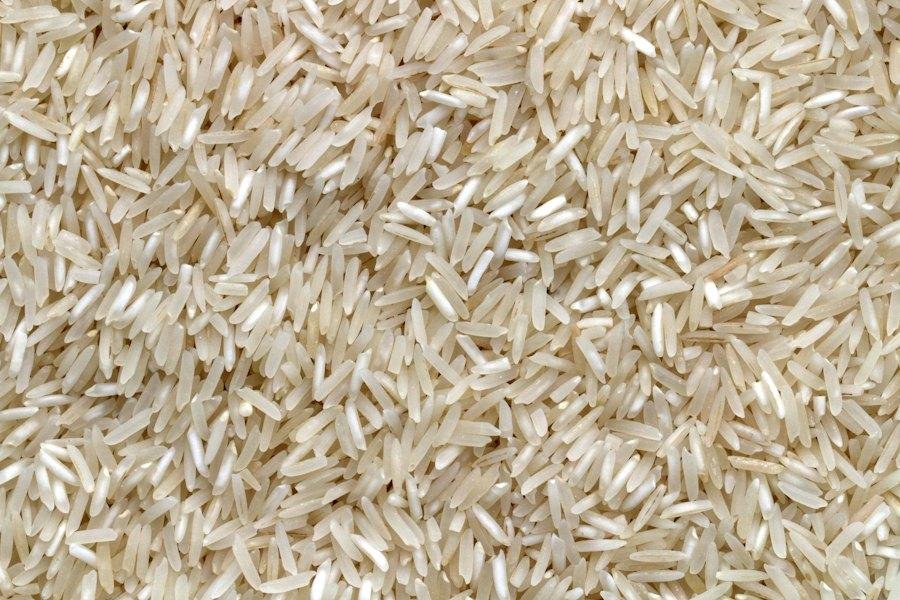
Stored-Grain Insects: Weevils, Borers and Beetles
Insects start small and double every few weeks in warm stores. Clean stores, dry grain and regular checks keep them out.
Read more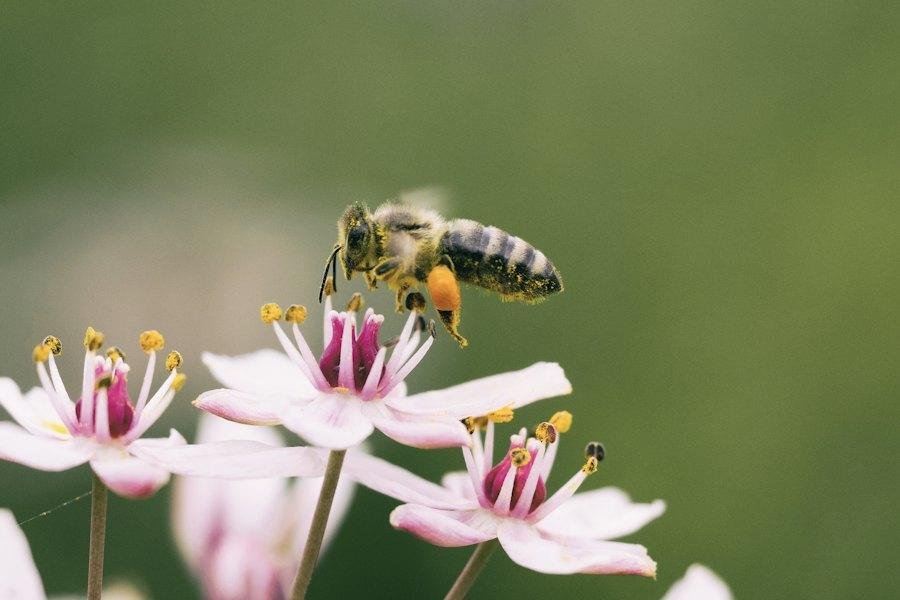
Beneficial Insects and Pollinators: Protect Your Free Workers
Bees pollinate and ladybirds eat aphids. Spray carefully, grow flowering margins and you get more yield for less cost.
Read more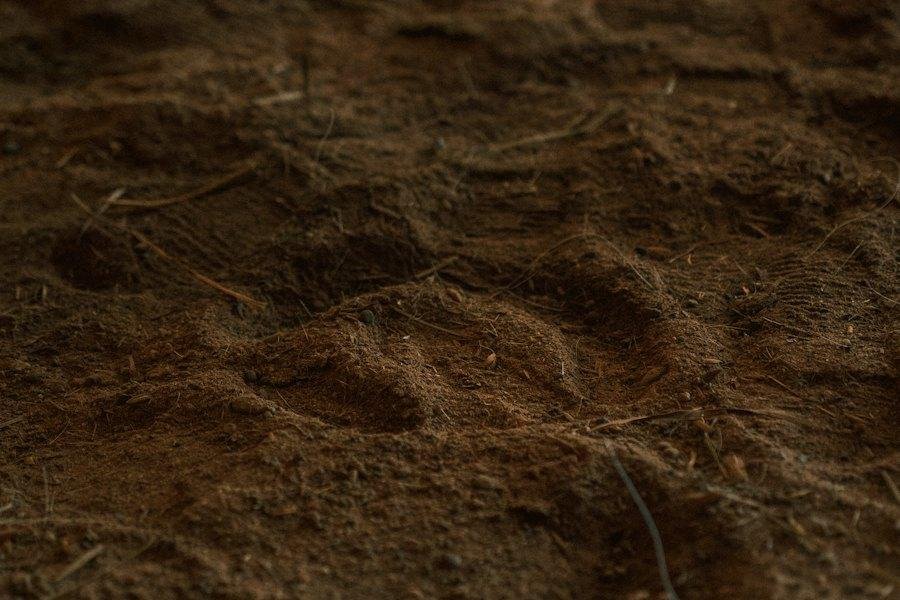
Sandy Soil: Make It Hold Water and Food
Sandy soil drains fast and loses nutrients. Organic matter, small frequent doses and drip irrigation make it productive.
Read more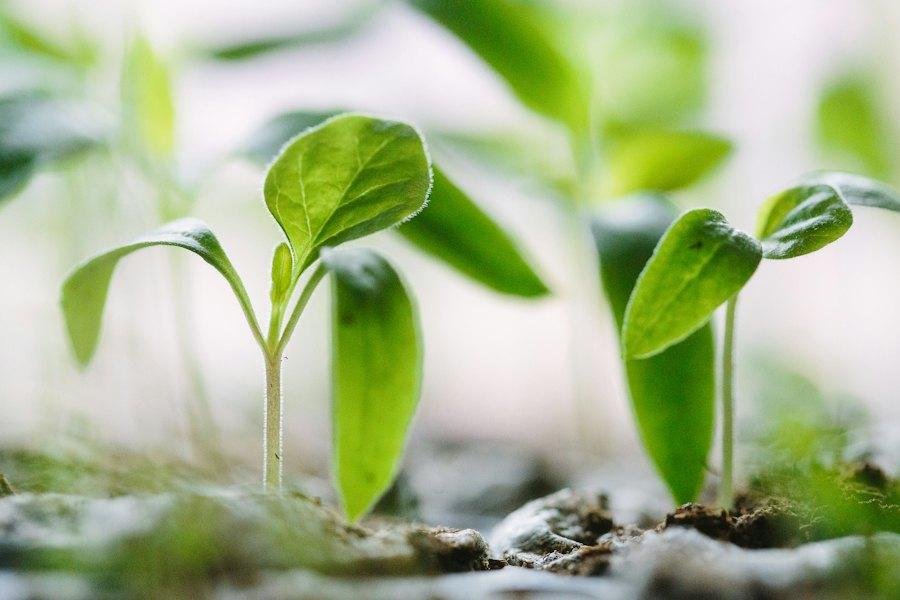
Grafting Vegetables Onto Resistant Rootstock
Grafting tomato, eggplant or cucumber onto strong rootstock protects against soil diseases and nematodes and can raise yield.
Read more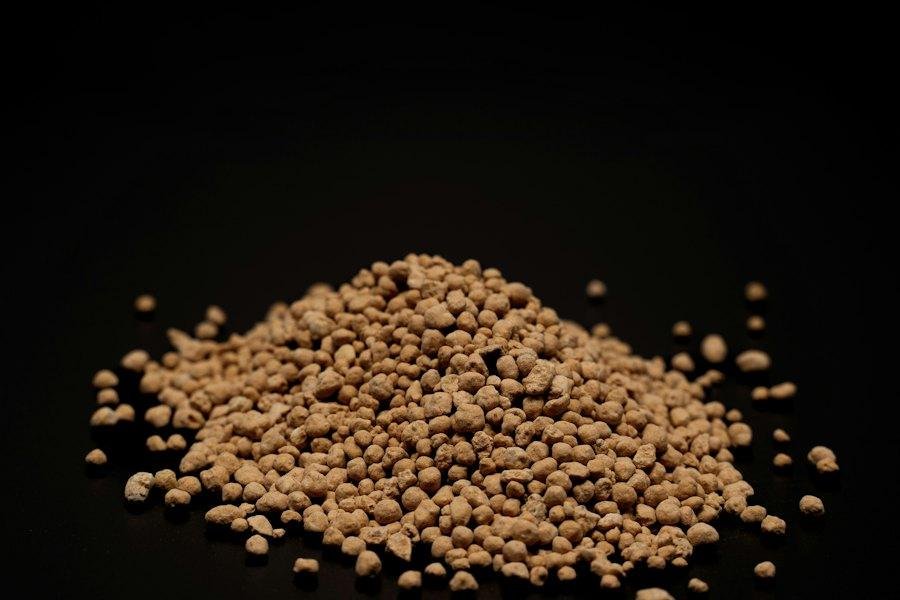
NPK on the Bag: What the Three Numbers Mean
The three numbers are the percentage of nitrogen, phosphate and potash. Knowing them lets you compare price per nutrient.
Read more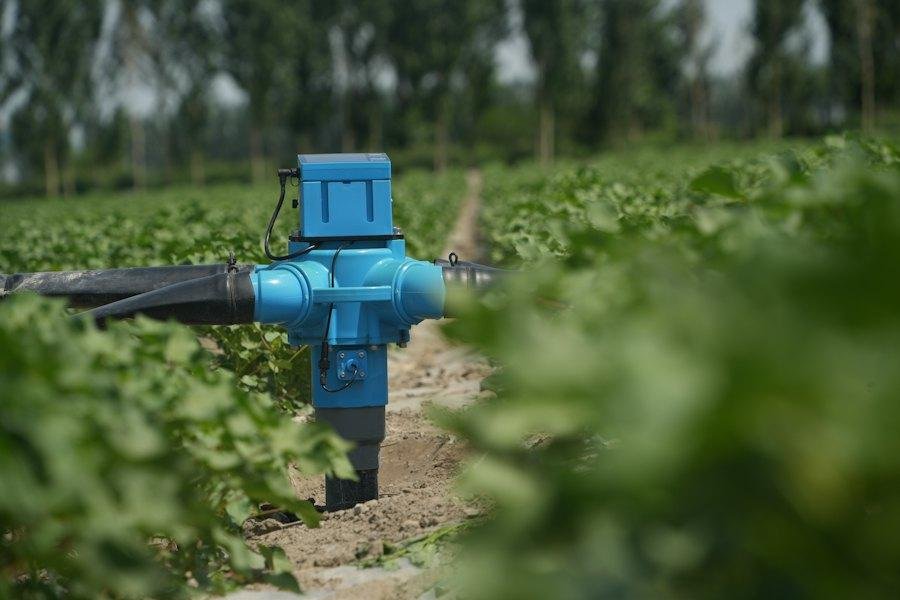
Drip System Maintenance: Preventing Clogging
Most drip failures are clogged emitters. Filtration, flushing and occasional acid or chlorine treatment keep systems running.
Read more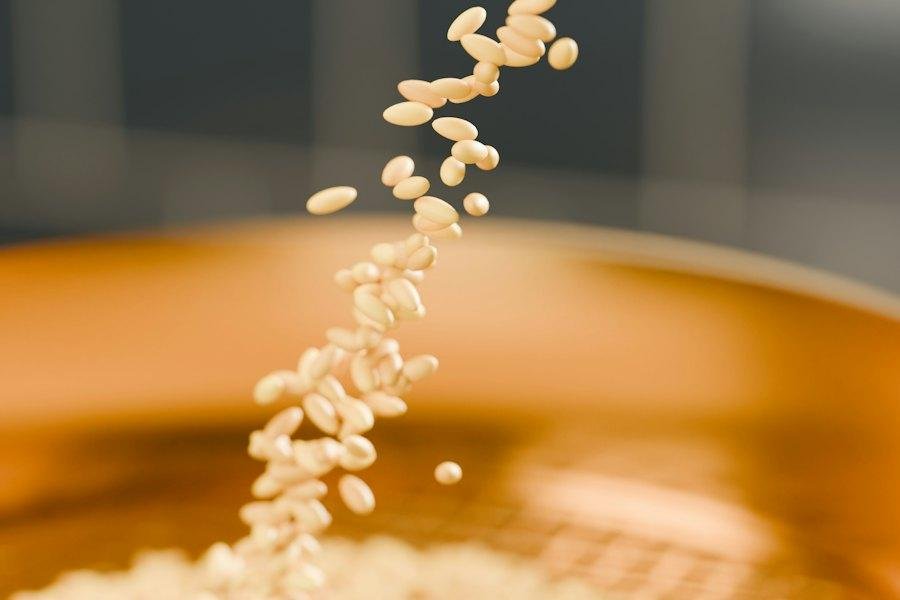
Cleaning and Grading Grain Before You Sell
Removing dust, stones and broken kernels raises the grade and the price. Simple cleaning steps pay for themselves.
Read more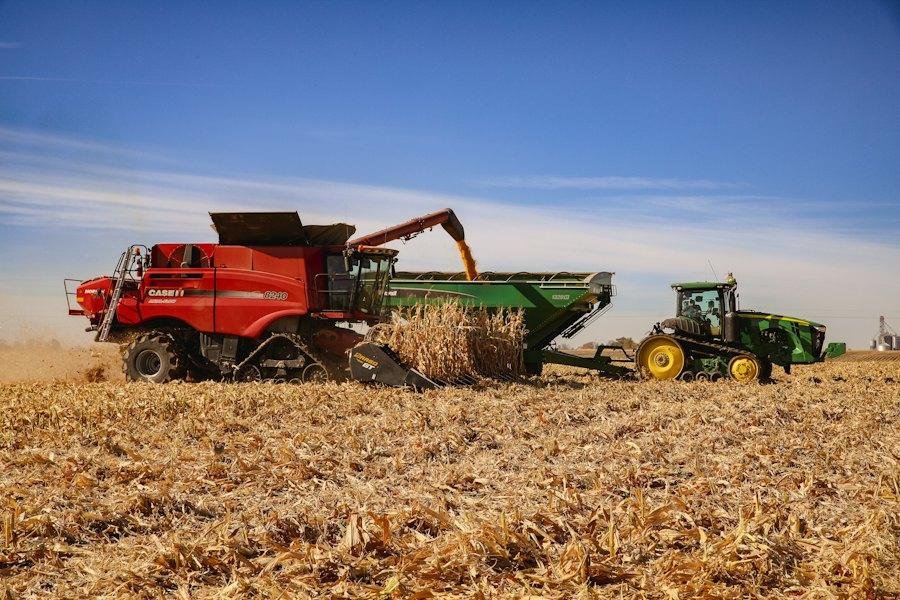
Cutting Losses in Transport and Handling
Bags split, grain spills and loads get wet between farm and market. Better loading and handling save real money.
Read more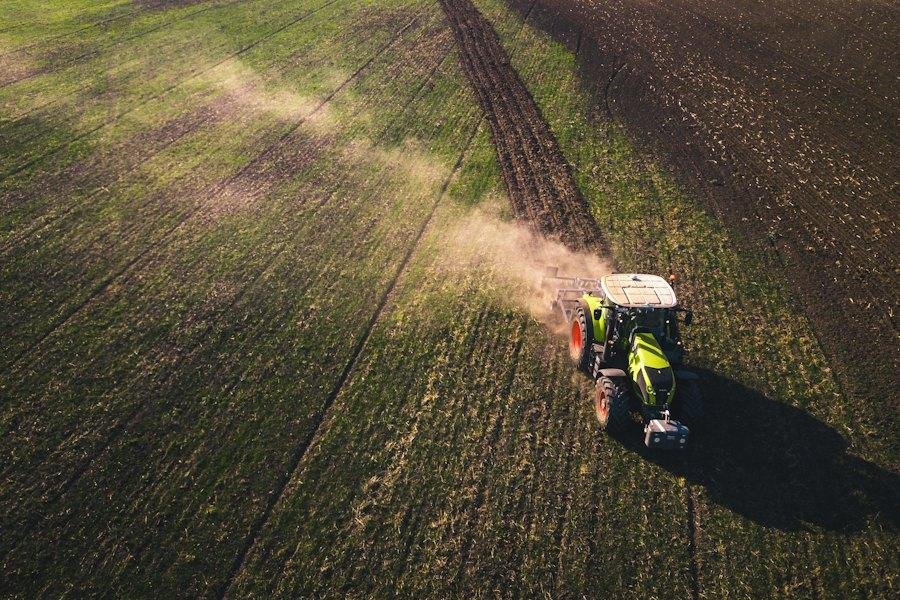
Choosing a Tractor: Horsepower, Drive and Service Support
The right tractor matches your implements, soil and acreage, and the dealer's service. Bigger is not always better.
Read more