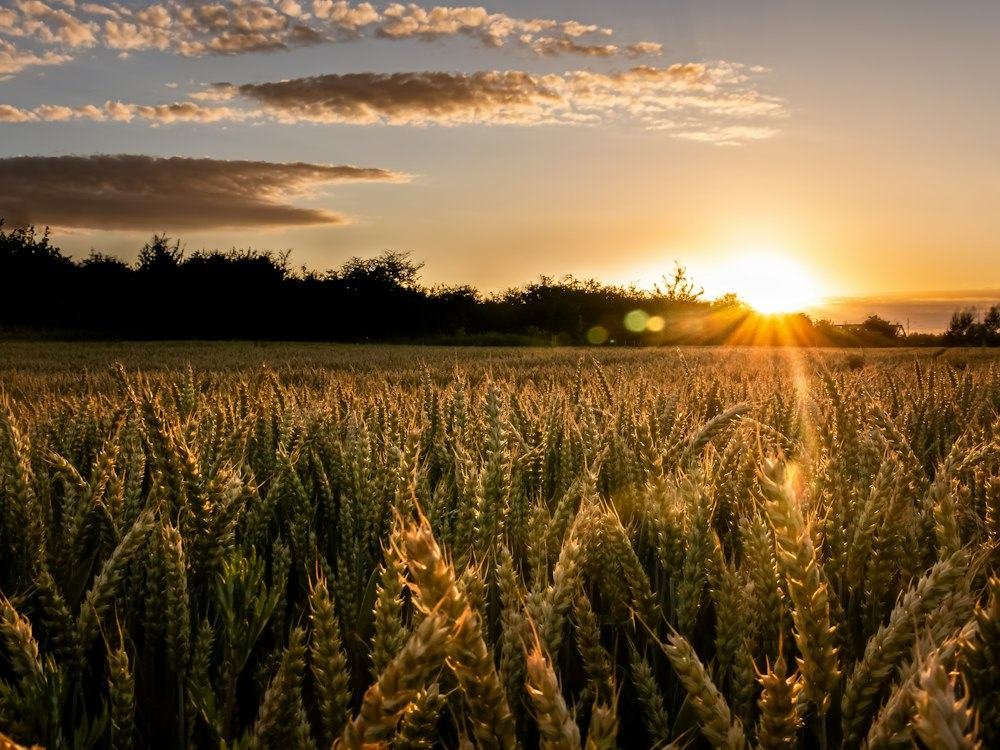
Sorghum is one of the most drought- and heat-tolerant cereals, so it is grown widely in semi-arid regions. The grain is used for food and animal feed, and the stalks for green fodder.
At planting
- Choose varieties that fit the length of your rainy season.
- Prepare the soil well and plant on time, at the start of the rains.
- Keep proper spacing to reduce competition for water.
- Control weeds early, because young seedlings compete poorly.
At maturity
Birds damage the heads as they ripen, so watch the field and prepare to harvest early. Harvest when the grain is hard and the heads are dry, then dry the grain well (about 12-13% moisture) before storing it.
Storage
Keep dry grain in strong, breathable bags on pallets, away from damp, and inspect it regularly for weevils and other insects.
Common mistakes
- Sowing too densely, so plants compete for scarce water.
- Ignoring the birds until it is too late.
- Delaying weeding in the first weeks.
- Storing grain before it is dry enough, so it goes mouldy and gets weevils.
Sorghum can be grown with a legume in the same field to make better use of the land and improve fertility, as long as you leave enough space between the two crops.
Have a question, or need agricultural advice?
Contact us