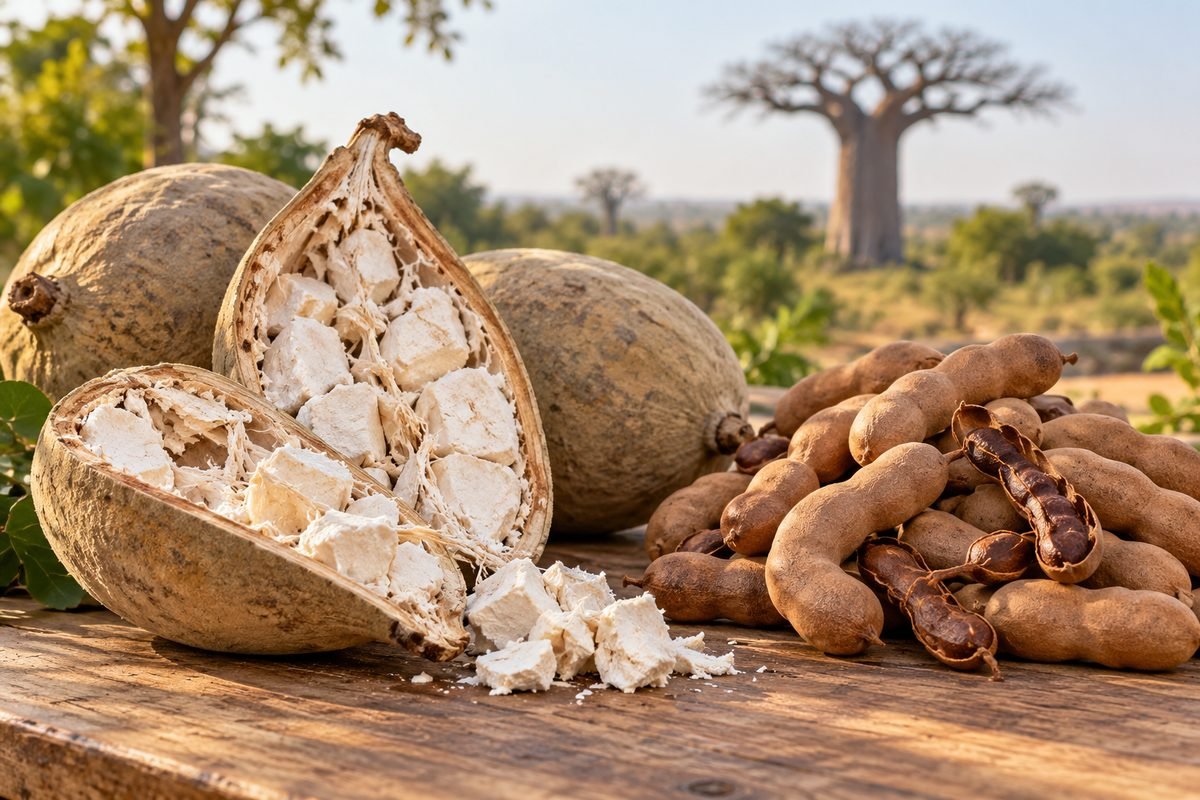
Baobab and tamarind are trees people have gathered from for generations. Their pods dry naturally on the tree, which makes them well suited to small-scale collection and sale.
Harvest
Collect pods that have dried and hardened on the tree or fallen cleanly. Baobab pods have a hard shell around a dry, powdery white pulp. Tamarind pods hold a sticky brown pulp around hard seeds. Discard anything mouldy or damp.
Drying and cleaning
Crack baobab pods and separate the pulp from the seeds and fibre. Remove tamarind shells and veins. Dry both in thin layers in the shade or low sun until they are no longer sticky or damp.
Storage and sale
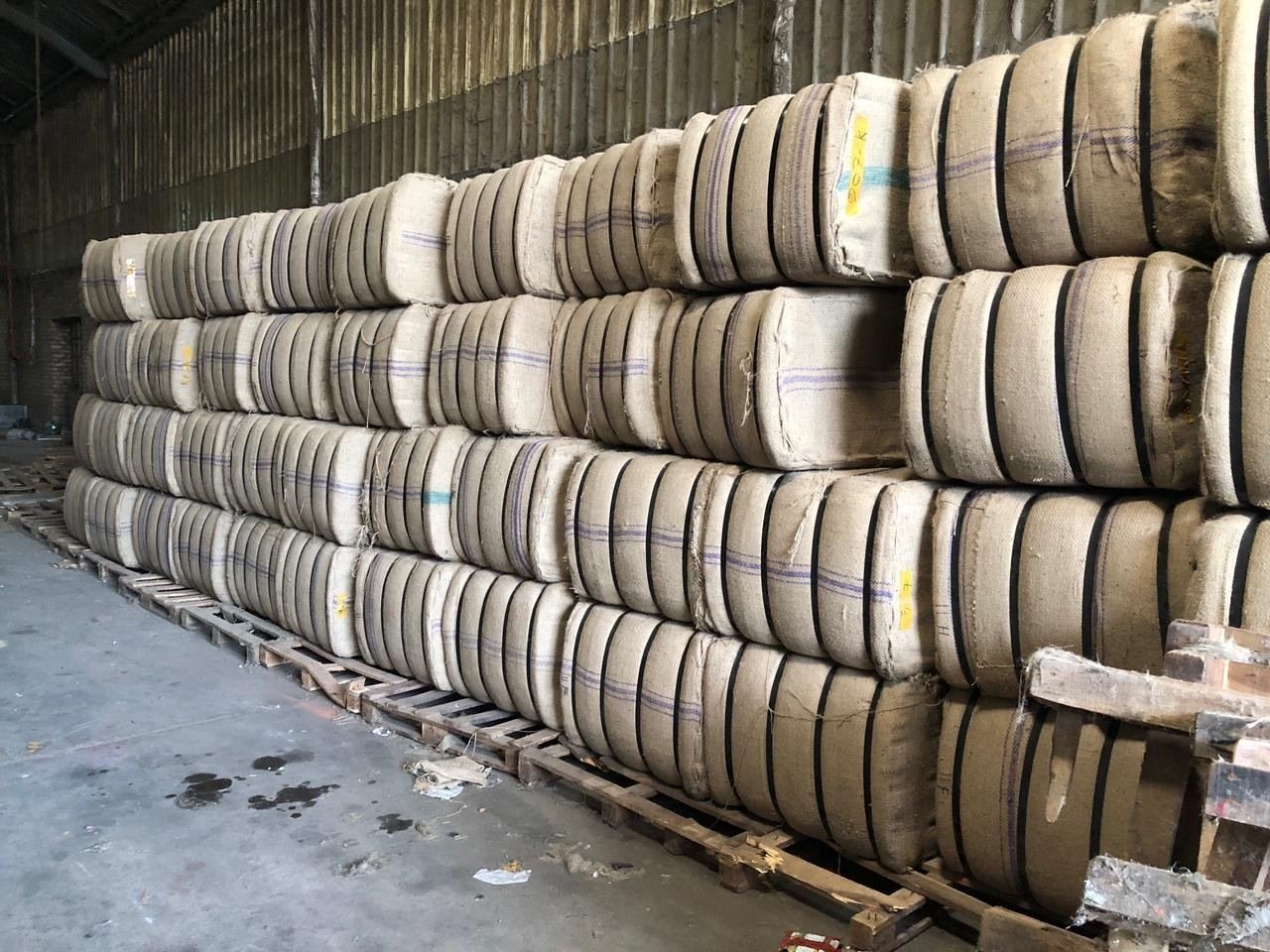
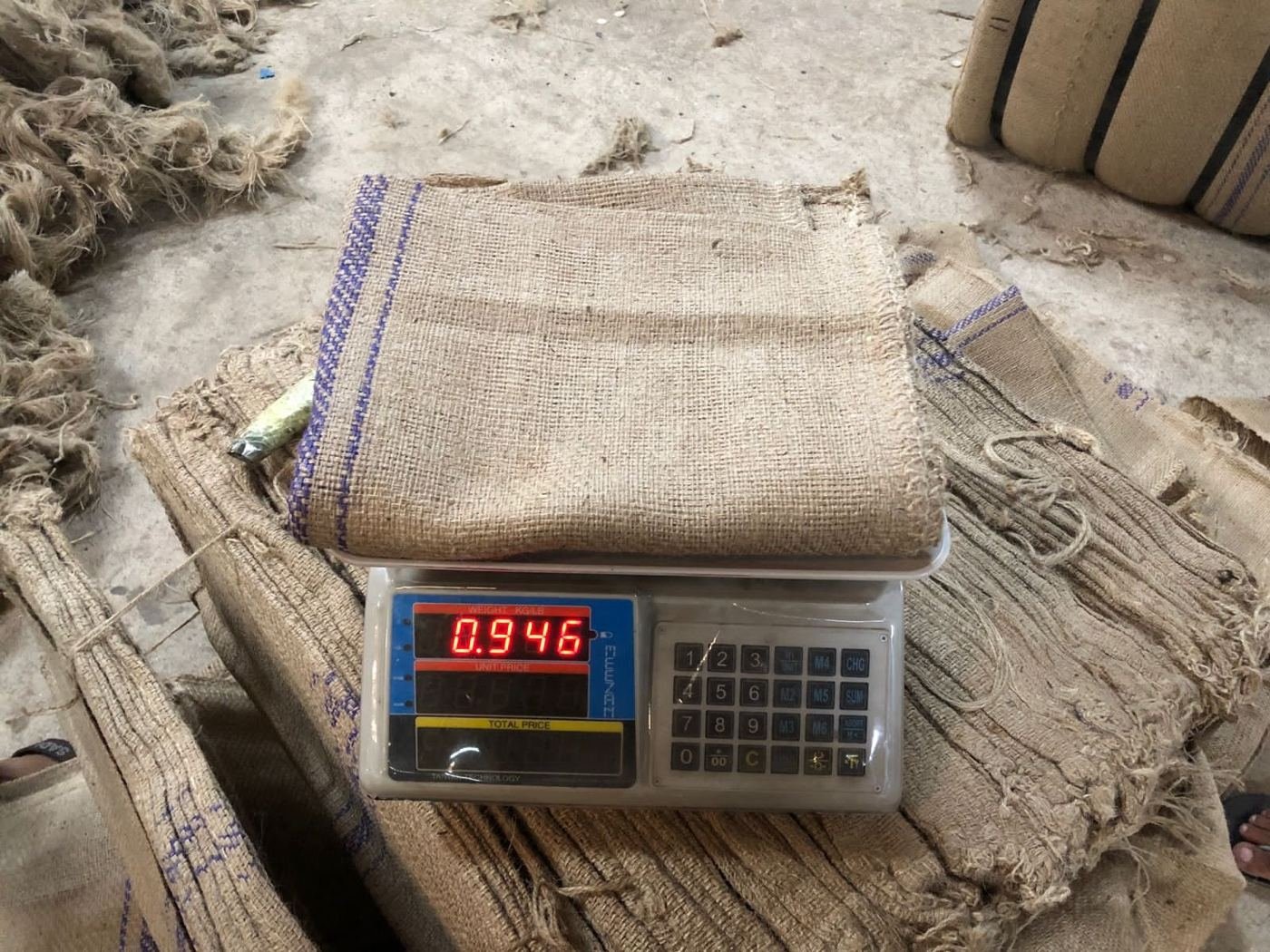
Moisture is the enemy. Pack the dried pulp in clean, dry bags, store it off the floor and away from damp walls, and keep it away from fertilizer or fuel. Breathable jute sacks with a clean liner protect product from moisture and handling while still letting the stack breathe.
Have a question, or need agricultural advice?
Contact us