
Articles
Practical guides on crops, soil, water, fertilizer and storage for farms in hot climates.

Phosphorus: Keep It Where Roots Can Reach It
Phosphorus barely moves in soil. Place it near the seed or in the root zone, and keep pH in range so it stays available.
Read more
Safe Spraying: PPE, Mixing and Re-Entry Rules
Protect yourself and your workers: wear the right gear, mix and apply correctly, and respect waiting periods before harvest and re-entry.
Read more
Greenhouse Ventilation and Shading in Hot Climates
Overheating kills greenhouse yield. Roof vents, side openings, shade nets and good airflow keep crops productive.
Read more
Farm Safety Basics for Workers and Families
Machinery, chemicals, heat and animals cause most farm injuries. A few firm habits prevent most of them.
Read more
Caring for and Reusing Jute Bags
With dry storage and gentle handling, jute bags last many cycles. Clean, inspect and repair them to save cost and waste.
Read more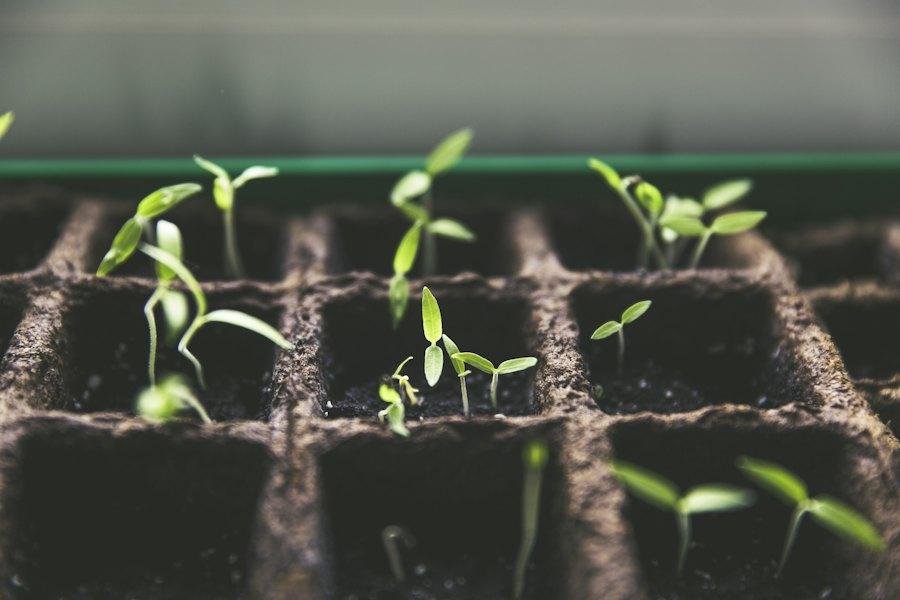
Nursery Quality: Why Strong Seedlings Matter
A good nursery gives sturdy, disease-free seedlings that establish fast. It is the cheapest yield insurance.
Read more
Root-Knot Nematodes: The Hidden Soil Pest
Galls on roots and patchy stunting point to nematodes. Rotation, resistant varieties and organic matter reduce them.
Read more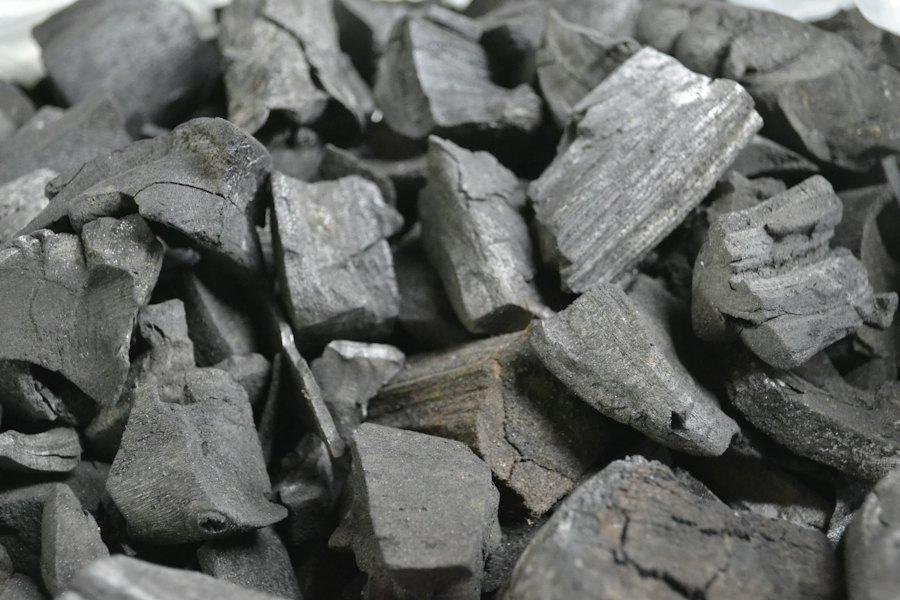
Biochar: What It Can and Cannot Do
Biochar can help sandy, acid or degraded soils hold water and nutrients, but it is not a fertilizer and needs to be charged first.
Read more
Soil pH: Why Nutrients Go Missing Even When You Fertilize
A wrong pH locks nutrients in the soil. Test it first, and correct it before spending more on fertilizer.
Read more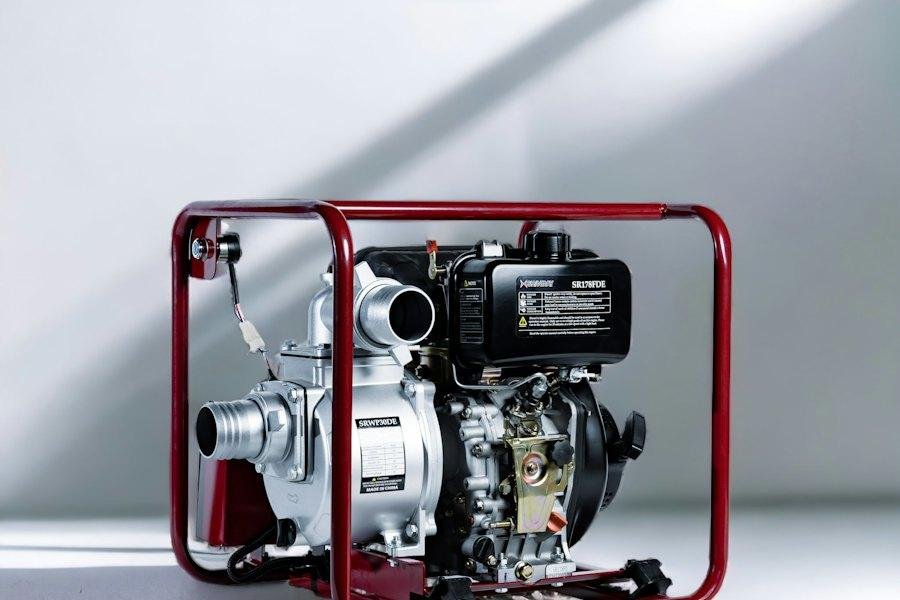
Diesel vs Solar Pumps: A Fair Comparison
Solar pumps cost more upfront but almost nothing to run. Compare total cost over 5–10 years, not just purchase price.
Read more
Rainwater Harvesting and Farm Ponds
Capturing runoff in a lined pond or tank gives supplemental irrigation in dry spells and cuts pumping from wells.
Read more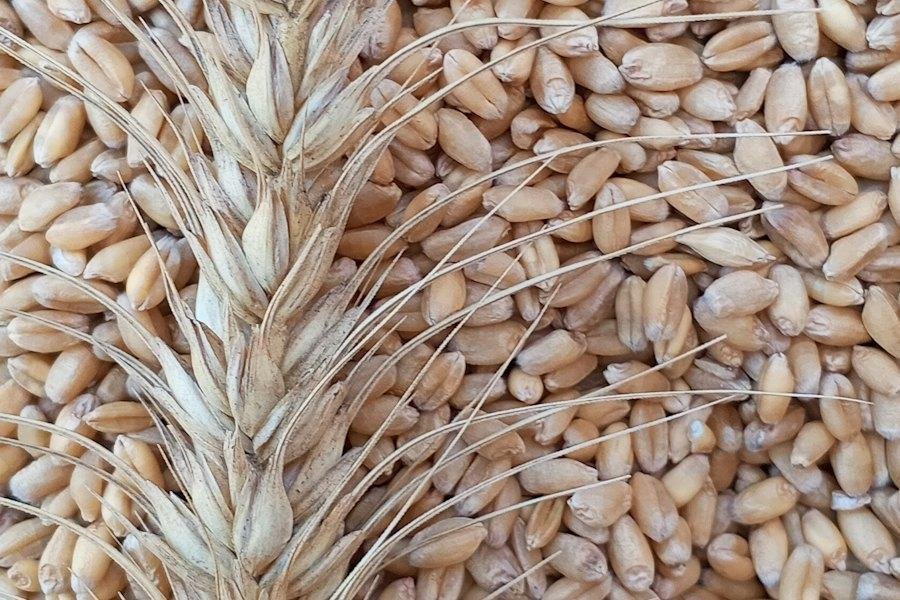
Grain Moisture: The Number That Decides Storage Life
Grain stored too wet heats, moulds and gets eaten. Dry to the safe moisture for the crop and check it before you bag.
Read more