
Articles
Practical guides on crops, soil, water, fertilizer and storage for farms in hot climates.

A Simple Way to Schedule Irrigation
Water when the crop needs it, not by habit. Track weather and root-zone depth to decide how much and how often.
Read more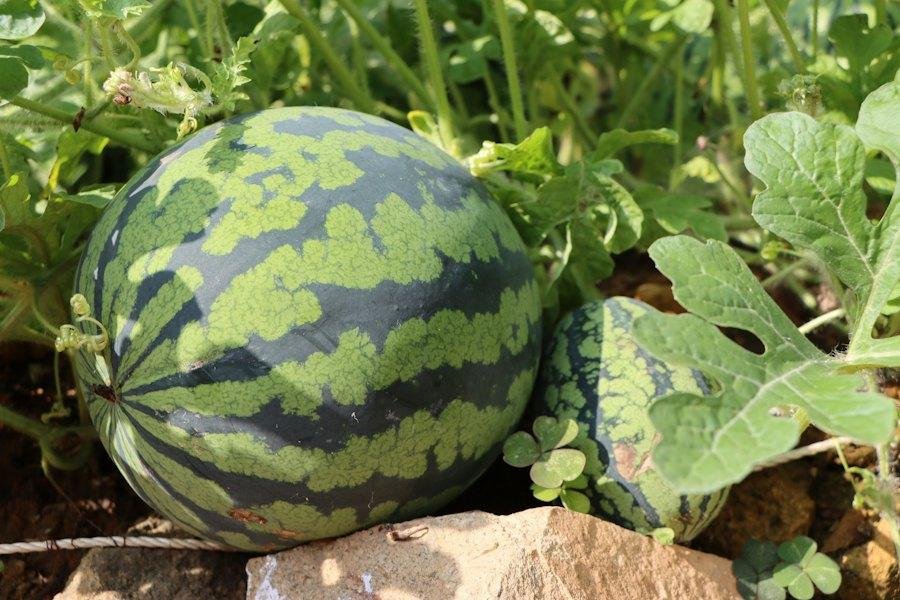
Watermelon and Melon: Where Sweetness Comes From
Sweetness is made in the last weeks: healthy leaves, potassium, and less water before harvest give a better fruit.
Read more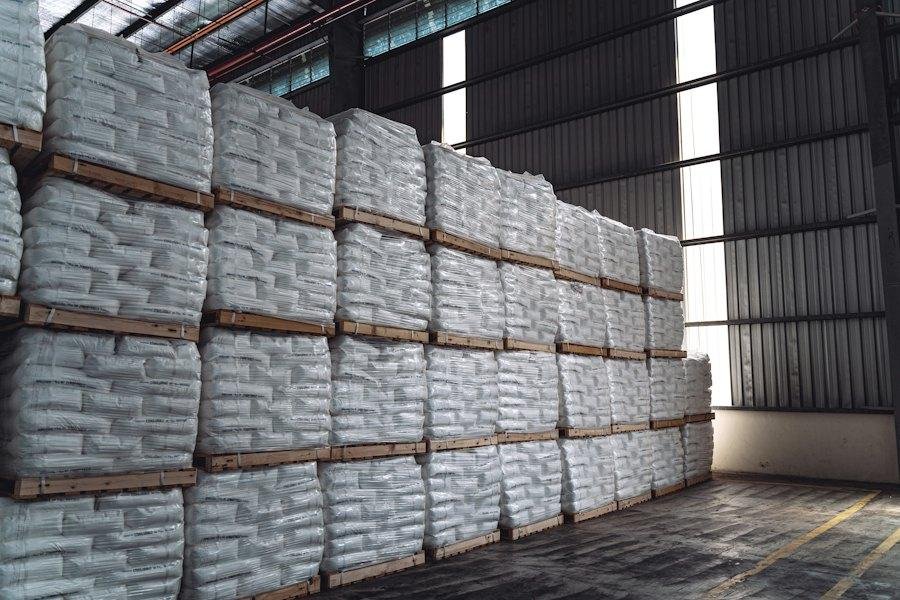
Warehouse Layout and Hygiene for Bagged Grain
A good layout cuts losses: pallets, aisles, ventilation and a first-in first-out system keep grain sound and easy to inspect.
Read more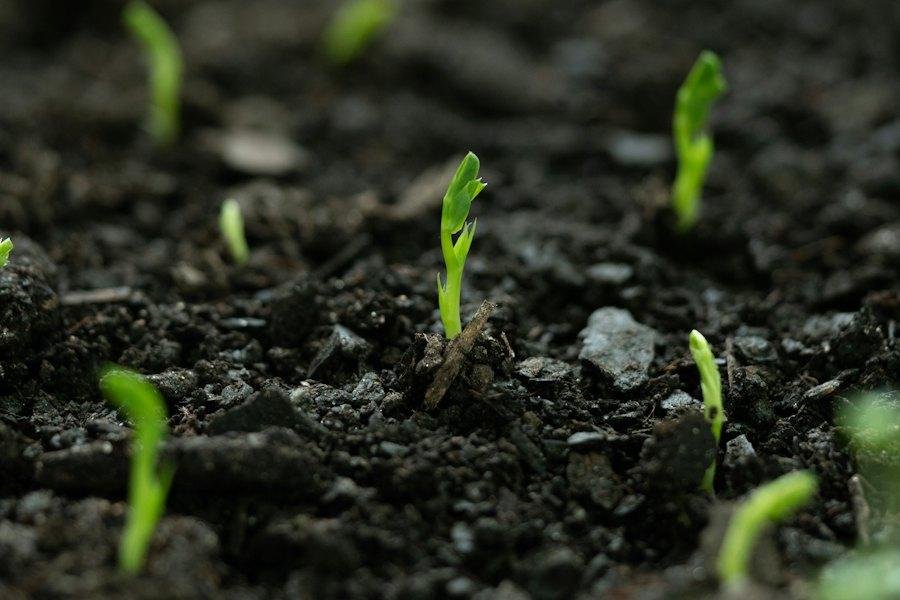
Wheat: Sowing Date and Seed Rate That Pay
Late sowing and heat at grain filling are wheat's main yield thieves. Plan the sowing date backwards from the heat.
Read more
Plant Viruses in Vegetables: Control the Vector
Viruses cannot be sprayed away. Control the insects that carry them, use clean seedlings and remove infected plants early.
Read more
Rent or Buy Farm Machinery? A Simple Test
Compare yearly hours of use with purchase and running cost. Machines used little are cheaper to hire.
Read more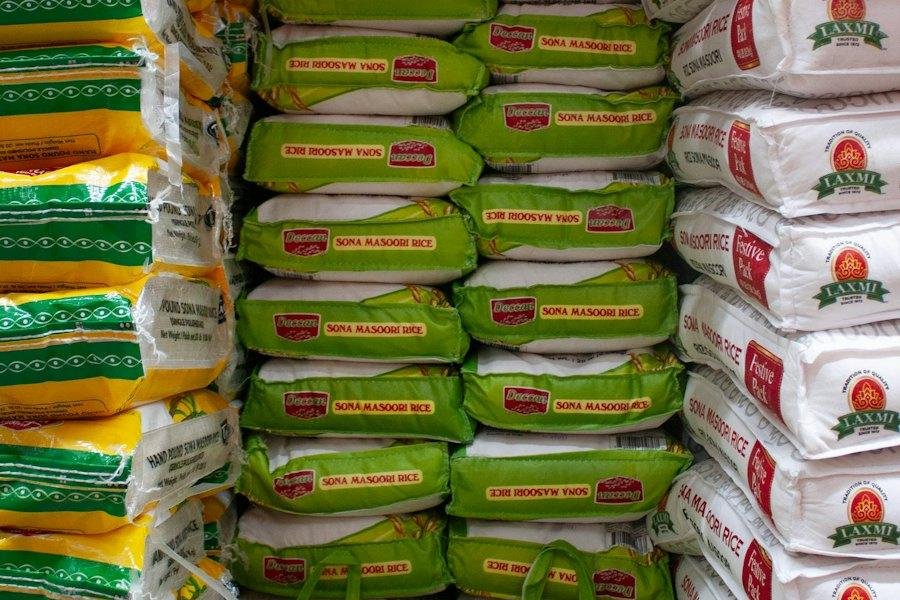
How to Read a Fertilizer Label Before You Buy
The label tells you nutrients, form and solubility. Check them against your crop and method to avoid paying for what you cannot use.
Read more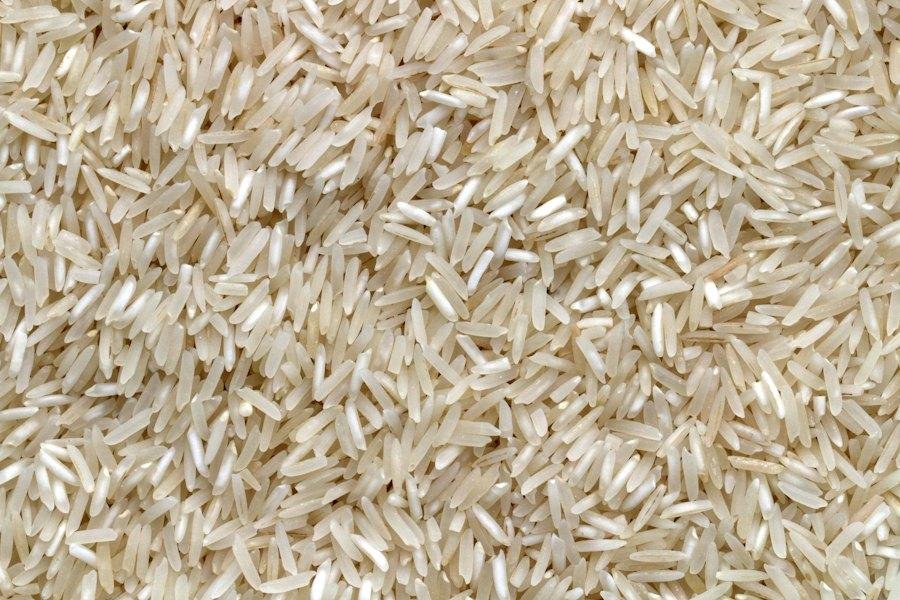
Stored-Grain Insects: Weevils, Borers and Beetles
Insects start small and double every few weeks in warm stores. Clean stores, dry grain and regular checks keep them out.
Read more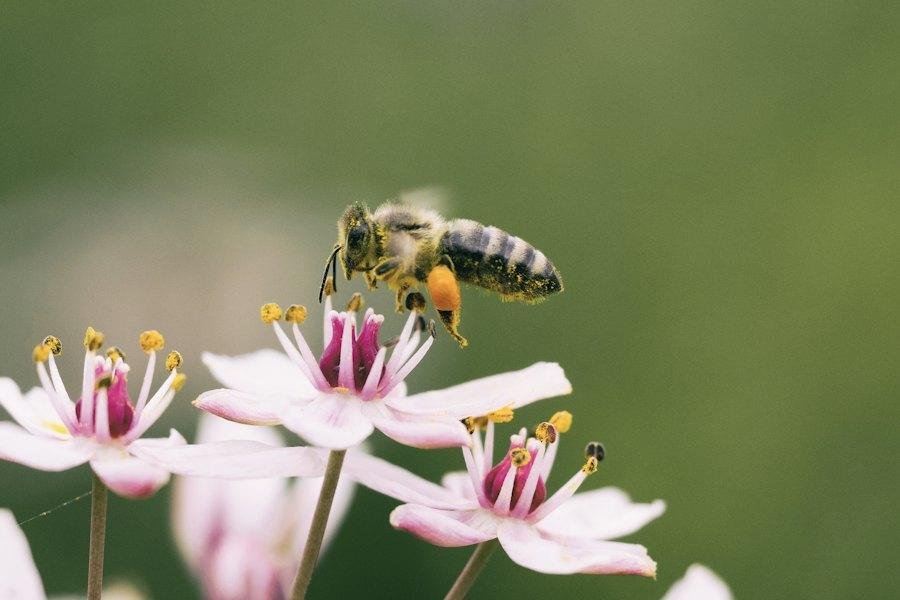
Beneficial Insects and Pollinators: Protect Your Free Workers
Bees pollinate and ladybirds eat aphids. Spray carefully, grow flowering margins and you get more yield for less cost.
Read more
Sandy Soil: Make It Hold Water and Food
Sandy soil drains fast and loses nutrients. Organic matter, small frequent doses and drip irrigation make it productive.
Read more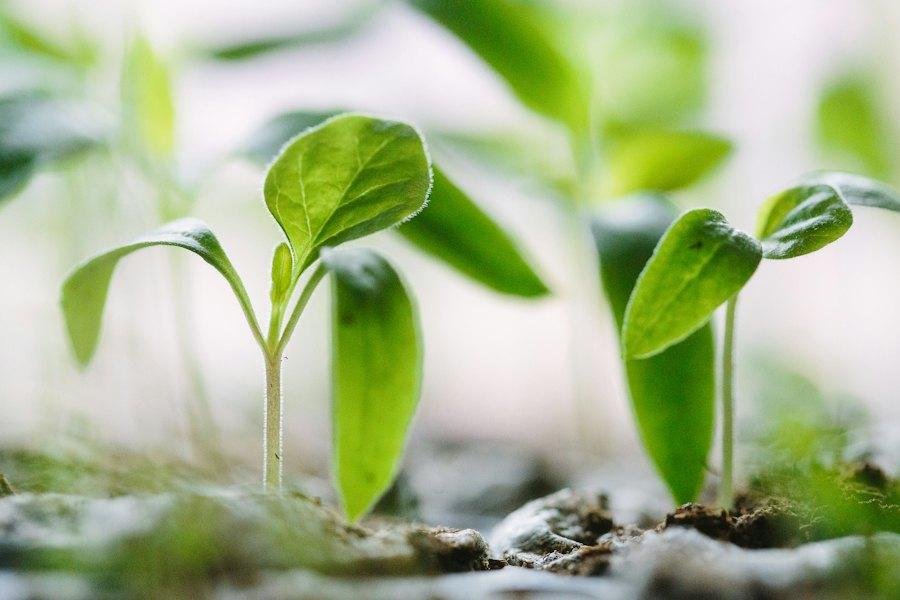
Grafting Vegetables Onto Resistant Rootstock
Grafting tomato, eggplant or cucumber onto strong rootstock protects against soil diseases and nematodes and can raise yield.
Read more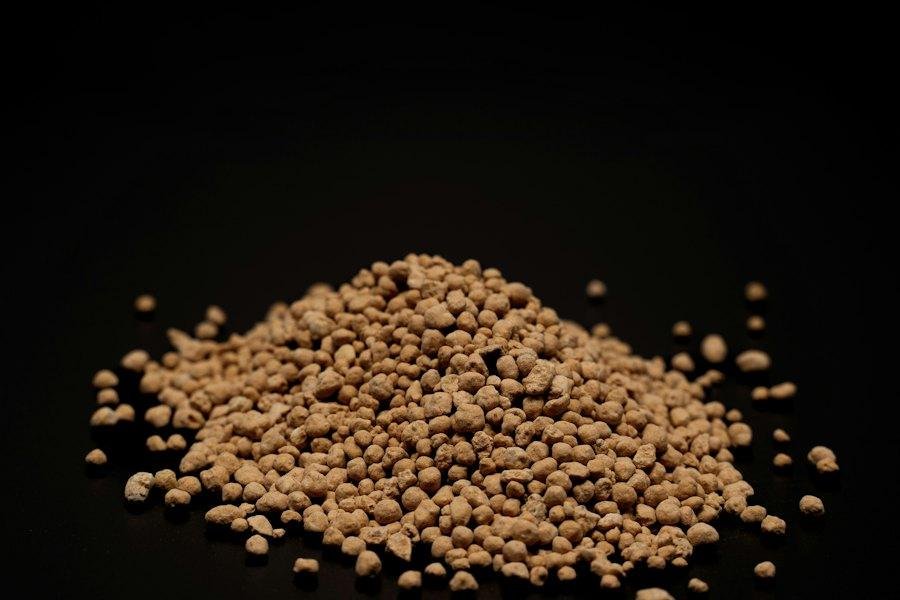
NPK on the Bag: What the Three Numbers Mean
The three numbers are the percentage of nitrogen, phosphate and potash. Knowing them lets you compare price per nutrient.
Read more