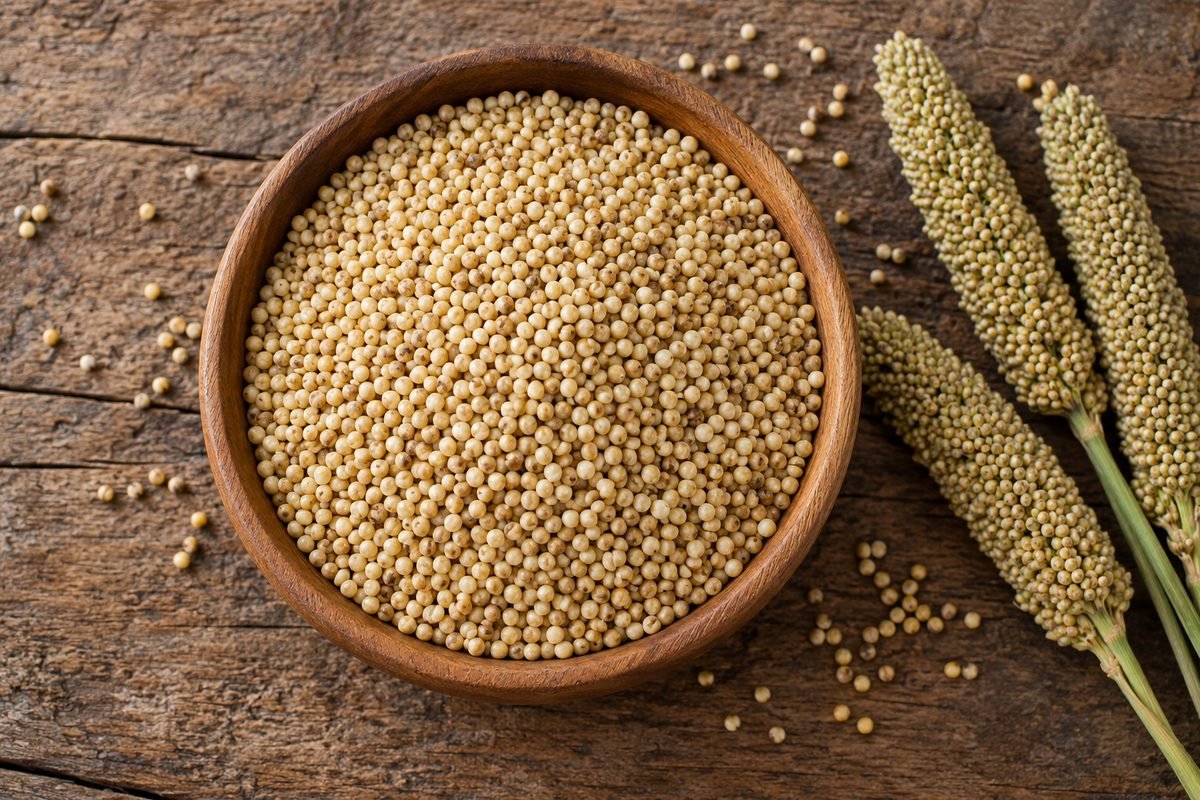
Pearl millet is a staple in dry regions because it yields where other cereals fail. Buyers judge a lot on sight and feel, so knowing what they look for helps you present the grain well.
What buyers check
- Dryness: grain that is hard and rattles, not soft or damp.
- Cleanliness: free of stones, husks, dust and other grains.
- Uniformity: even size and colour in the lot.
- Soundness: no insect holes, mould or musty smell.
Uses
Millet is milled into flour for porridge and flatbread and is naturally free of gluten. It is also used whole and as feed. Clean, dry grain mills better and keeps longer.
Storing and bagging
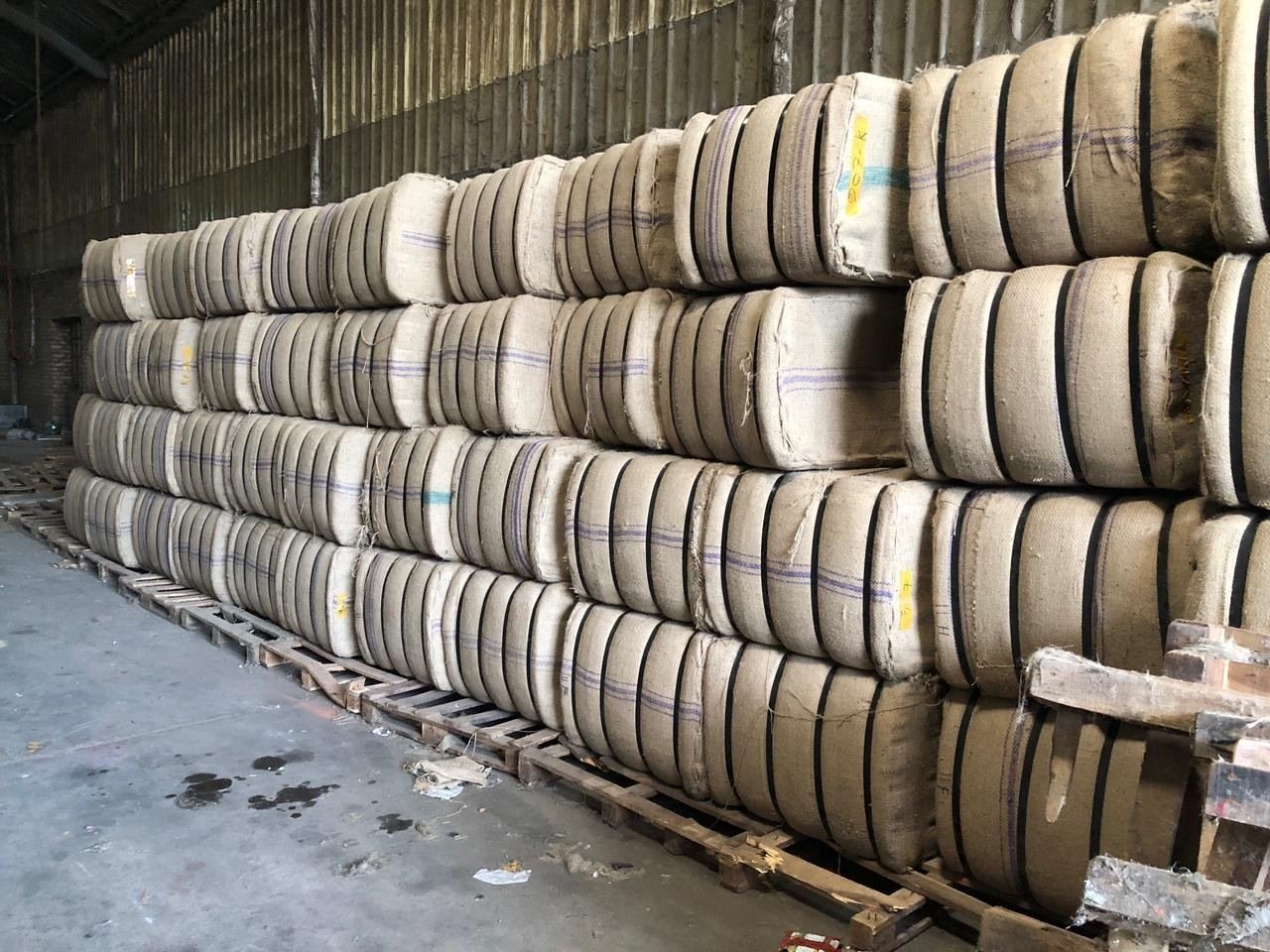
Store only dry grain in clean sacks, stacked off the floor on pallets with space around the stack. Keep millet away from fertilizer and damp walls, and check the stack regularly for heat or insects.
Have a question, or need agricultural advice?
Contact us