A large part of the effort a farmer puts in all season is lost after harvest through poor handling and storage. Fixing this stage is one of the fastest ways to raise income without growing more land.
Where the losses happen
- Harvesting too late or too early.
- Rough handling that breaks grain and fruit.
- Poor drying, so produce goes mouldy.
- Insects, rodents and damp in the store.
- Weak packaging and poor transport.
How to reduce them
1. Harvest at the right maturity.
2. Dry the crop well and clean out the dirt.
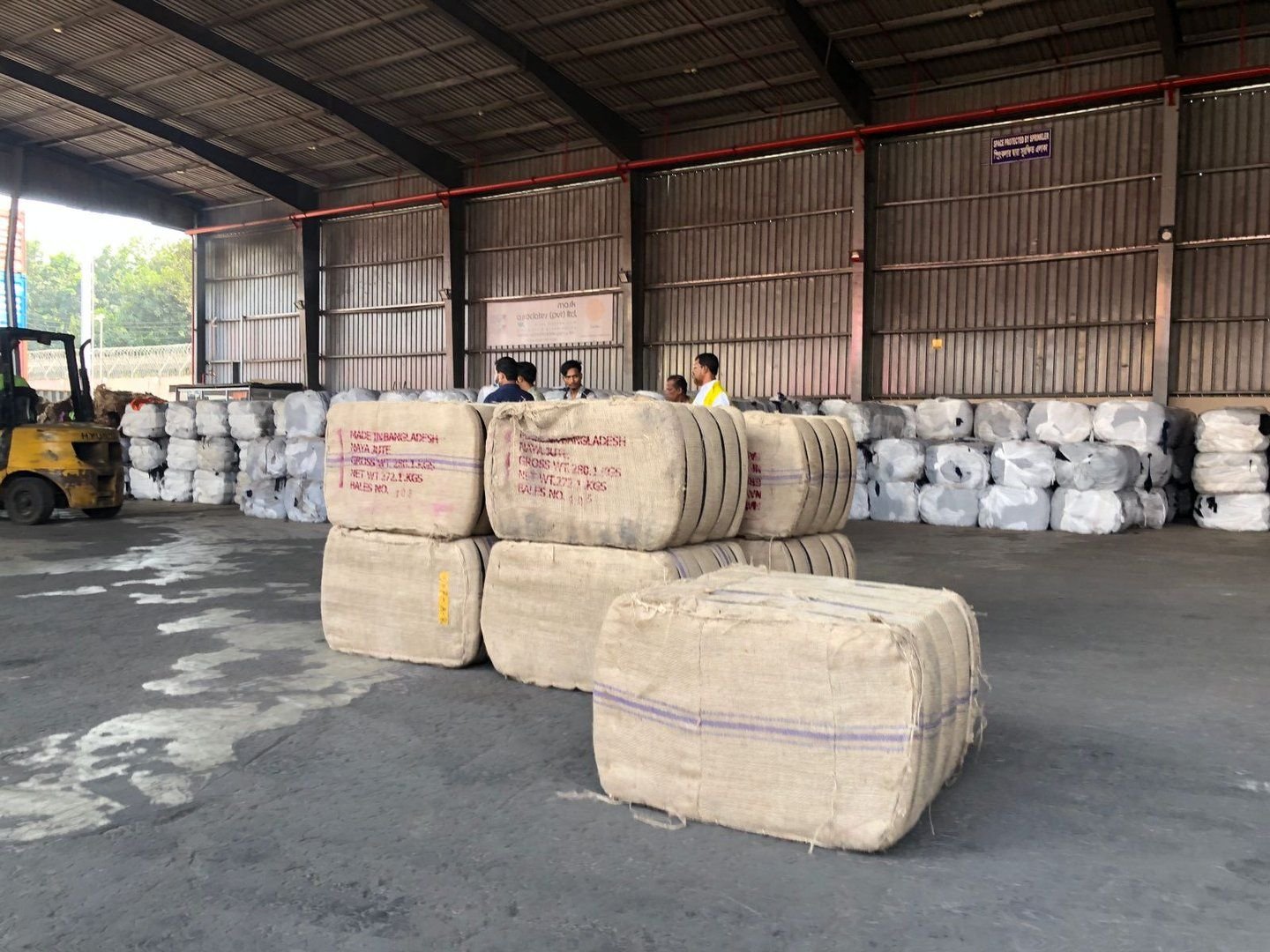
3. Use strong, breathable packaging such as jute sacks.
4. Stack bags on pallets, off the floor and away from walls.
5. Choose a dry, well-ventilated store and inspect it regularly.
6. Use "first in, first out" when issuing stock.
Al-Khair sacks are made to protect the crop from the field to the market. Contact us to find out more.
Start with a simple audit
1. Weigh the crop at harvest and at sale so you know the real size of the loss.
2. Measure moisture before storage with a moisture meter if you can.
3. Inspect the store every two weeks for insects, damp and rodents.
4. Record what you find and what you did.
Once you know where the crop is lost, you can act in the right place instead of spending money everywhere.
Have a question, or need agricultural advice?
Contact us