
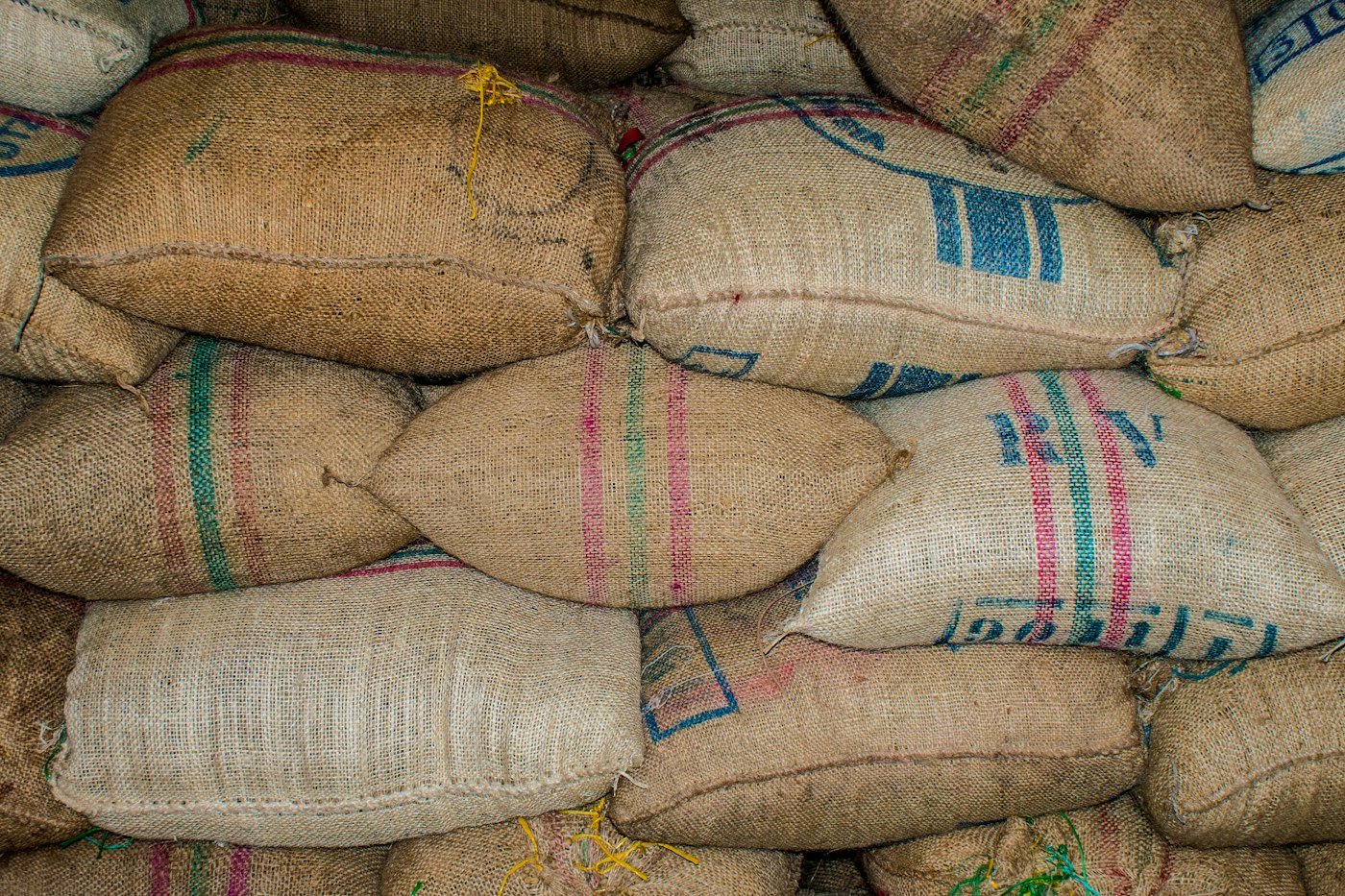
Jute is a strong natural fibre that breathes, which lets grain and oilseeds release moisture instead of sweating inside the bag. That makes it a trusted choice for sesame, groundnut, sorghum, millet, pulses and other crops that must be stored or shipped.
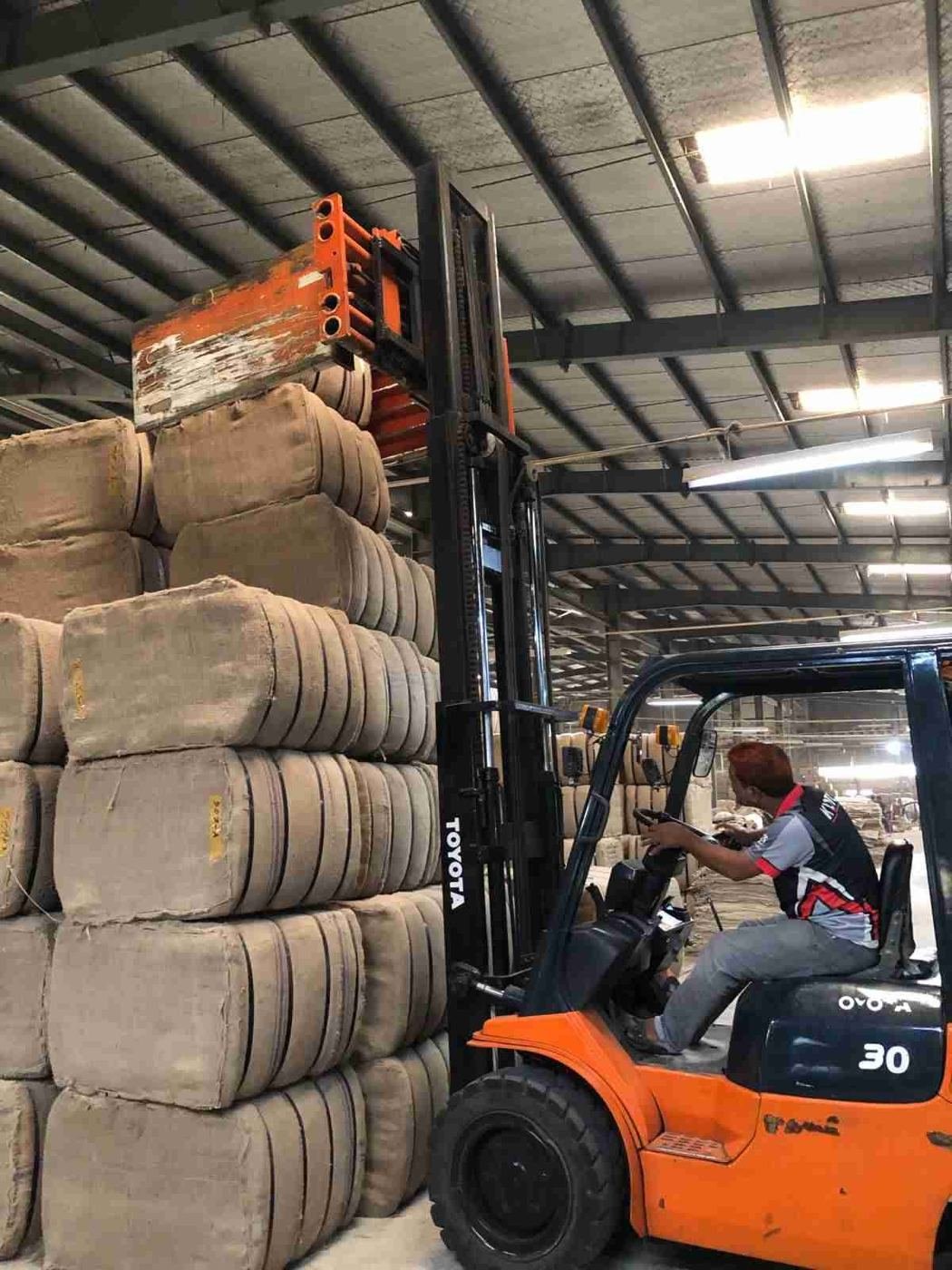
Jute bags are reusable, biodegradable and easy to stack, and they are the standard packaging in many export and marketing chains. We supply bags in a range of sizes and specifications to suit your product.
At a glance
- Strong, breathable natural fibre
- Suited to sesame, groundnut, grain, pulses and produce
- Reusable and biodegradable
- Sizes and specifications on request
Best for
- Sesame, groundnut and pulses for export
- Sorghum, millet and wheat storage
- Marketing and transport of produce
- Cooperatives and traders
- Storage in ventilated warehouses
How to use
- Dry the crop to a safe moisture level before bagging.
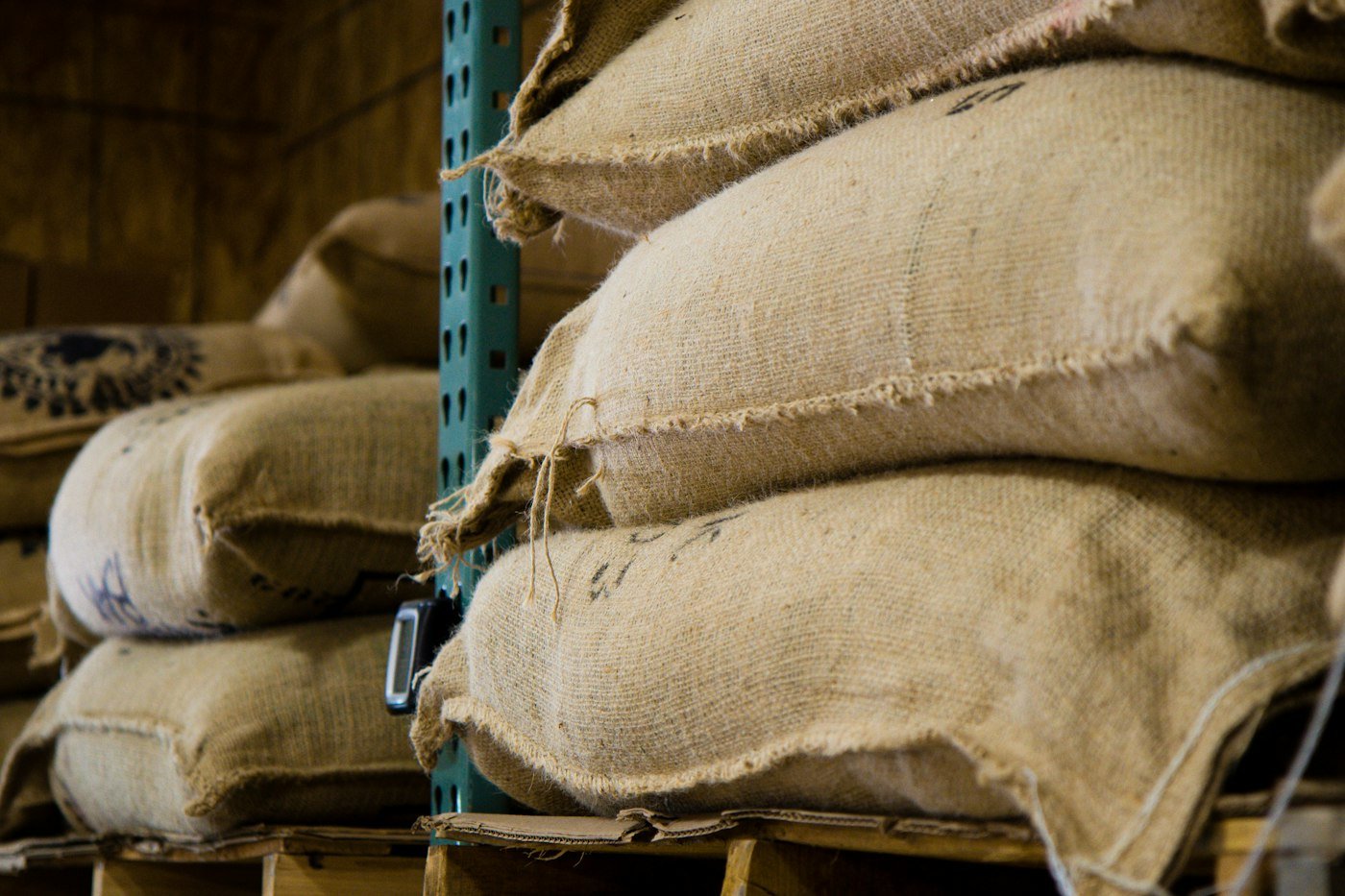
- Stack on pallets away from walls with air gaps, and no more than the recommended height.
- Keep bags off wet floors and protect from rain.
- Handle with care to avoid tearing; repair and reuse where possible.
Storage and care
- Store in a dry, ventilated warehouse.
- Protect from rodents and insects.
- Keep away from fertilizers and chemicals in storage.
Photos
Frequently asked questions
Which size should I choose?
It depends on the product, how you handle it and what your buyers expect; tell us and we will suggest one.
Can I reuse jute bags?
Yes, if clean and undamaged.
Can you supply liners for extra protection?
Ask us about options for moisture-sensitive products.
Related
Urea (46% N)
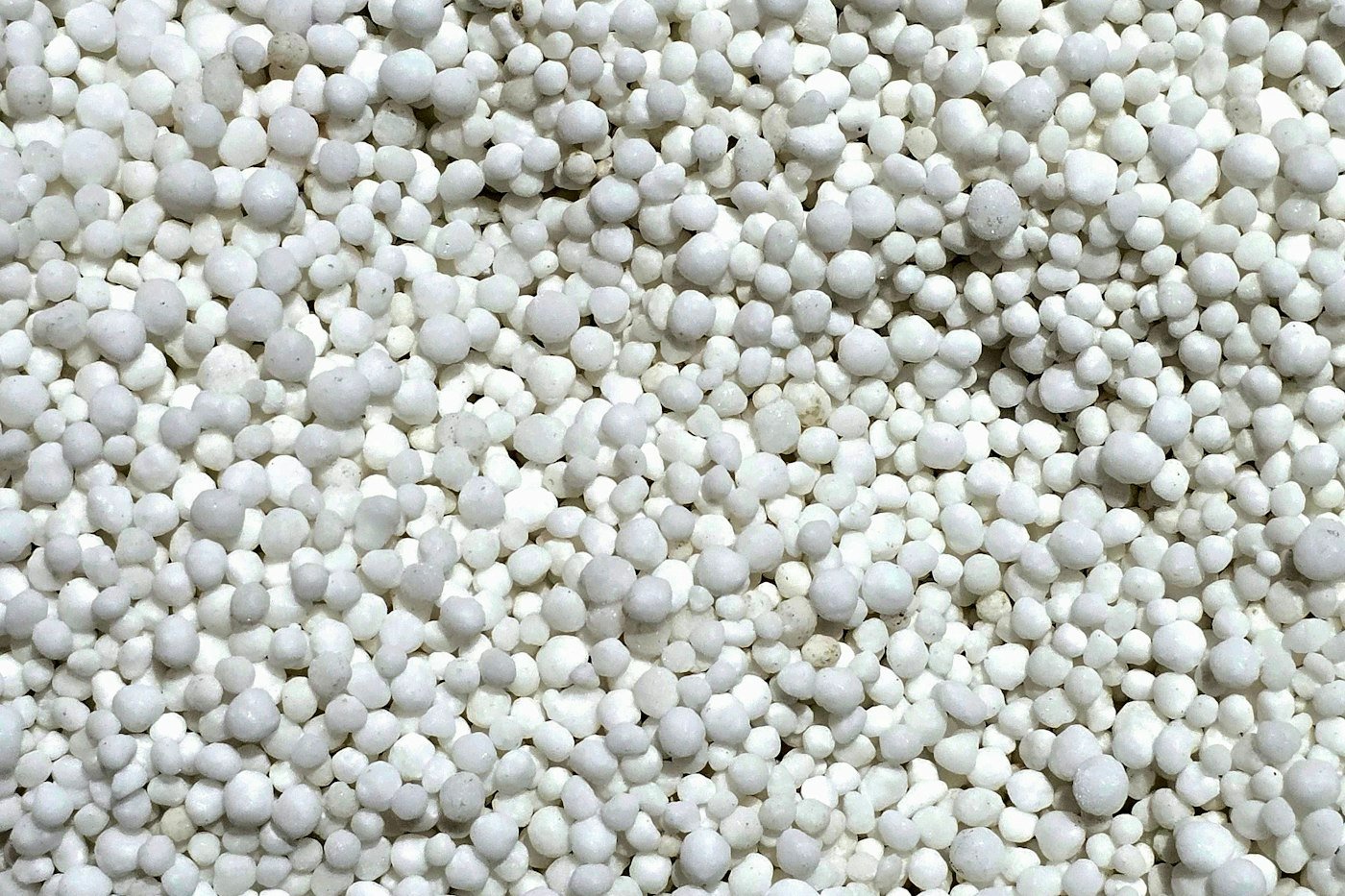
The most widely used nitrogen fertilizer: 46% N for cereals, vegetables and fruit trees.
View details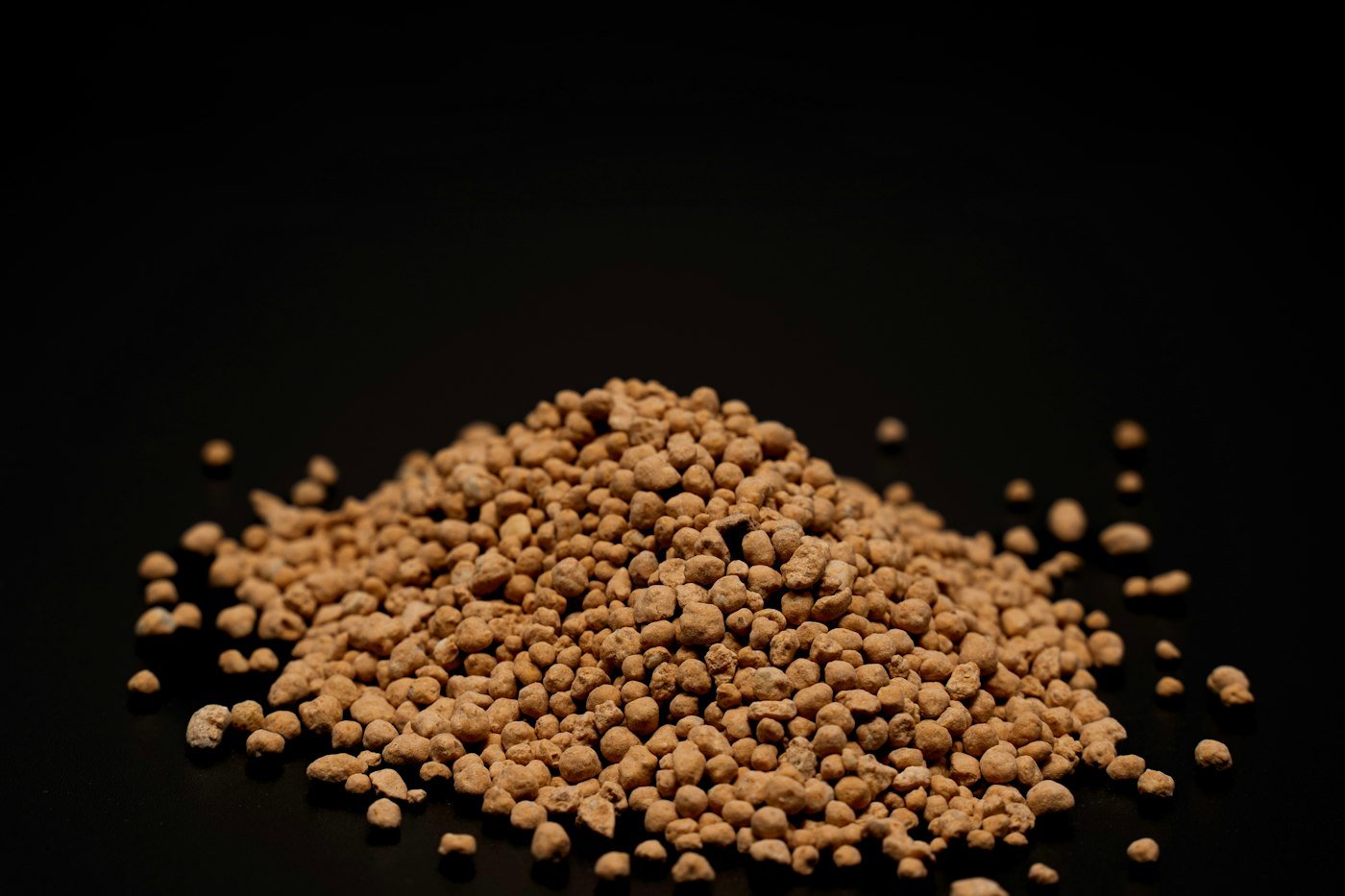
DAP (18-46-0)
Phosphorus and nitrogen at planting: 18-46-0 for strong roots and early growth.
View details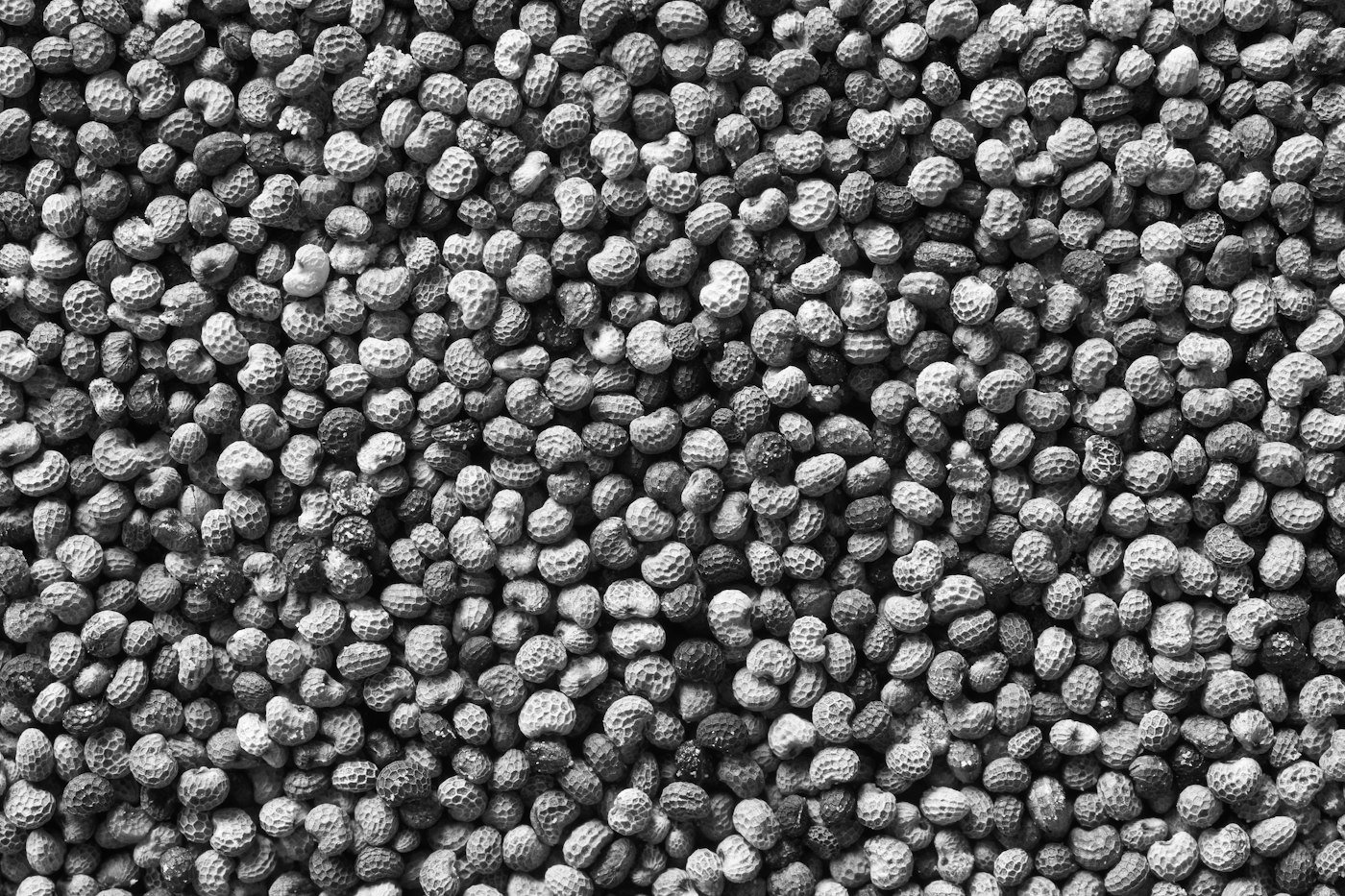
TSP (0-46-0)
Concentrated phosphate (46% P2O5) with no nitrogen, for legumes, oilseeds and orchards.
View details