
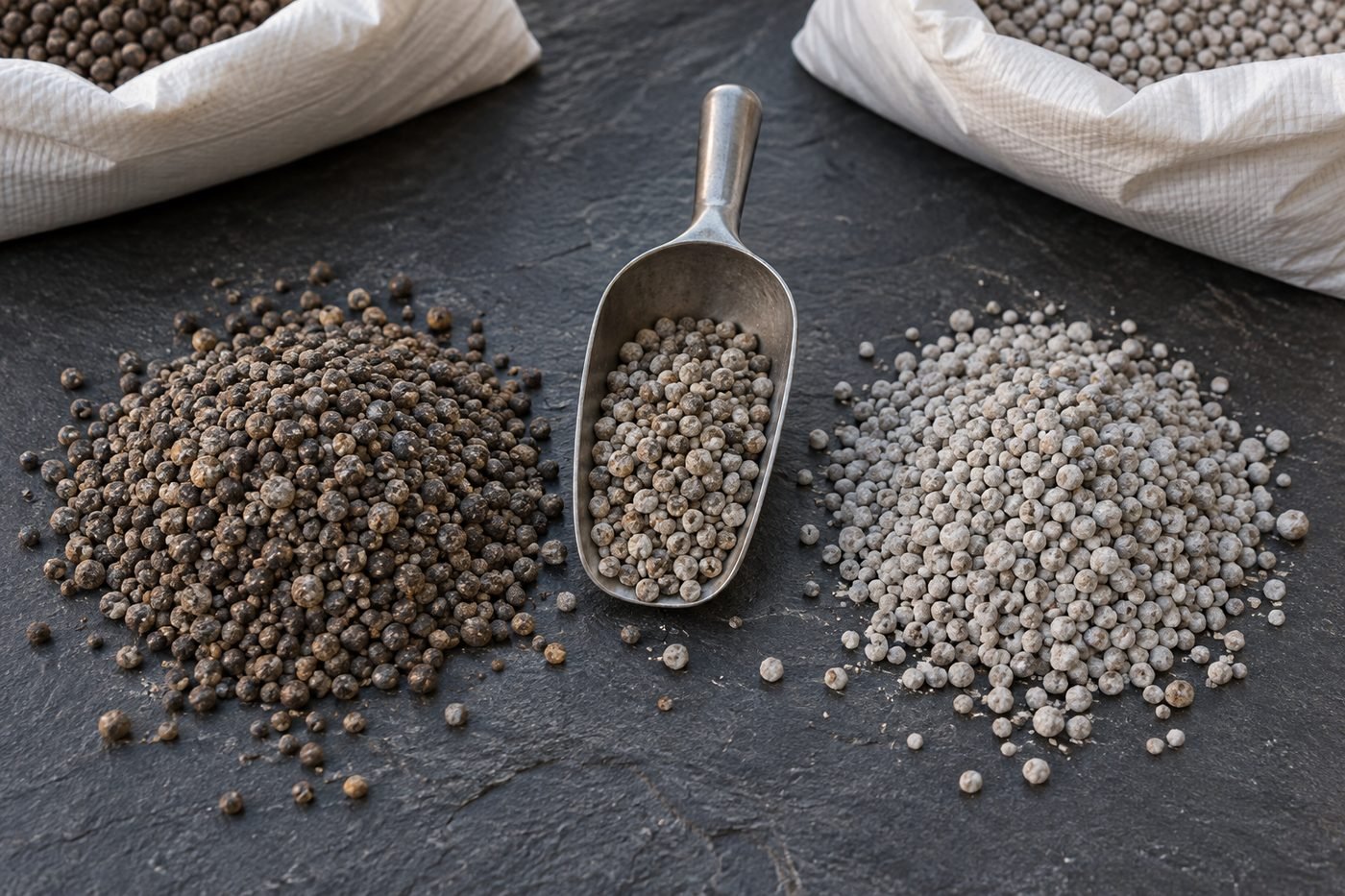
Diammonium phosphate (18-46-0) supplies 46% phosphate (P2O5) and 18% nitrogen in one granule. Phosphorus is slow to move in soil, and in the alkaline and calcareous soils common in hot, dry regions much of it is locked up, so placing it near the seed makes it work harder.
Seedlings with enough phosphorus root deeper, establish faster and tolerate early dry spells better. That is why DAP is the standard basal fertilizer for cereals, oilseeds, pulses and vegetables.
At a glance
- Nitrogen 18%, phosphate (P2O5) 46%
- Form: granules, soluble, easy to handle and spread
- Applied at planting or just before
- Good partner for urea later in the season
Best for
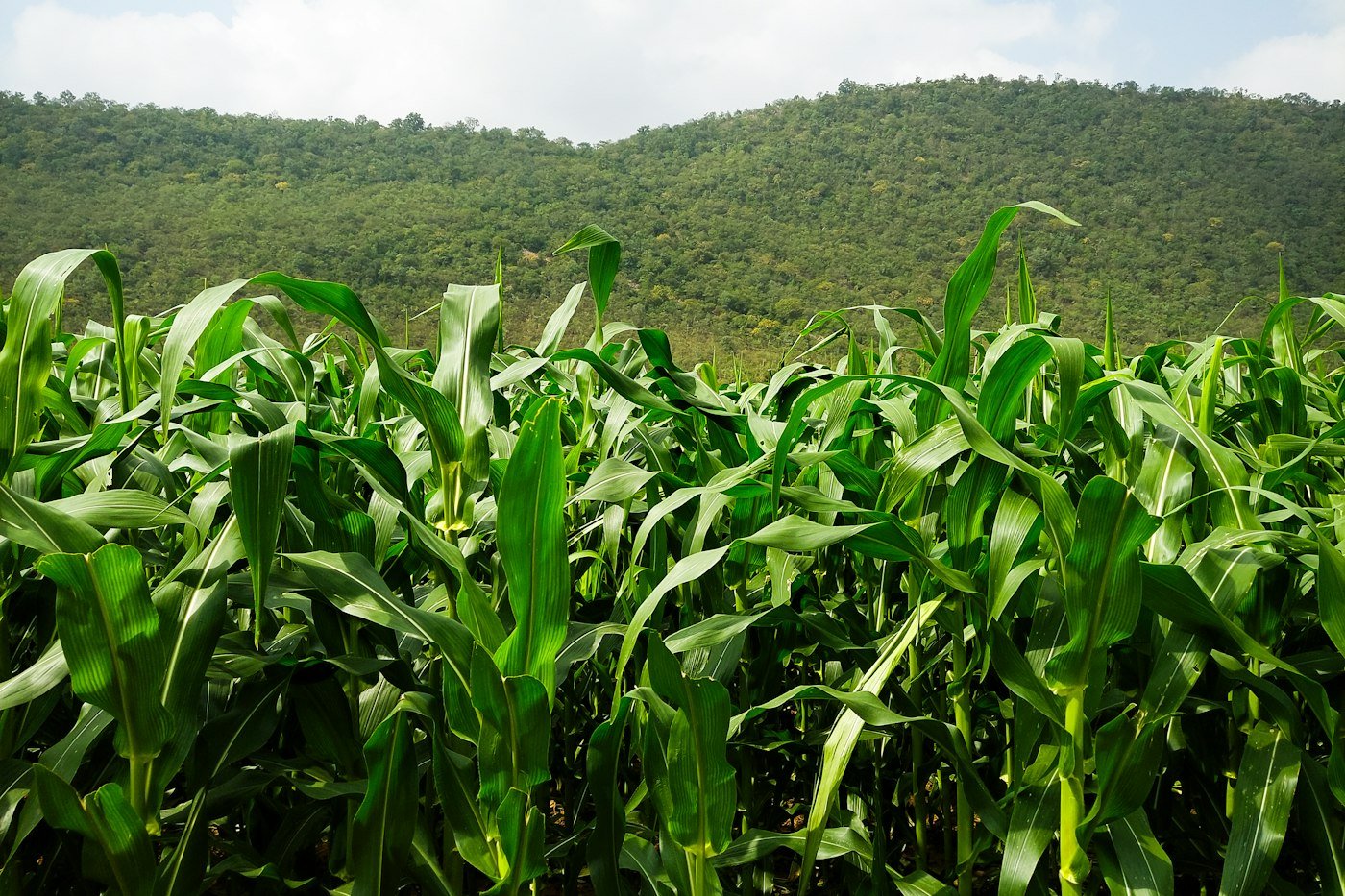
- Sorghum, millet, maize and wheat at sowing
- Sesame and groundnut
- Cowpea, mung bean and other pulses
- Vegetable nurseries and transplants
- Orchard planting holes and young trees
How to use
- Apply at or just before planting, banded or placed beside the seed row, not touching the seed.
- On alkaline soils, banding is usually more efficient than broadcasting because less phosphorus comes into contact with the soil.
- Follow with nitrogen (urea) during vegetative growth instead of counting on DAP alone.
- Legumes need phosphorus more than nitrogen: a lower DAP rate or TSP may suit them, so ask us.
Storage and care
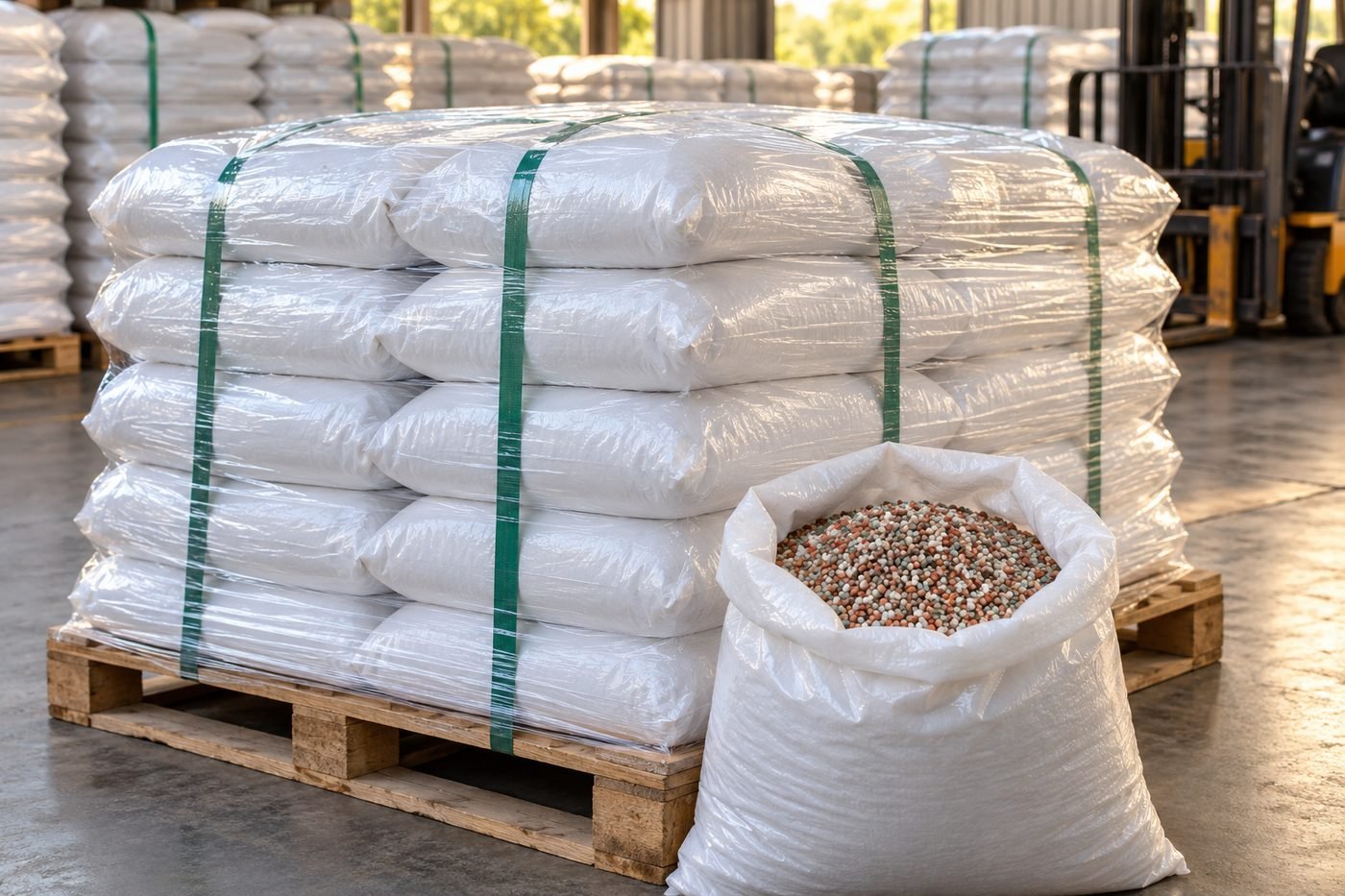
- Store dry, in sealed bags, away from direct sun and moisture.
- Keep it off the floor on pallets or boards.
- Close opened bags after each use to prevent caking.
Photos
Frequently asked questions
Is DAP the same as TSP?
No. TSP has phosphorus only (0-46-0). DAP also gives 18% nitrogen, which is useful for cereals but less needed by legumes.
Can DAP burn seedlings?
In high doses placed against the seed it can, because of ammonia. Keep it beside, not on, the seed.
Should I still add urea?
Usually yes: DAP's nitrogen covers only the first weeks. A split urea programme supplies the rest.
More articles
DAP or TSP: which phosphate fertilizer should you use?
Both supply phosphorus for roots and early growth. The difference is nitrogen, and the crop decides which suits you.
Read more
Why test your soil before you fertilize
Guessing fertilizer is the costliest habit in farming. A laboratory test shows what is missing and what you can skip.
Read more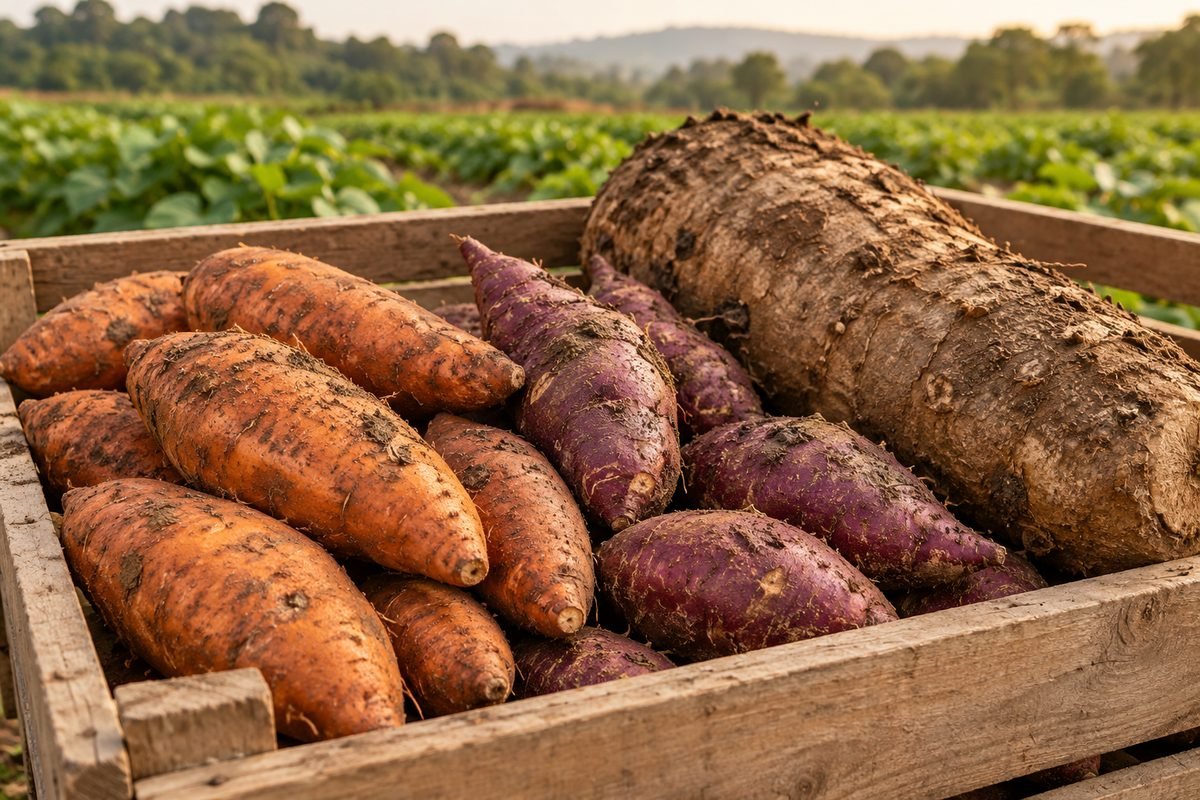
Potatoes: fertilizer, soil care and bagging for a better price
Potatoes need potassium, loose soil and careful handling. A guide to feeding the crop and bagging tubers in breathable jute.
Read moreRelated
TSP (0-46-0)
Concentrated phosphate (46% P2O5) with no nitrogen, for legumes, oilseeds and orchards.
View detailsNPK compound fertilizers
Balanced nitrogen, phosphorus and potassium in each granule, graded for the crop.
View details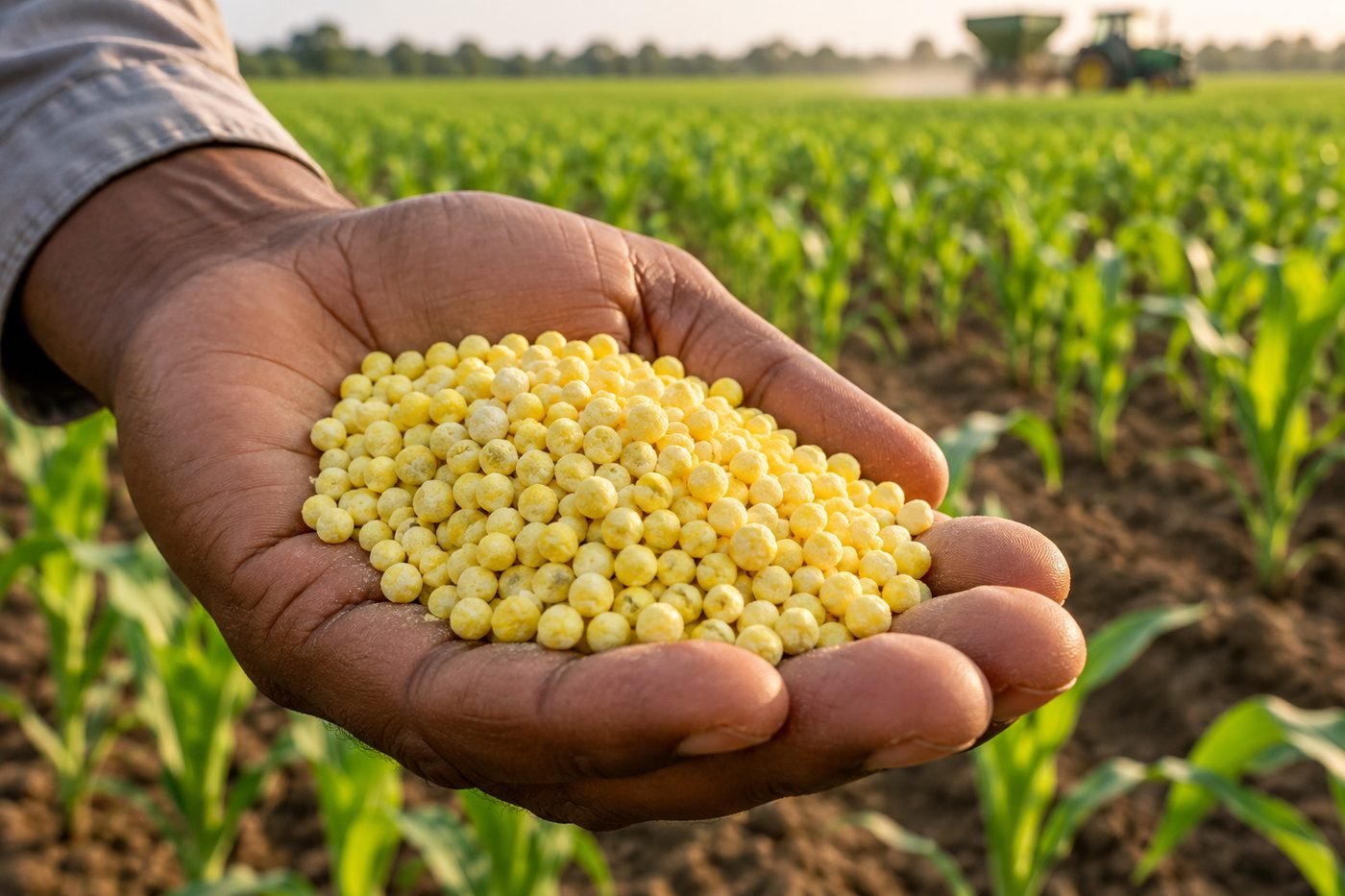
Bentonite sulphur 90
90% elemental sulphur in a bentonite granule: sulphur for oilseeds and alkaline soils.
View details