
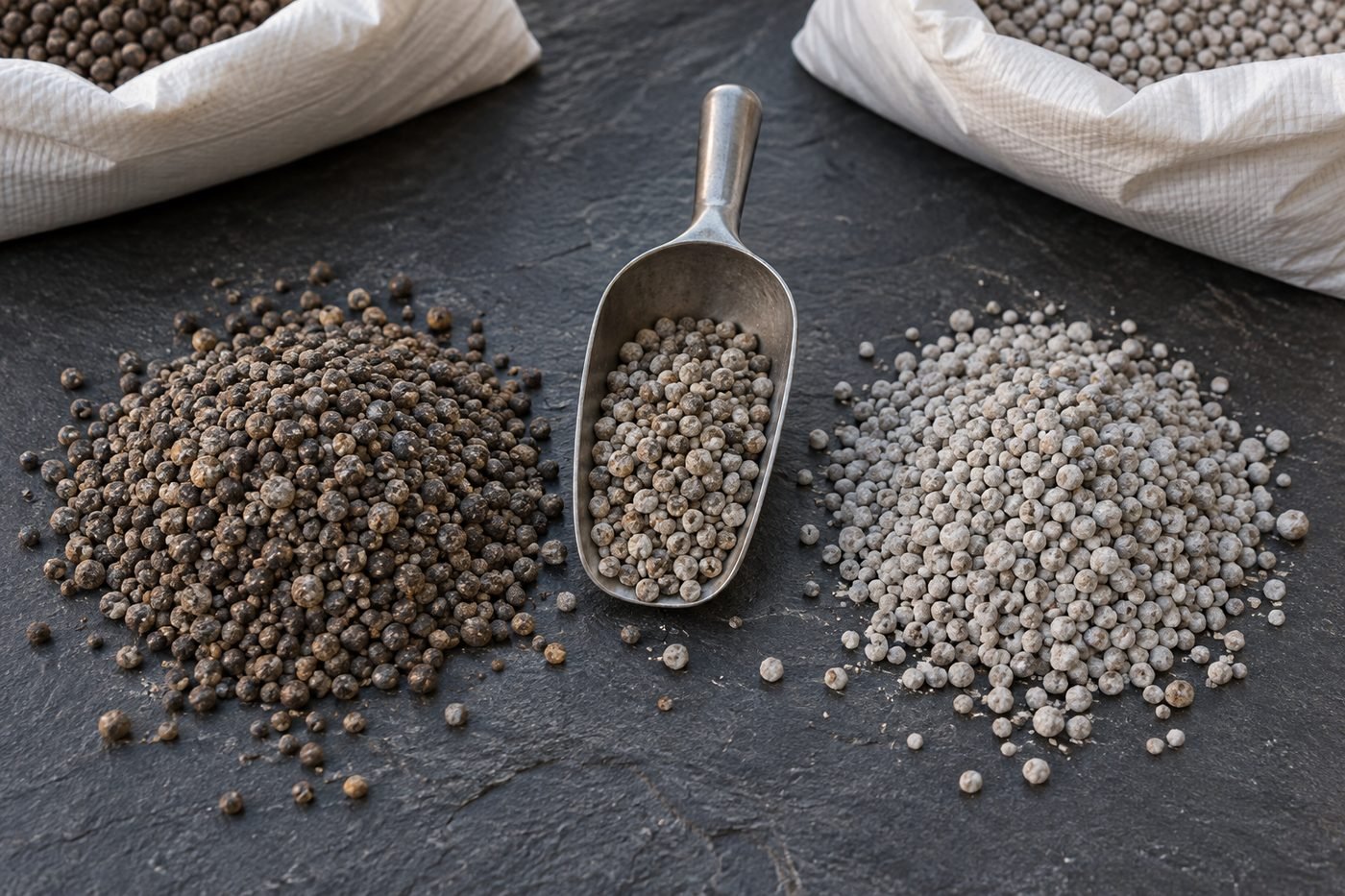
Triple superphosphate (0-46-0) contains 46% phosphate (P2O5) and also supplies calcium, in a water-soluble form that roots can use quickly. It has no nitrogen, which makes it right where nitrogen is not wanted.
Legumes such as groundnut and cowpea make most of their own nitrogen with soil bacteria but are demanding for phosphorus, so TSP often gives them a better balance than DAP.
At a glance
- Phosphate (P2O5): 46%, no nitrogen
- Also supplies calcium
- Form: grey granules, water-soluble
- Applied before or at planting, or as a basal dressing in orchards
Best for
- Groundnut, cowpea, mung bean, chickpea
- Sesame and sunflower
- Orchard trees and date palm basal dressing
- Fields testing low in phosphorus
- Vegetable beds before transplanting
How to use
- Apply before or at planting and mix into the root zone; phosphorus does not move far on its own.
- Band near the seed on alkaline soils to make the most of each bag.
- Combine with a nitrogen source for cereals and vegetables, which need both.
- Retest the soil every few seasons; phosphorus builds up when applied regularly.
Storage and care
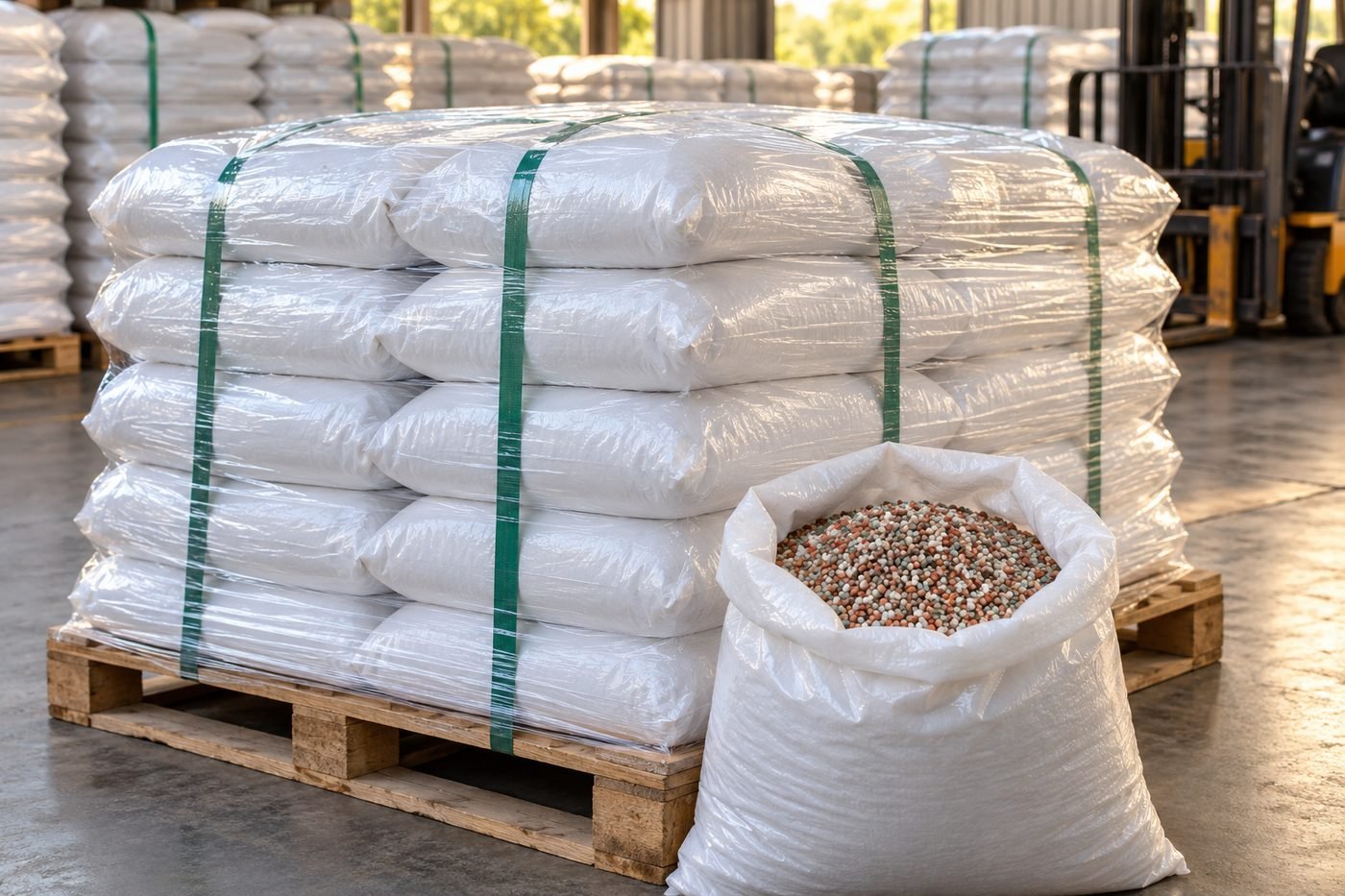
- Store dry and sealed, off the floor.
- Avoid contact with moisture; the granules soften and cake.
- Keep clear of sources of heat and of open fertilizer stores for stored feed.
Photos
Frequently asked questions
When is TSP better than DAP?
When the crop is a legume, or when the soil already supplies enough nitrogen and you only want phosphorus.
Does TSP acidify soil?
Very little compared with ammonium-based fertilizers.
Can I mix TSP with urea?
Yes, they can be blended just before spreading; do not store the mix.
More articles
DAP or TSP: which phosphate fertilizer should you use?
Both supply phosphorus for roots and early growth. The difference is nitrogen, and the crop decides which suits you.
Read moreStoring fertilizer and avoiding caking
Fertilizer absorbs moisture and turns to stone. A few storage habits protect what you paid for.
Read moreRelated
NPK compound fertilizers
Balanced nitrogen, phosphorus and potassium in each granule, graded for the crop.
View details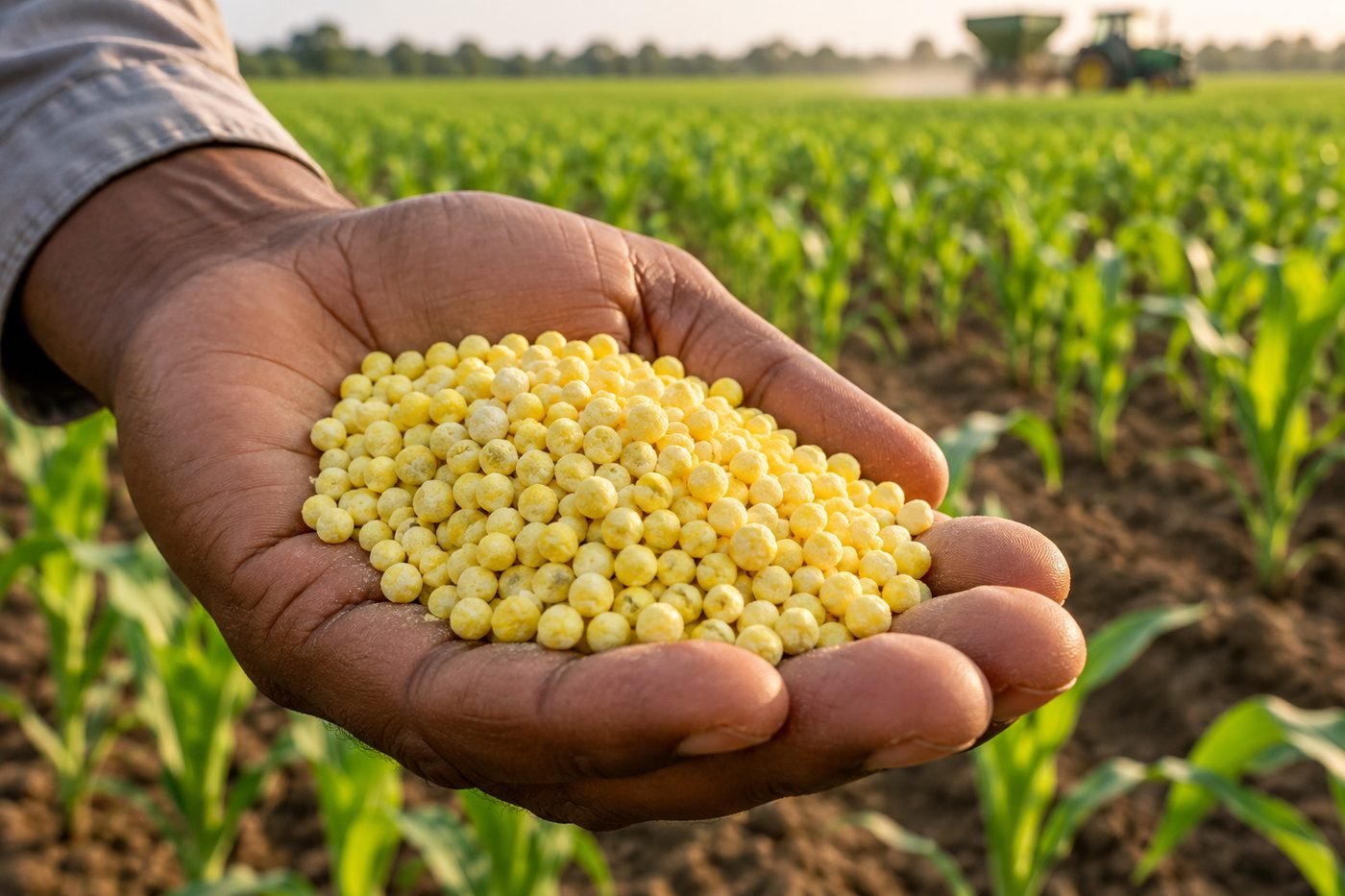
Bentonite sulphur 90
90% elemental sulphur in a bentonite granule: sulphur for oilseeds and alkaline soils.
View details
Organic fertilizers
Compost and organic matter that build soil, hold water and feed roots slowly.
View details