
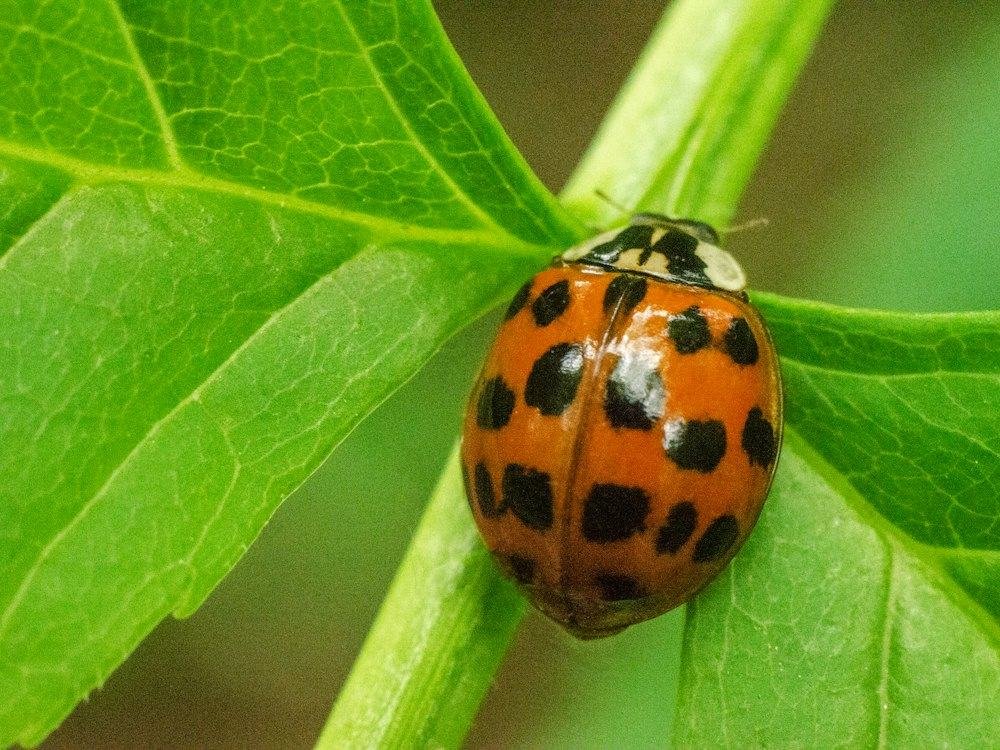
Integrated pest management combines early scouting, healthy crop management, natural enemies and, when needed, the right product at the right dose and time.
We help you identify the problem first (insects, fungus, weeds, nematodes, deficiency that looks like disease) and recommend products registered for use in your country, with attention to safety, pre-harvest intervals and resistance.
At a glance
- Problem identified before a product is recommended
- Products registered for your country and crop
- Rotation of modes of action against resistance
- Safe-use and protective equipment advice
Best for
- Fall armyworm and stalk borers in maize and sorghum
- Aphids, whitefly and thrips in vegetables
- Fungal leaf and fruit diseases
- Weeds in cereals and cotton
- Stored-grain pests
How to use
- Scout fields weekly and spray when thresholds are reached, not by the calendar.
- Read the label: dose, water volume, timing and the days before harvest.
- Rotate products with different modes of action.
- Wear protective gear and keep children and animals away from treated fields.
Storage and care
- Store in original labelled containers, locked, away from food and feed.
- Never reuse empty containers.
- Dispose of rinse water away from wells and canals.
Photos

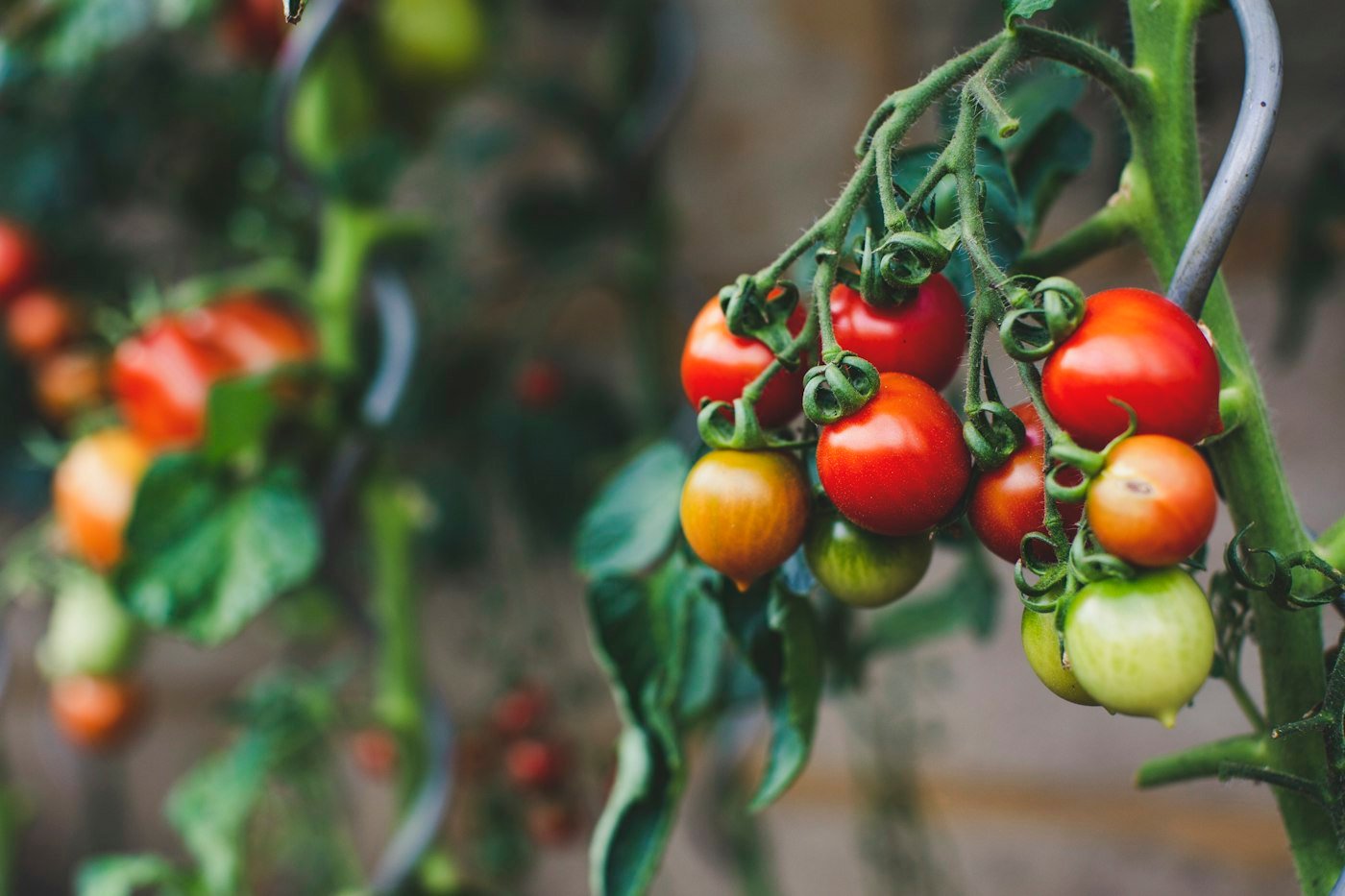
Frequently asked questions
Do I need to spray every week?
No. Scouting shows whether you need to spray at all.
Are there lower-risk options?
Yes: biological products, traps, resistant varieties and good hygiene. We recommend them where they work.
Can you identify a problem from a photo?
Often yes; send us photos on WhatsApp, and we will advise.
Related
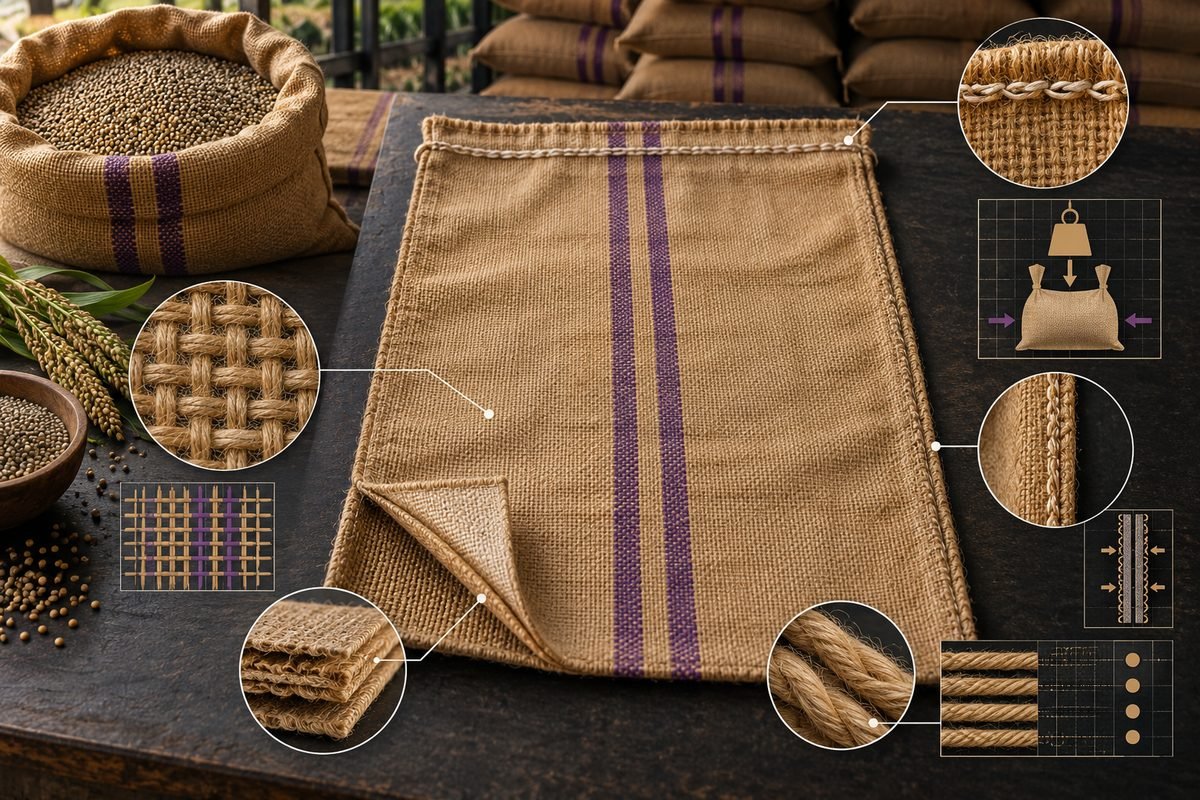
Jute bags (made in Bangladesh)
Al-Khair jute bags made in Bangladesh: checked, baled and ready to ship. Ask for a price.
View details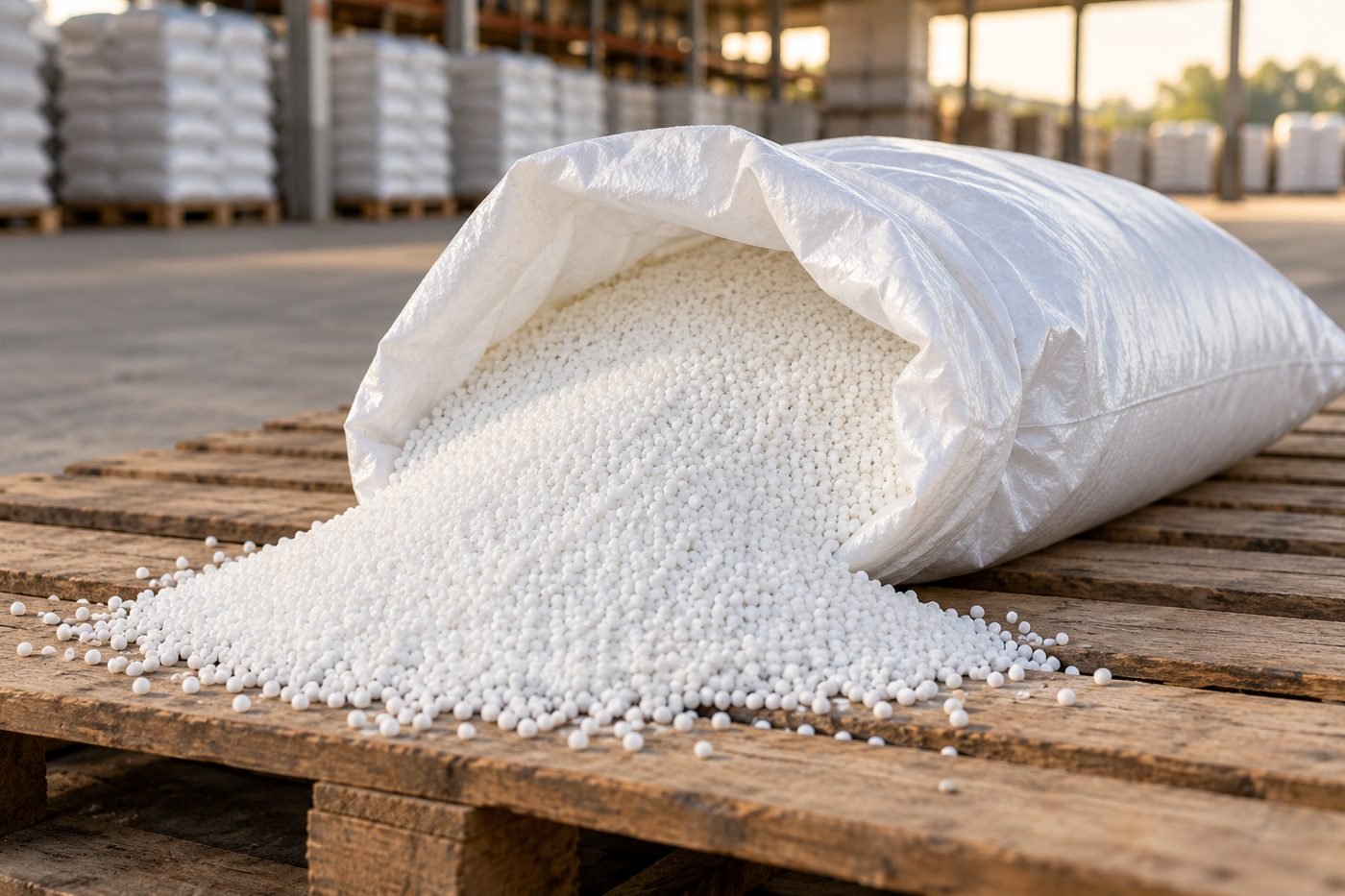
Urea (46% N)
The most widely used nitrogen fertilizer: 46% N for cereals, vegetables and fruit trees.
View details
DAP (18-46-0)
Phosphorus and nitrogen at planting: 18-46-0 for strong roots and early growth.
View details