
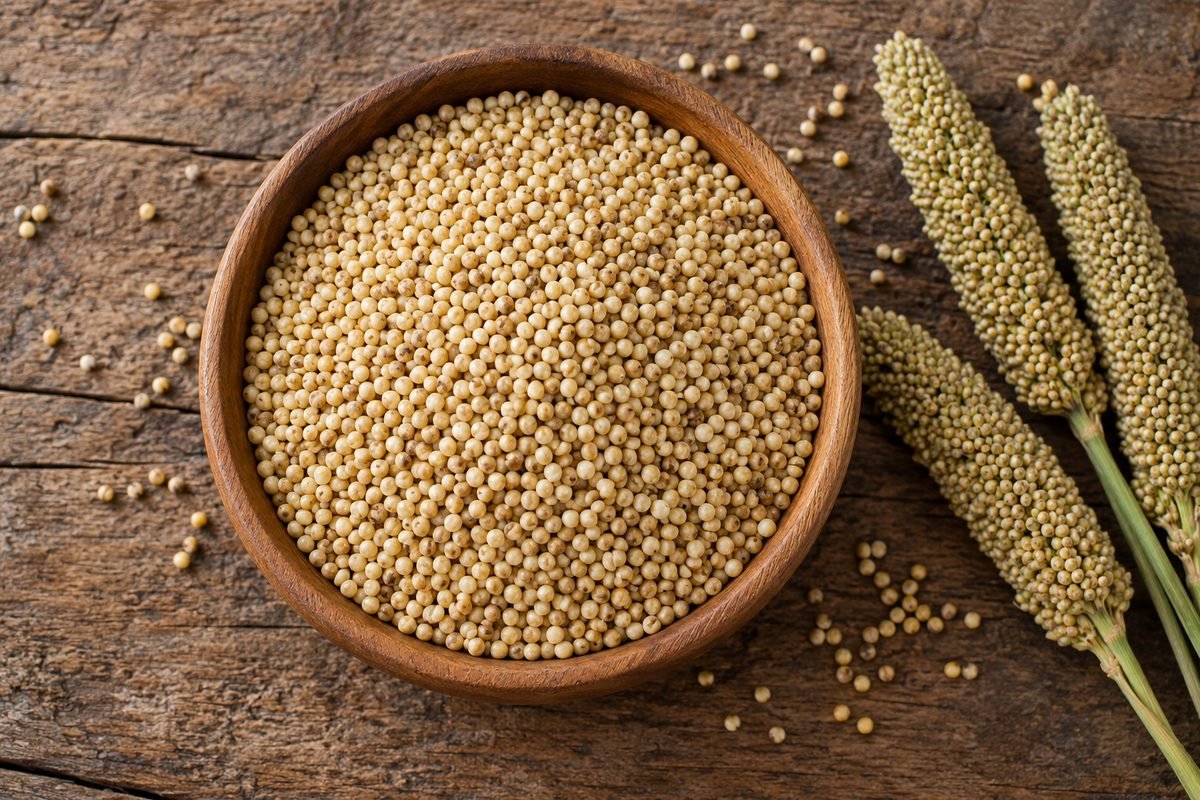
A good variety for your rainfall, soil and market can raise yield more cheaply than any other input. A poor seed lot (low germination, mixed varieties, seed-borne disease) wastes every input that follows.
We help you choose varieties adapted to your season, to drought or heat where relevant, and to your market, and we check seed quality before you plant.
At a glance
- Varieties matched to rainfall, soil and season
- Germination and purity checked
- Advice on seed rates and sowing dates
- Seed treatment guidance
Best for
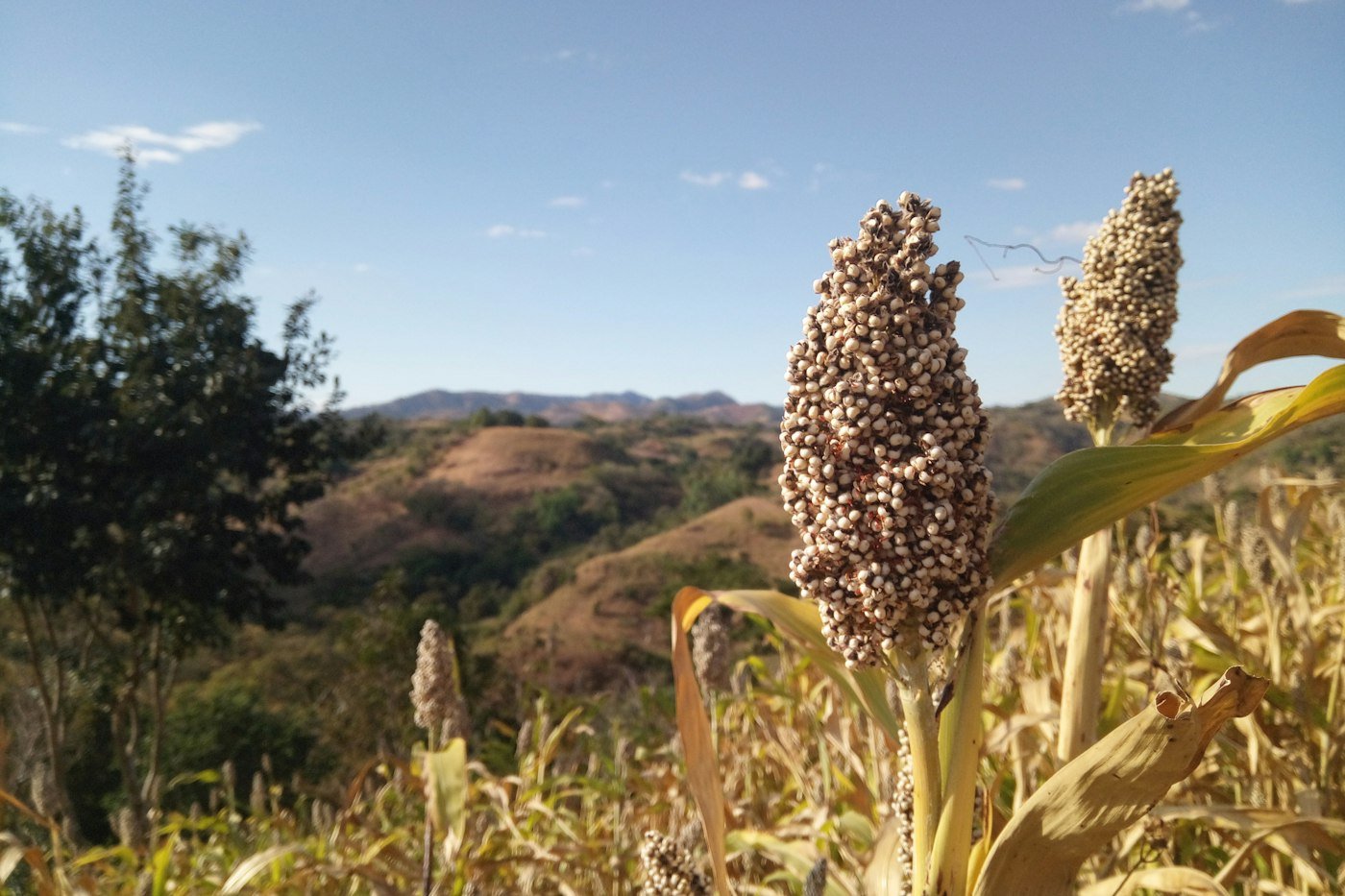
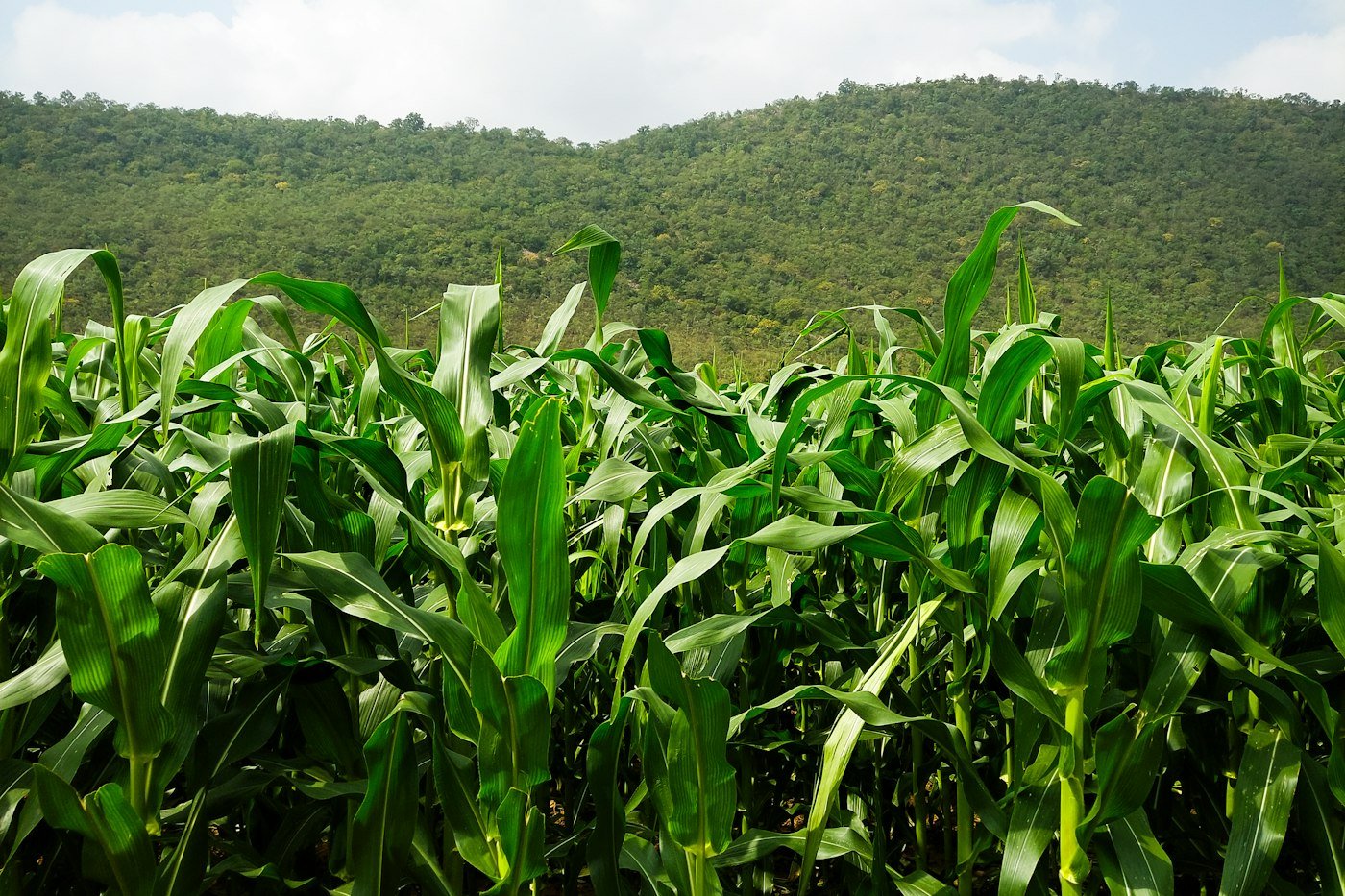
- Sorghum, millet and maize
- Sesame and groundnut
- Wheat under irrigation
- Vegetables and nurseries
- Pulses such as cowpea and chickpea
How to use
- Buy from reliable certified sources and keep the label.
- Test germination on a sample before sowing a large area.
- Plant on time: sowing date is as important as variety.
- Match fertilizer to the variety's yield potential.
Storage and care
- Store seed cool, dry and off the floor.
- Protect from rodents and insects.
- Do not carry old seed into a new season without testing it.
Photos
Frequently asked questions
Can I save my own seed?
For open-pollinated crops yes, if the crop was healthy; hybrids do not breed true.
How do I check germination?
Count a few hundred seeds on damp cloth for several days; we can show you how.
Which variety suits my area?
It depends on rainfall, soil and market; tell us where you farm and we will advise.
Related

Irrigation systems
Drip and sprinkler systems, filters, pipes and pumps designed for your field.
View details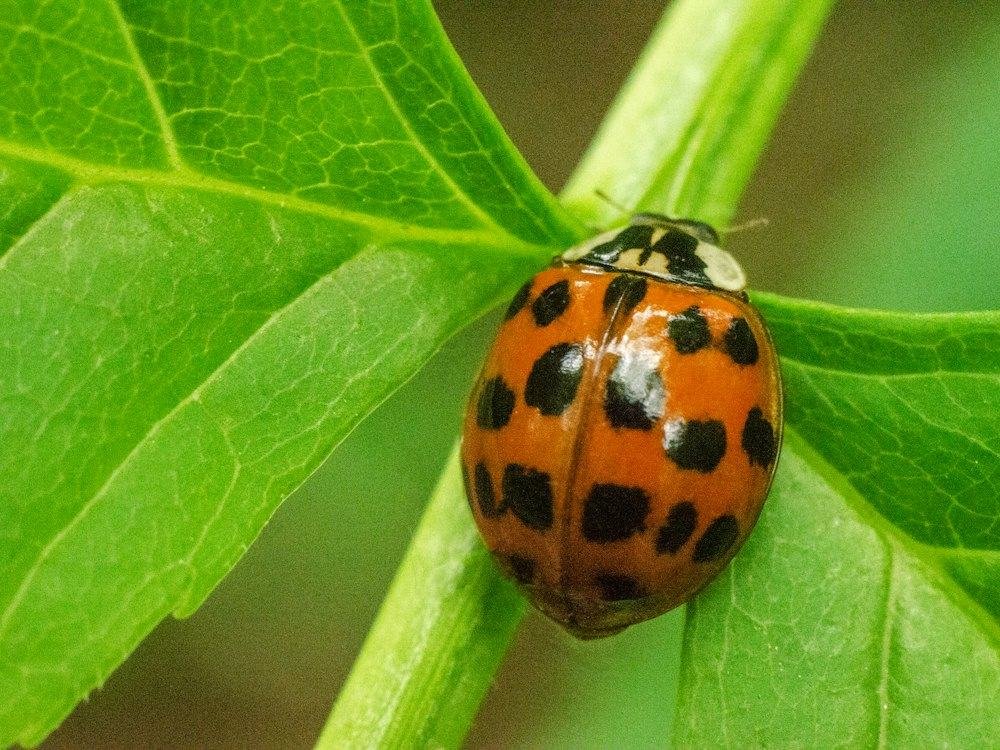
Pest and disease control
Scouting-based crop protection and safe-use advice, not calendar spraying.
View details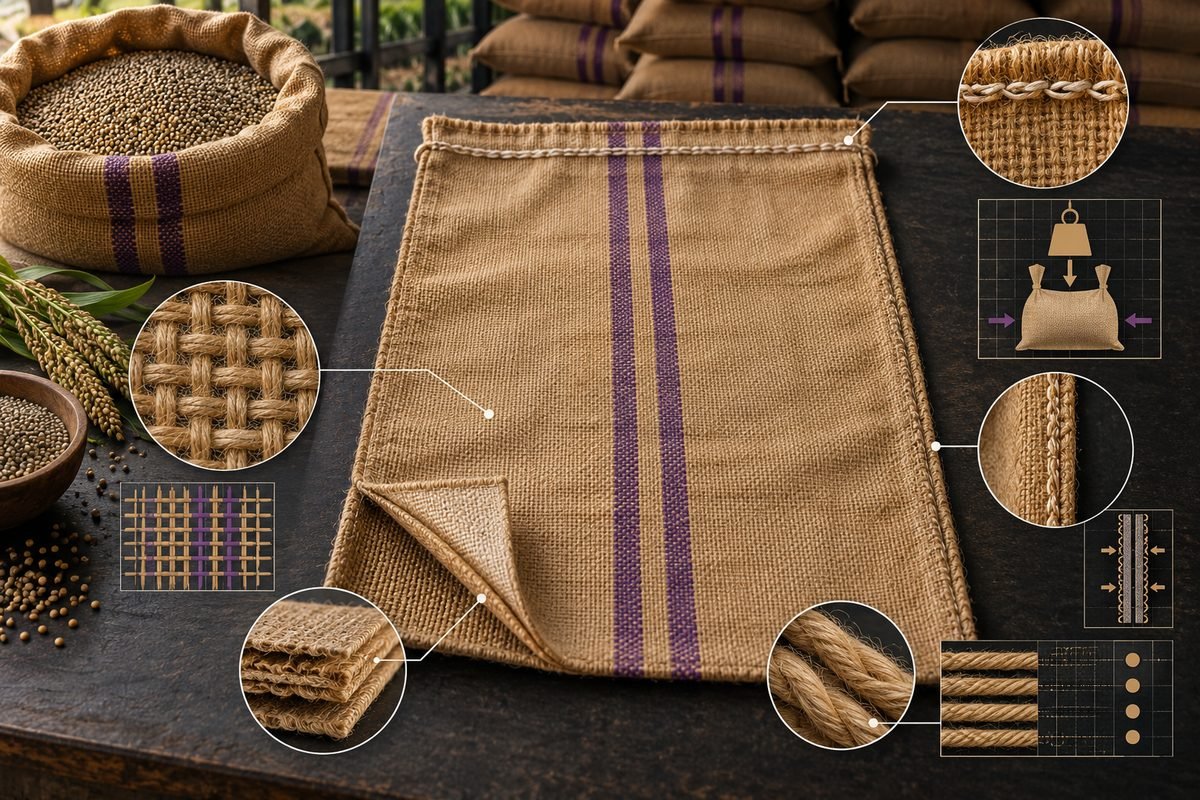
Jute bags (made in Bangladesh)
Al-Khair jute bags made in Bangladesh: checked, baled and ready to ship. Ask for a price.
View details