
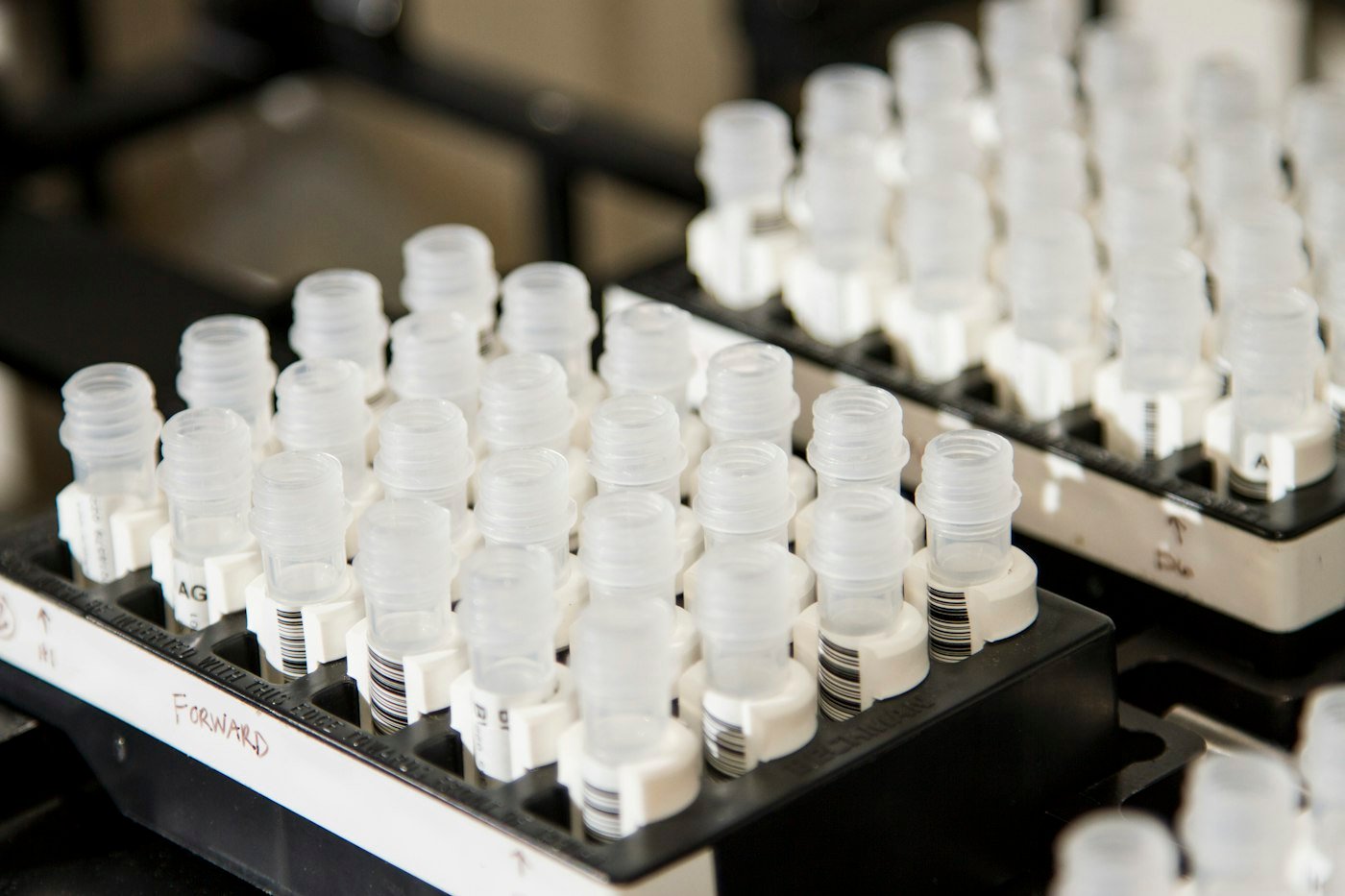
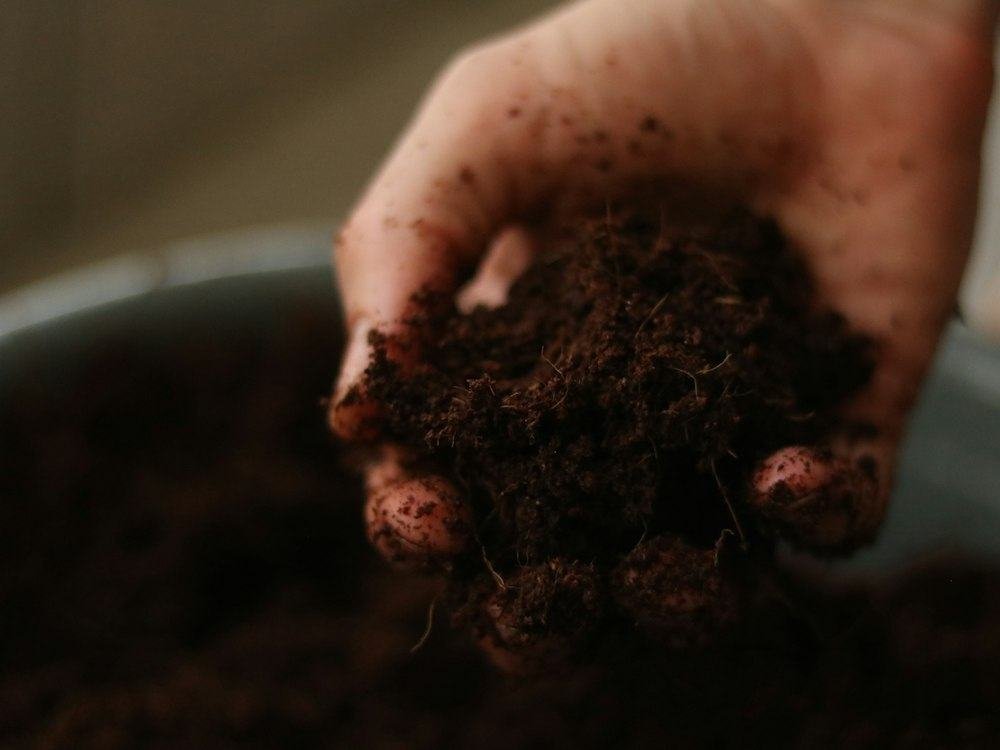
We take representative samples, send them for laboratory analysis and explain the results in plain language: nutrient levels, pH, salinity, organic matter and irrigation-water quality.
Tests are most valuable when they lead to a decision, so every report ends with a recommendation: what to apply, how much, when, and what you can skip.
Key points
- Soil: pH, salinity (EC), organic matter, nitrogen, phosphorus, potassium and key micronutrients
- Irrigation water: salinity, sodium and suitability for drip
- Plant tissue: confirm suspected deficiencies
- Result explained with a recommendation
Who it is for
- New fields and land you have not farmed before
- Fields with falling yields
- Orchards and greenhouses
- Farms using drip and fertigation
- Before choosing between urea, DAP, TSP, NPK or sulphur
What we do
- We show you how to sample correctly, or take the samples ourselves.
- Samples go to the laboratory with a clear label and field history.
- We read the results against your crop and region.
- You receive a written plan; we can retest after the season.
Good to know
- Do not sample right after fertilizing or from field edges.
- Take several sub-samples across the field and mix them.
- Keep records of each field's sampling points.
Photos

Frequently asked questions
How often should I test?
Every one to three years for soil, and whenever the water source changes.
How long do results take?
It depends on the laboratory and the tests; we will give you a timeframe when you book.
Do I need a test every season?
Not usually; soil tests are most useful as a baseline and every few seasons after that.
More articles
Related

Crop nutrition programmes
A written fertilizer programme for your crop group: what, when and why.
View details
Irrigation design and installation
Design, supply and installation of drip, sprinkler and solar-pumped systems.
View details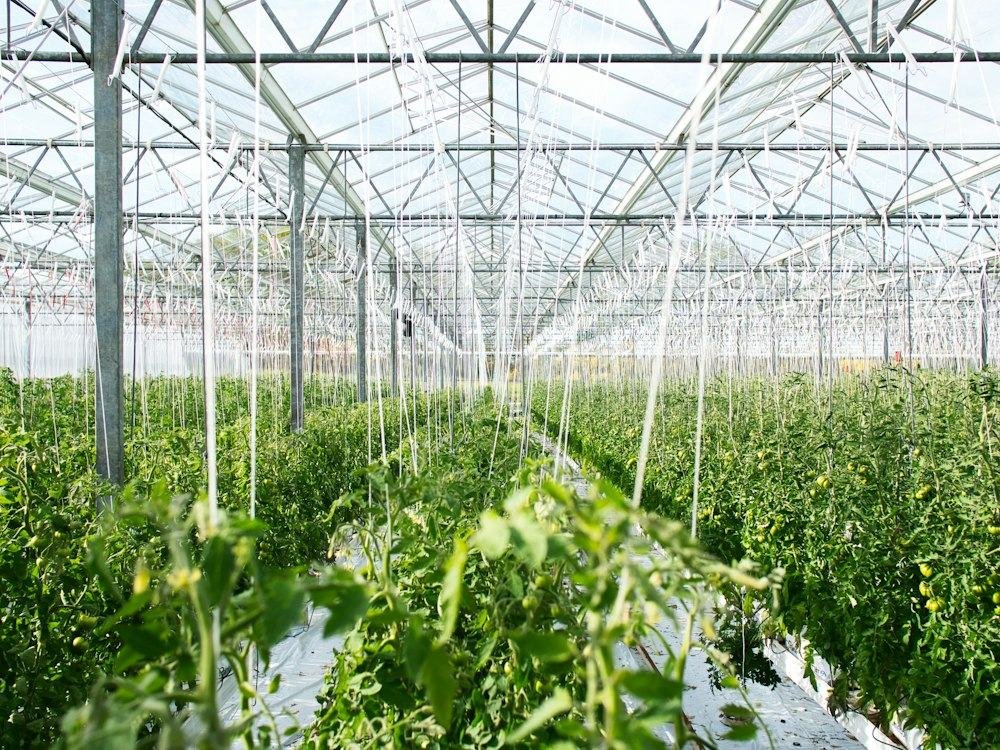
Greenhouses and protected farming
Greenhouses and shade-houses with ventilation, drip and fertigation for hot climates.
View details