
Drip Irrigation and Fertigation
Water and fertilizer delivered straight to the roots in measured amounts: less waste, steadier growth and better use of every bag.
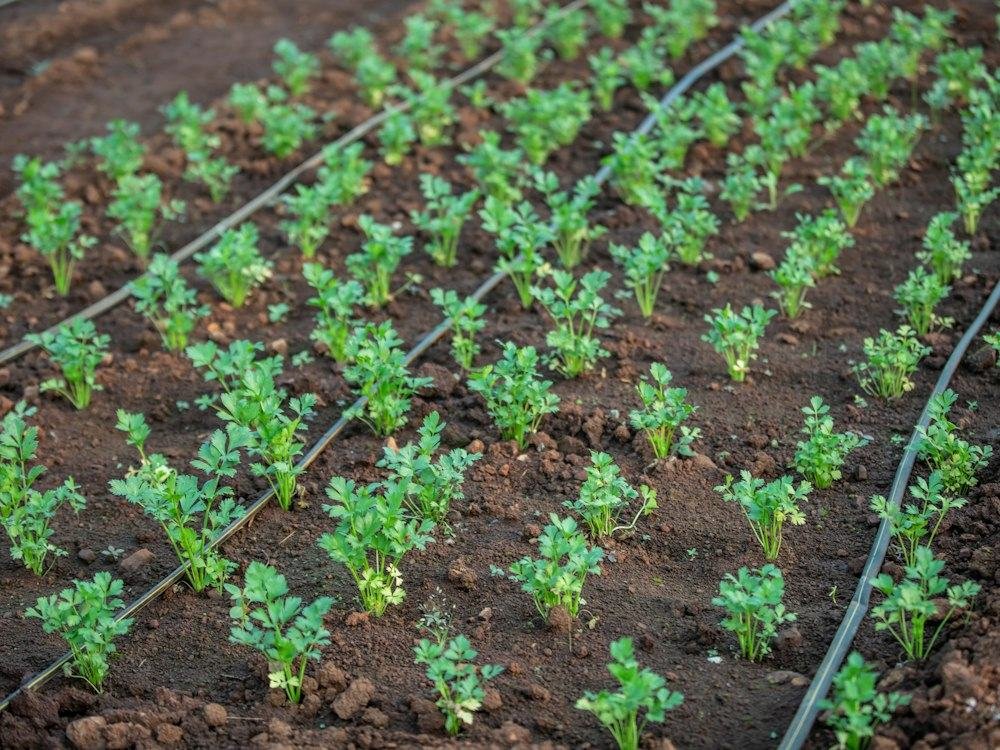
Drip irrigation applies water slowly at the plant, which keeps the root zone moist and the surface dry. Fertigation adds soluble fertilizer to the same water, so nutrients arrive little and often, when the crop wants them.
The result is usually higher yield from less water and less fertilizer, which matters where both are scarce.
Key points
- Substantial water savings versus flood irrigation
- Fertilizer goes where roots are
- Fewer weeds between rows
- Suited to uneven or sandy ground
Where it fits
- Vegetables and greenhouses
- Orchards, date palm and banana
- Cotton and sugarcane in some systems
- Sandy soils
- Farms with limited or saline water
How it works in practice
- Use clean water; fit filters.
- Choose soluble fertilizers made for fertigation (urea, MOP, specialised NPK).
- Inject in measured doses; flush lines afterwards.
- Monitor soil moisture to fine-tune schedules.
Honest advice
- Clean filters weekly.
- Flush lines monthly.
- Watch for clogging from salts or algae.
Photos


Frequently asked questions
Can I use any fertilizer?
No. Use fully soluble products designed for fertigation to avoid clogging.
Is it hard to manage?
It takes discipline but is learnable; we provide training.
Does it suit saline water?
With care; test the water first.
More articles
Related
Soil moisture and weather monitoring
Simple sensors that tell you when to irrigate and when to spray.
View details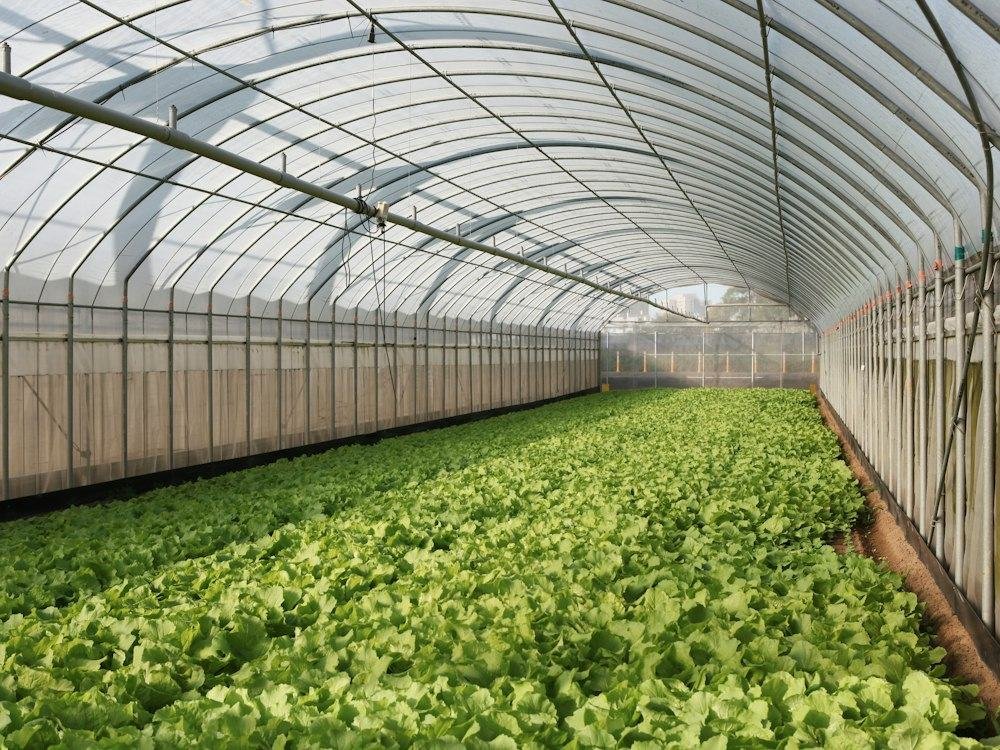
Protected cultivation and hydroponics
Greenhouses and, where proven, hydroponics for water-efficient production.
View details
Safe grain and seed storage
Dry, clean storage that protects the crop after harvest.
View details