
Soil Moisture and Weather Monitoring
You cannot manage what you cannot see. Simple, affordable sensors show when the soil is really dry, so you irrigate on evidence instead of habit.
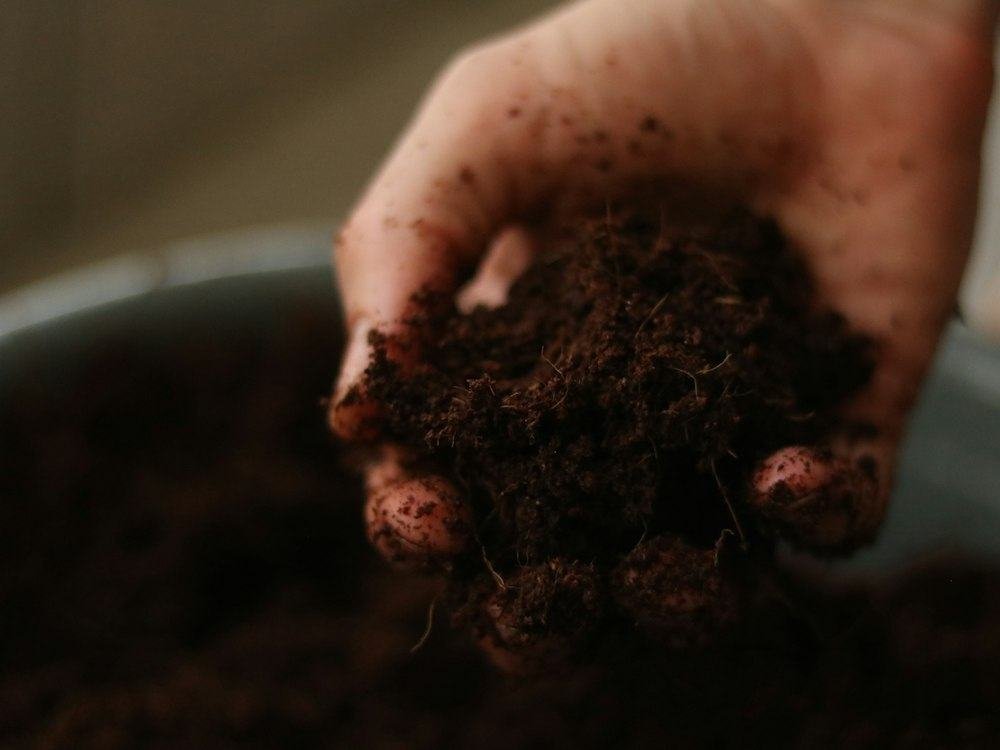
Soil-moisture probes show how much water is in the root zone and how deep irrigation penetrates. A small weather station records rain, temperature and humidity, which also warns of disease and pest pressure.
Basic sensors are now affordable and robust. Even a few probes in representative spots change how people irrigate.
Key points
- Probes show real root-zone moisture
- Weather data guides irrigation and spraying
- Low-cost entry options
- Data on a phone or simple display
Where it fits
- Drip and pivot irrigated fields
- Orchards and vegetables
- Farms with high water or fuel cost
- Growers troubleshooting uneven yield
- Cooperatives and research plots
How it works in practice
- Place probes at root depth in representative spots.
- Read them before each irrigation.
- Compare with rain and temperature records.
- Adjust schedules over the season.
Honest advice
- Keep probes in good contact with soil.
- Protect cables and units from damage.
- Calibrate against a manual check.
Photos

Frequently asked questions
Do I need expensive equipment?
No; simple probes provide most of the benefit.
Will it save water?
Usually yes, because you stop watering on habit.
Is training needed?
A short session is enough to start.
Related
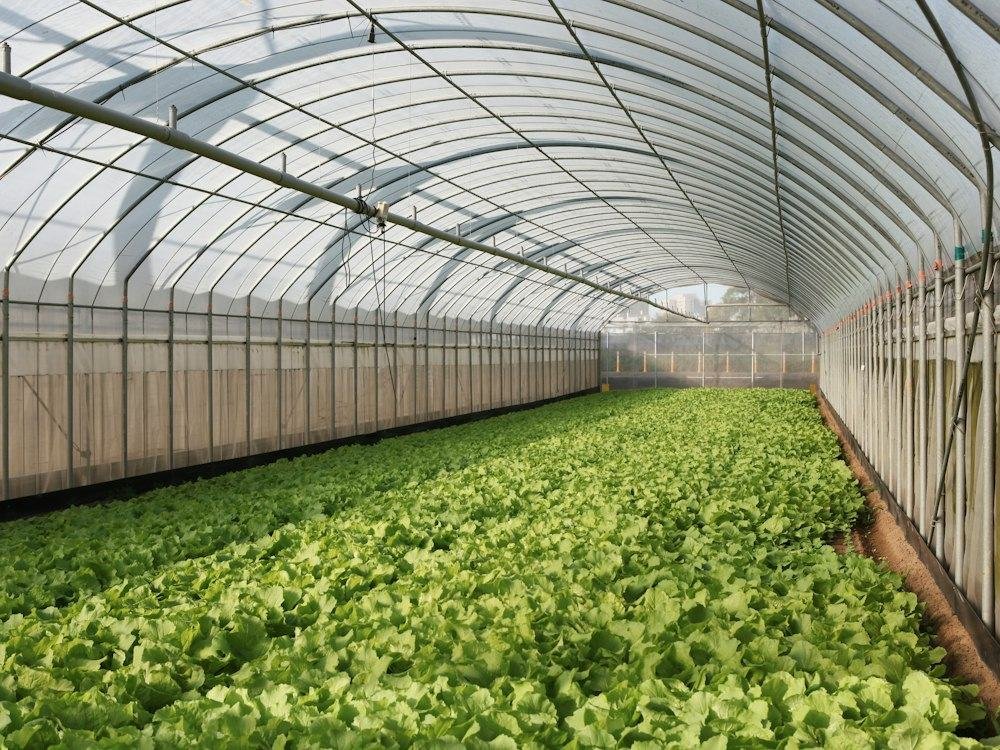
Protected cultivation and hydroponics
Greenhouses and, where proven, hydroponics for water-efficient production.
View details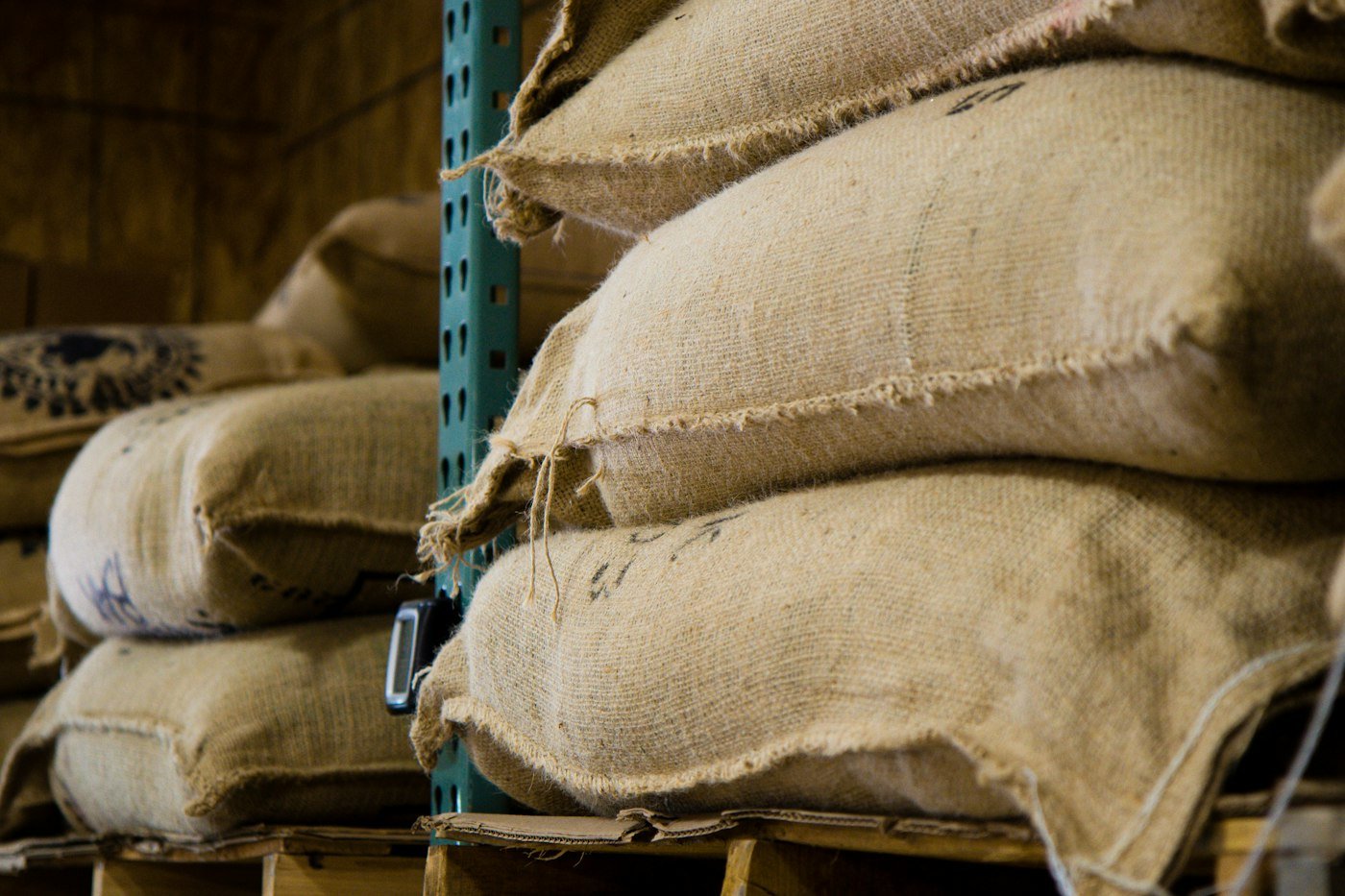
Safe grain and seed storage
Dry, clean storage that protects the crop after harvest.
View details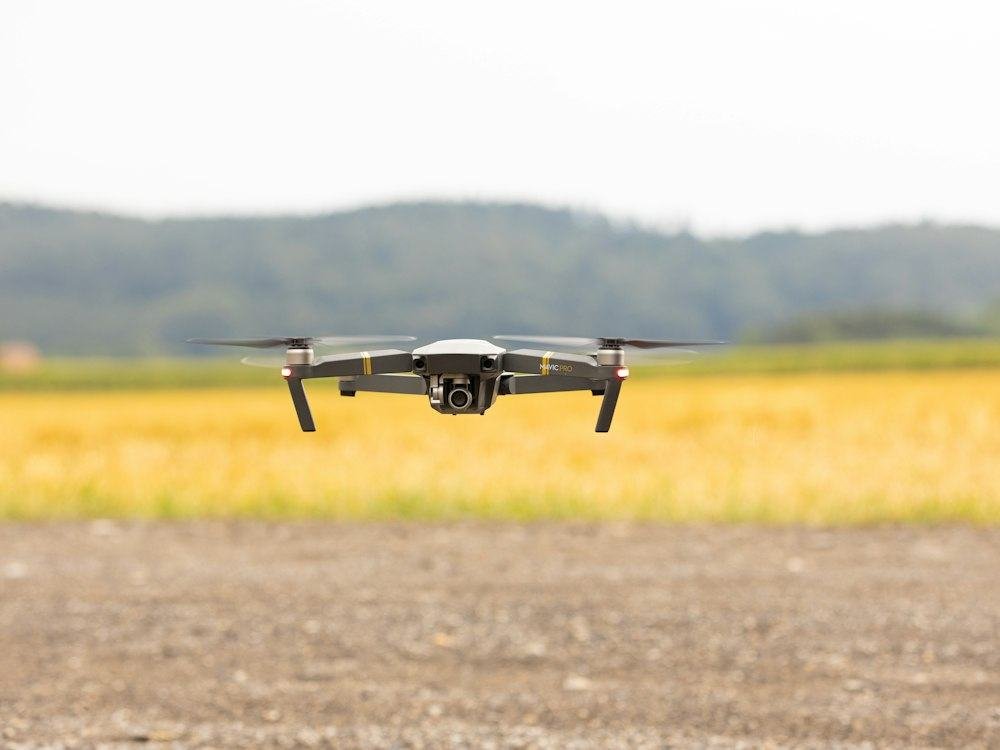
Drones and field mapping
Drone mapping and spraying for large fields, where it pays.
View details