Safe Grain and Seed Storage
Much of the harvest can be lost after the field. Drying, clean bags and the right storage protect both quantity and quality.
Insects, moulds and aflatoxin build up when grain is stored damp or in dirty, humid places. Groundnut and maize are especially at risk.
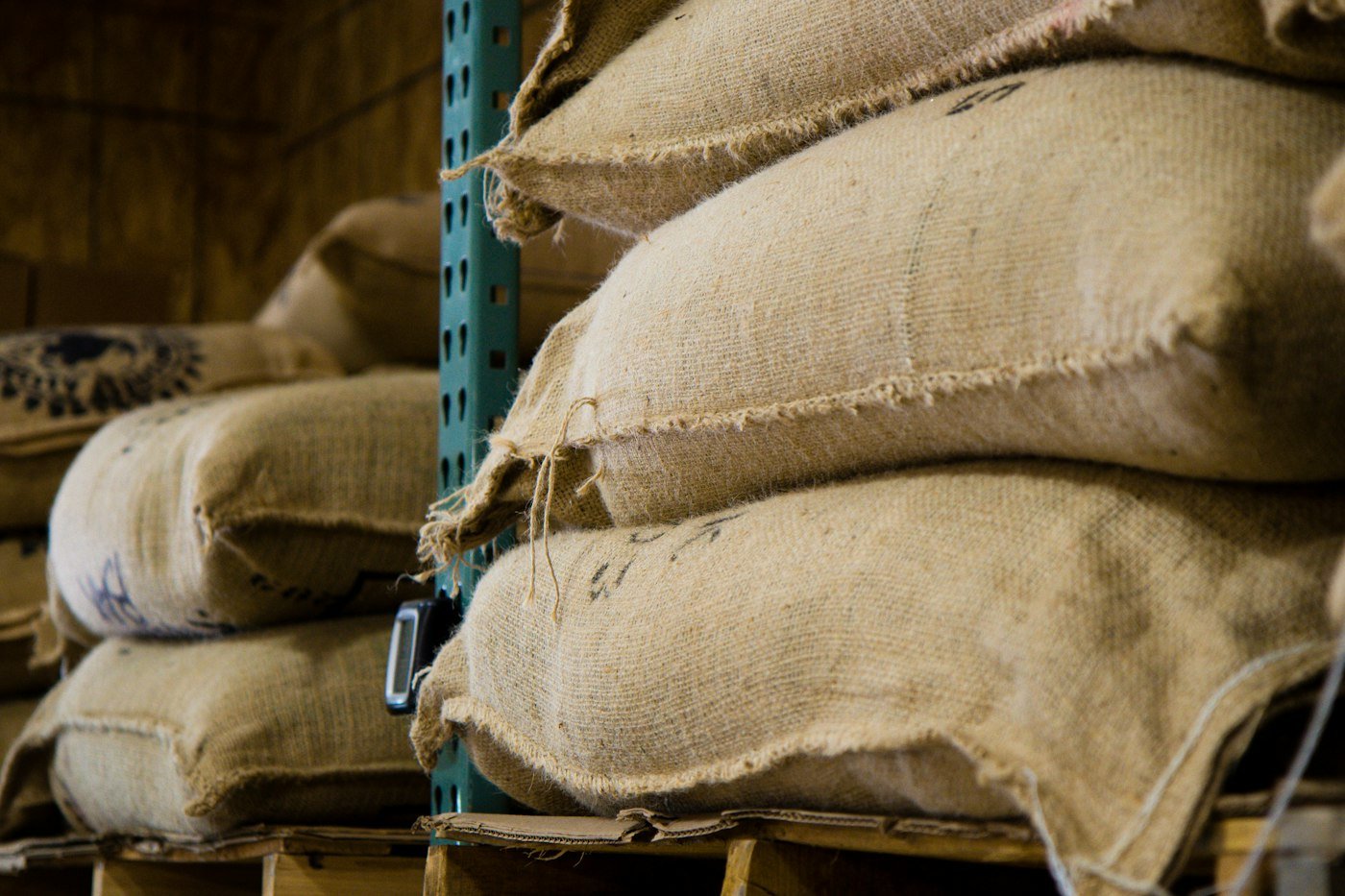
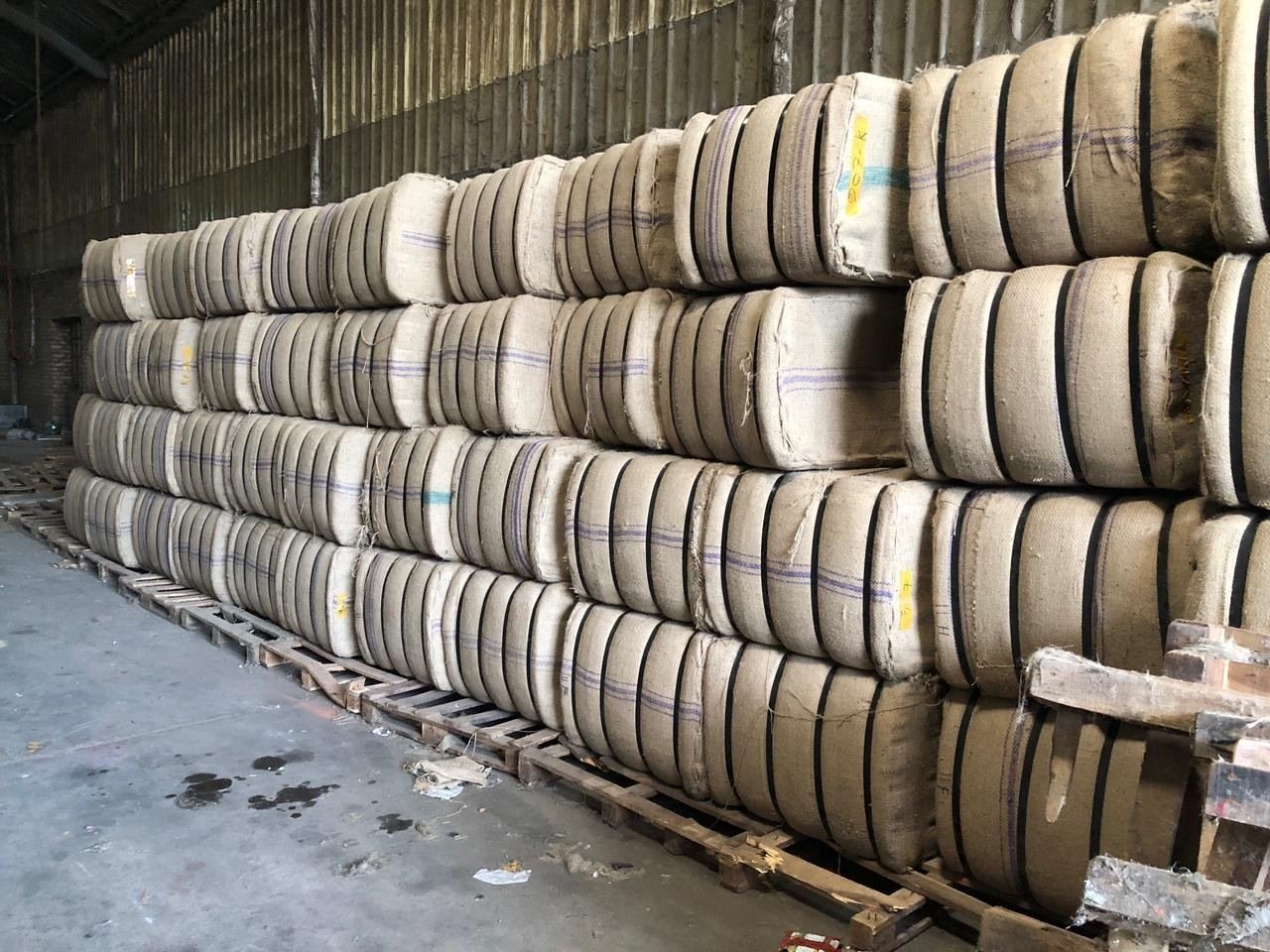
The basics work: dry to a safe moisture, use clean bags, stack on pallets in a ventilated store, and inspect often. Hermetic (airtight) bags and liners are an option for seed and high-value grain.
Key points
- Dry to safe moisture before storage
- Clean, sound bags stacked on pallets
- Hermetic liners for seed and sensitive crops
- Regular inspection
Where it fits
- Groundnut and maize (aflatoxin risk)
- Sesame and pulses for export
- Seed stores
- Cooperatives and traders
- Smallholder storage
How it works in practice
- Dry the crop thoroughly.
- Clean the store and bags first.
- Stack with air gaps and off the floor.
- Inspect and rotate stock.
Honest advice
- Keep the store dry and rodent-proof.
- Do not store fertilizer or chemicals beside grain.
- Discard mouldy lots.
Photos
Frequently asked questions
What moisture is safe?
It depends on the crop; as a rule, drier is safer. Ask us for the figure for yours.
Are hermetic bags worth it?
For seed and high-value crops, often yes.
Can jute bags be used?
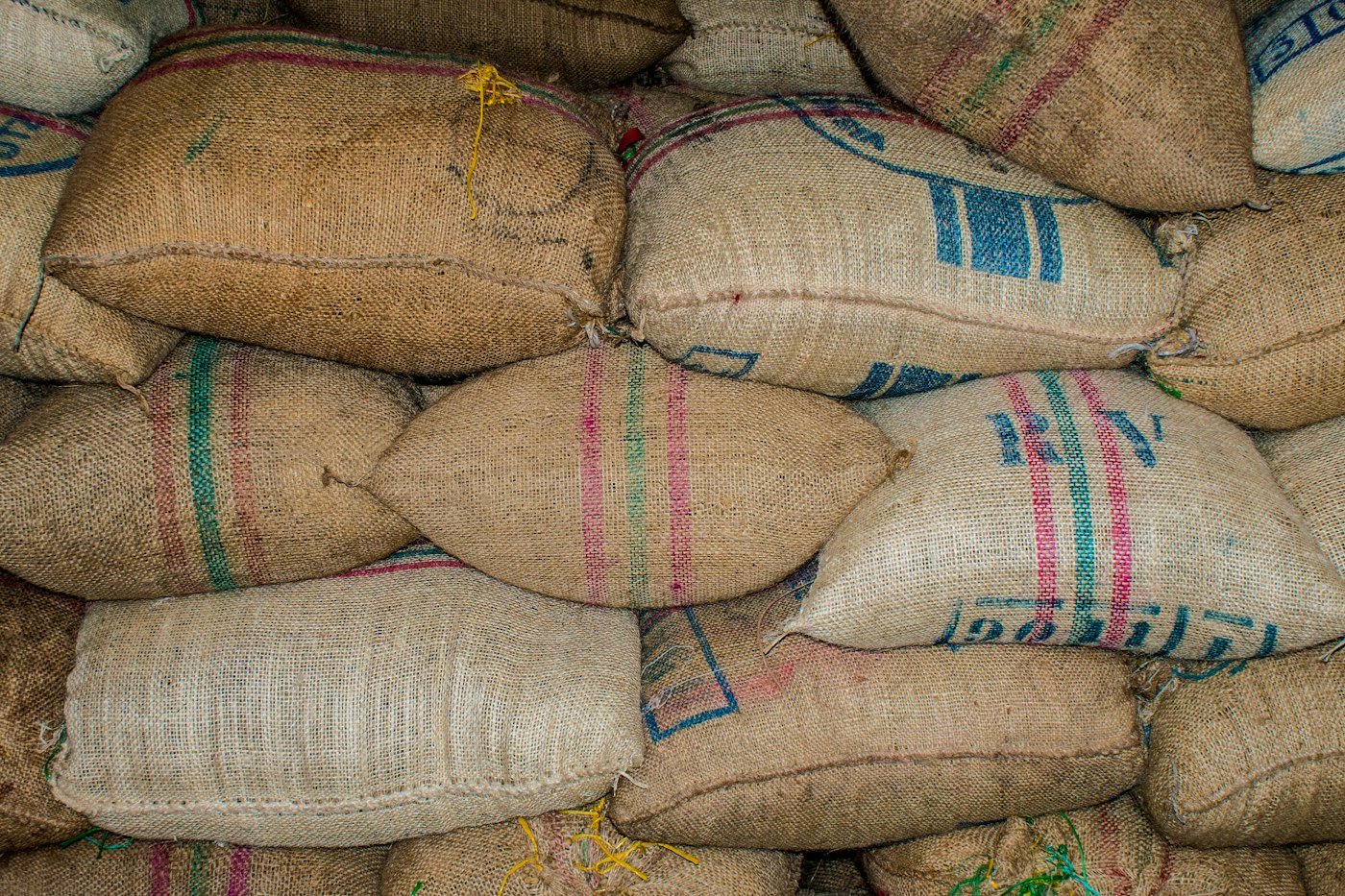
Yes, in a dry ventilated store; they breathe.