
Solar-Powered Irrigation Pumping
Hot-climate regions have some of the best sunshine in the world. Solar pumping turns it into cheaper, quieter, lower-maintenance irrigation.
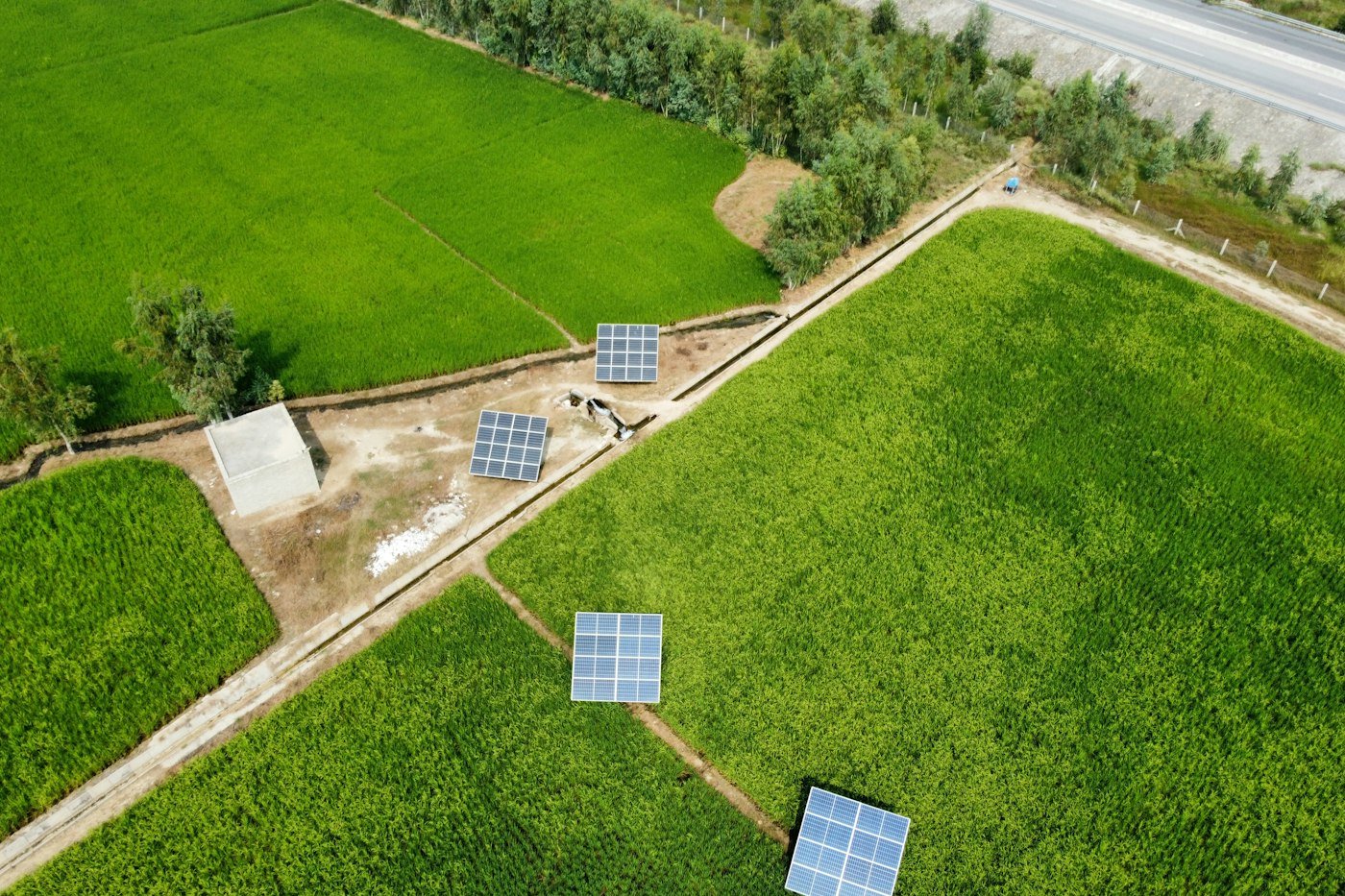
A solar pump runs when the sun shines, which is exactly when crops need water most. Without fuel to buy, haul or steal, running cost falls to almost nothing once the system is paid for.
Solar suits boreholes and remote fields best. We size the panels and pump to your water need and pumping depth and combine them with storage tanks or drip irrigation.
Key points
- No fuel cost; low maintenance
- Works with boreholes, wells and surface water
- Pairs well with drip and storage tanks
- Panels typically last many years
Where it fits
- Remote farms far from the grid
- Boreholes now powered by expensive diesel
- Drip-irrigated orchards and vegetables
- Livestock and drinking water
- Cooperatives sharing a pump
How it works in practice
- Measure water demand and pumping depth.
- Size panels and pump; add a tank for cloudy hours.
- Install with protection against theft and dust.
- Clean panels regularly.
Honest advice
- Wipe dust off panels in dry season.
- Check wiring and mounts yearly.
- Keep the pump inlet clean.
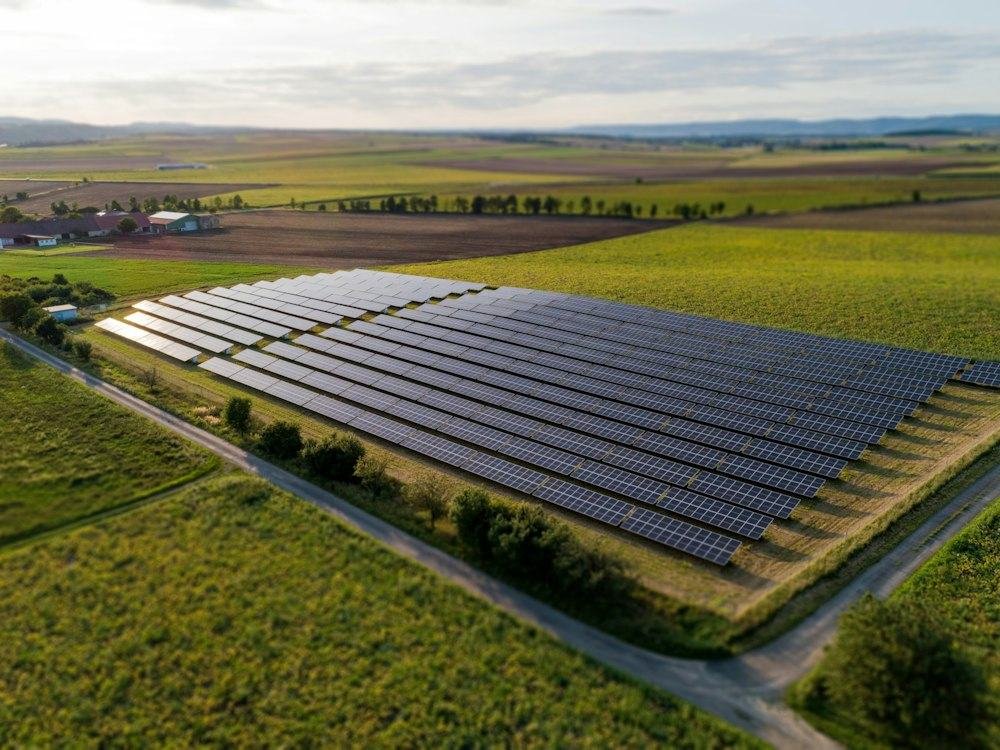
Photos

Frequently asked questions
Does it work at night?
Pumps run in daylight; a tank stores water for the evening.
Is it worth the cost?
Payback depends on current diesel use; we help you estimate it.
Can it replace my diesel pump entirely?
Often, with a tank or hybrid backup.
Related
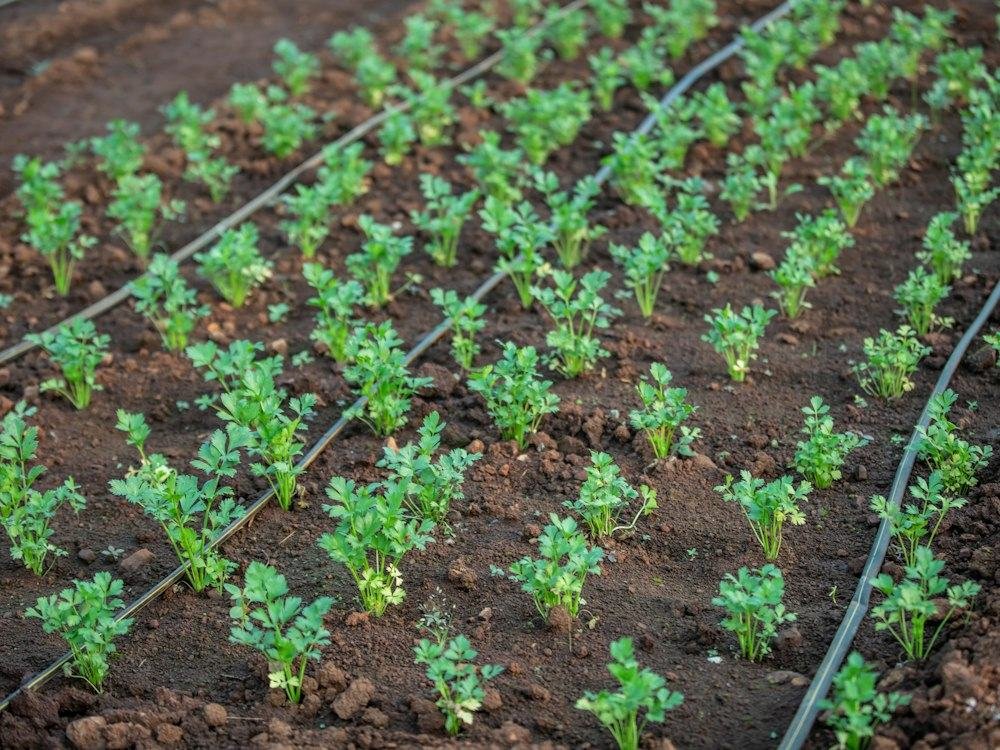
Drip irrigation and fertigation
Water and fertilizer delivered to the roots in measured amounts.
View details
Soil moisture and weather monitoring
Simple sensors that tell you when to irrigate and when to spray.
View details
Protected cultivation and hydroponics
Greenhouses and, where proven, hydroponics for water-efficient production.
View details