
Between the field and the wholesale market a crop can lose a surprising share of its value: spoilt by rain, short-weighted by mixed bags, torn on a loading ramp. Good bagging and transport habits cost little and protect the price.
Choose the bag for the crop
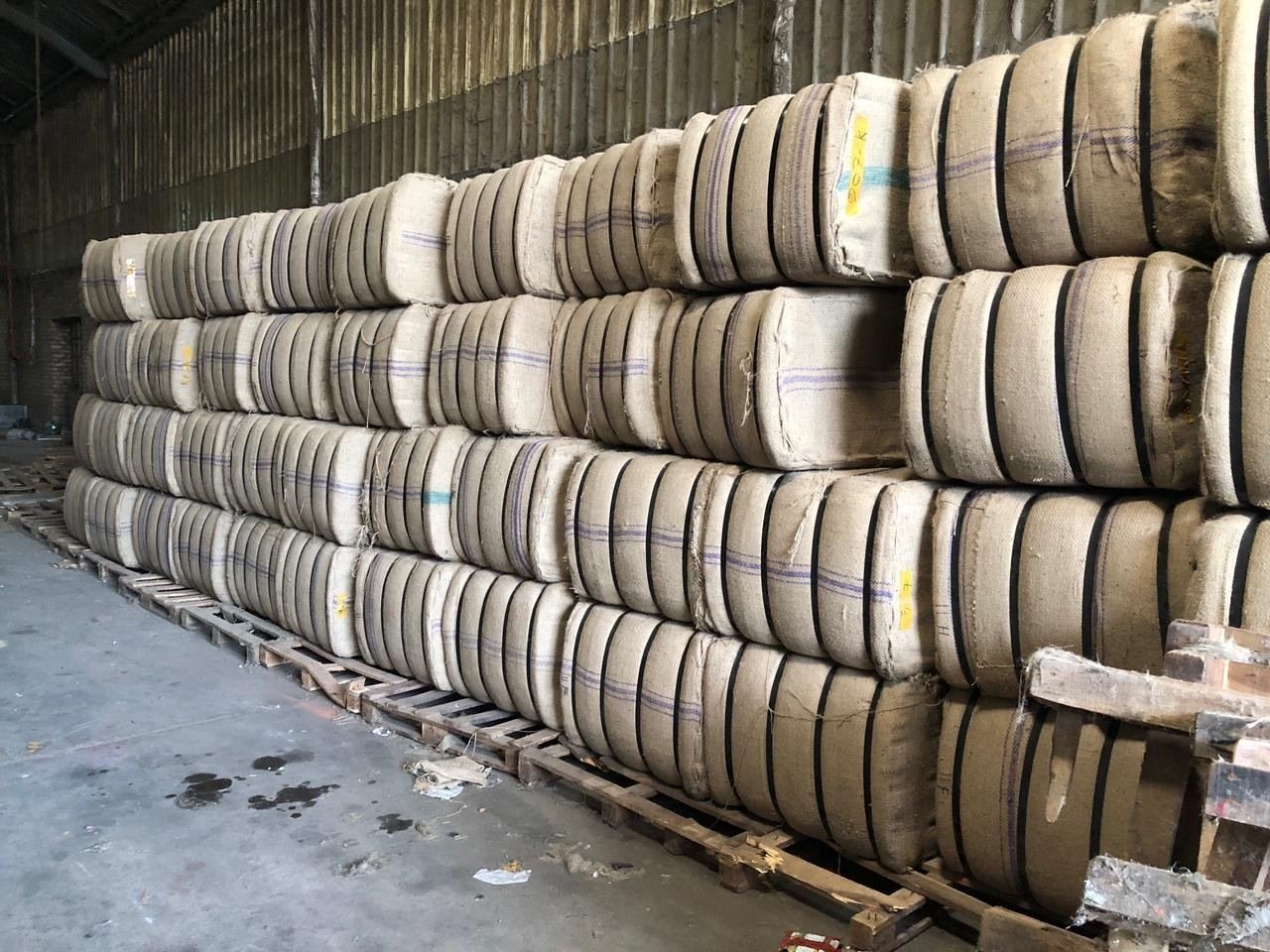
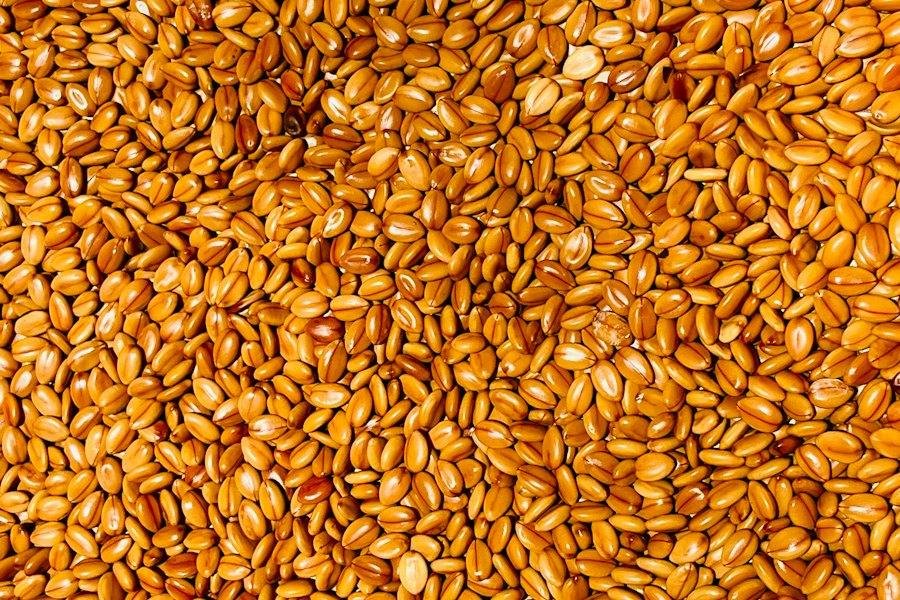
- Grain and seed (sorghum, millet, sesame, groundnuts): jute sacks that breathe and carry 50 to 100 kg.
- Potatoes, onions and root vegetables: open-weave jute sacks that ventilate and do not trap heat.
- Fine seed: tight-weave jute to stop leakage.
Weigh and label every bag
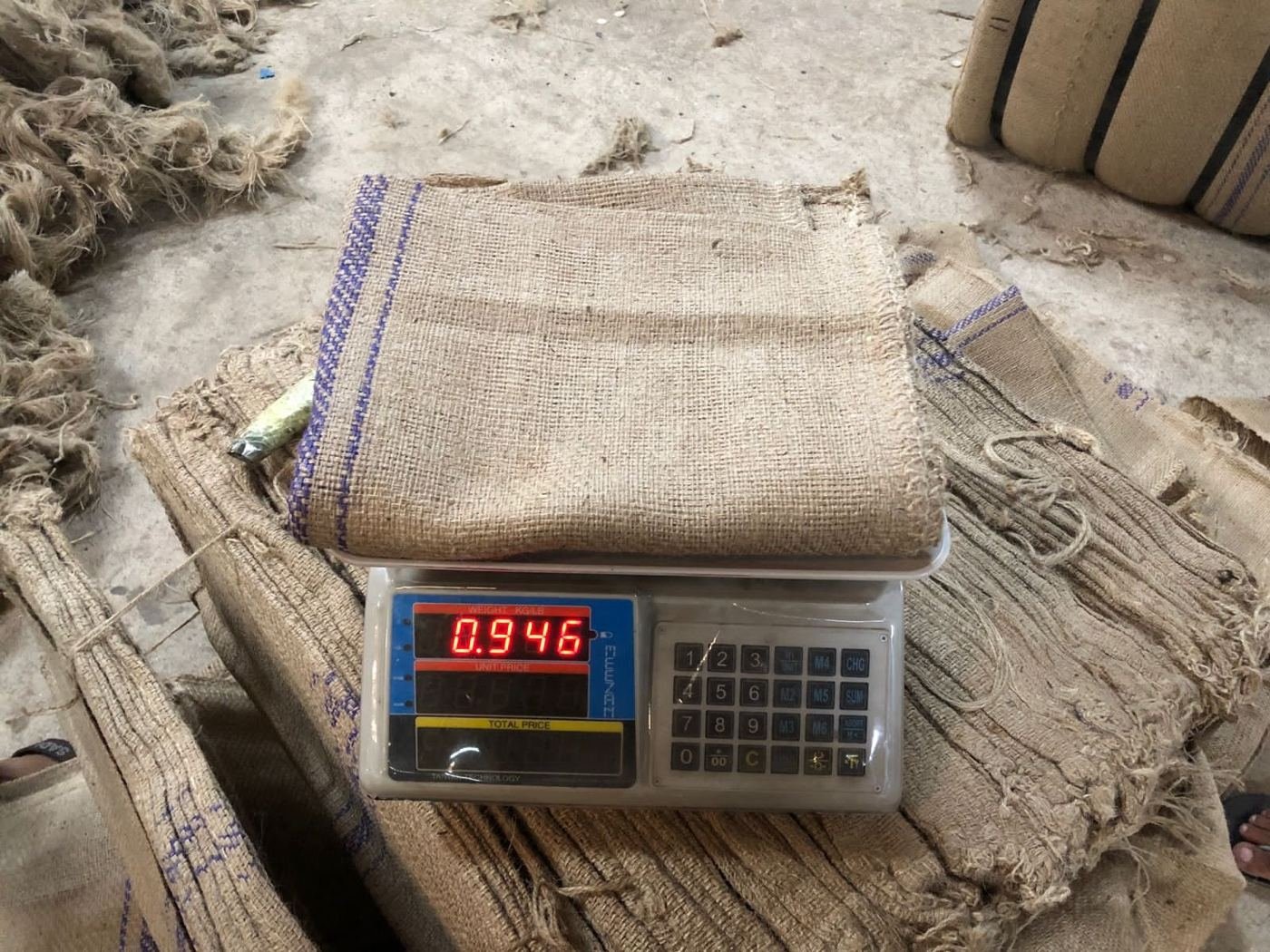
Fill to a standard weight and check each bag on a scale. Write the crop, grade, weight and lot on the sack. A buyer who finds the weights as marked trusts the rest of the load.
Sew the mouth properly
A well-stitched mouth does not open on the road. Use strong thread and a firm, even stitch.
Load the truck well
- Heaviest bags on the bottom, evenly across the bed.
- Stack in a pattern that locks (alternate directions) and does not lean.
- Cover the whole load with a tarpaulin and tie it down.
- Never use hooks on bags; lift or slide them to avoid tears.
Plan the journey
Leave early to arrive before the market's busiest hours, carry the paperwork the market or checkpoint expects and agree on unloading and weighing before you start.
Reduce losses everywhere
Every spilt bag, wet bag and short-weight bag is money lost. Reuse sound jute bags only when they are clean and undamaged, and keep a few spare bags and thread on every trip.
For bulk supplies of jute bags made in Bangladesh, see our page, then contact Al-Khair.
Have a question, or need agricultural advice?
Contact us