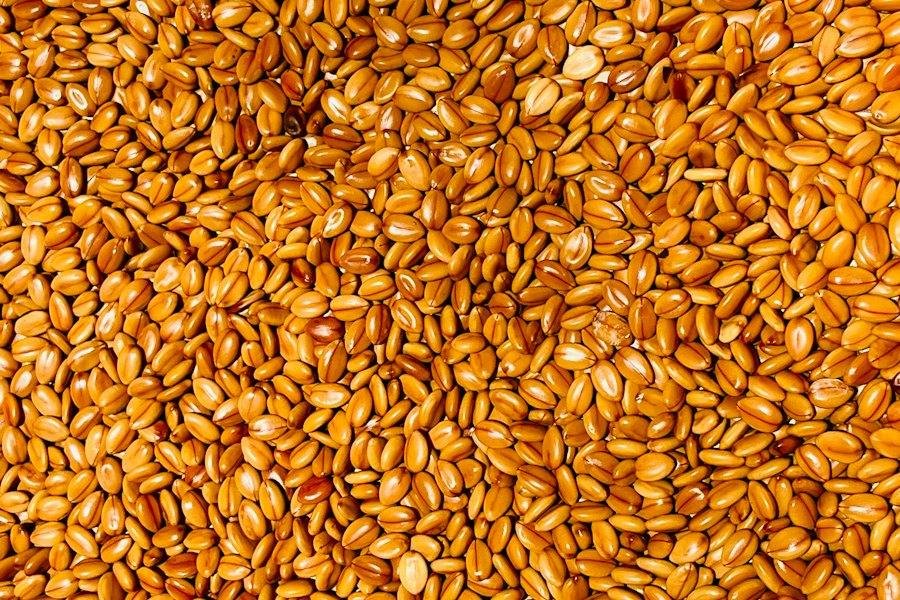
Sesame is one of the most important cash crops in Sub-Saharan Africa, and almost all of it travels in bags: from the farm to the village buyer, to the wholesale market and finally into the container. Most of the quality that buyers pay for is decided in the last week before the bag is sewn shut.
Dry it properly first
Sesame seed is stored and exported at about 6% moisture. Above that it heats, goes rancid and loses the clean taste that processors pay for. Dry the cut stalks until the capsules open, thresh on a clean tarpaulin, then spread the seed thin and turn it until it is dry. Never dry on bare soil: sand and stones end up in the bag.
Clean before you bag
Buyers grade sesame on purity, colour and oil content. Winnow or sieve out capsule pieces, stalks, sand and weed seed. Cleaner seed gets a better price, and the extra work costs far less than the discount.
Why jute
Jute is woven from a natural fibre that lets the seed breathe, so small moisture changes do not turn into mould. Jute sacks also stack well, do not slip on a truck bed and are accepted by buyers and ports everywhere. Because sesame is a fine seed, choose a tightly woven, undamaged bag with no holes, and sew the mouth with strong thread so nothing leaks in transit.
Bagging and labelling
- Use clean bags that never held fertilizer or chemicals.
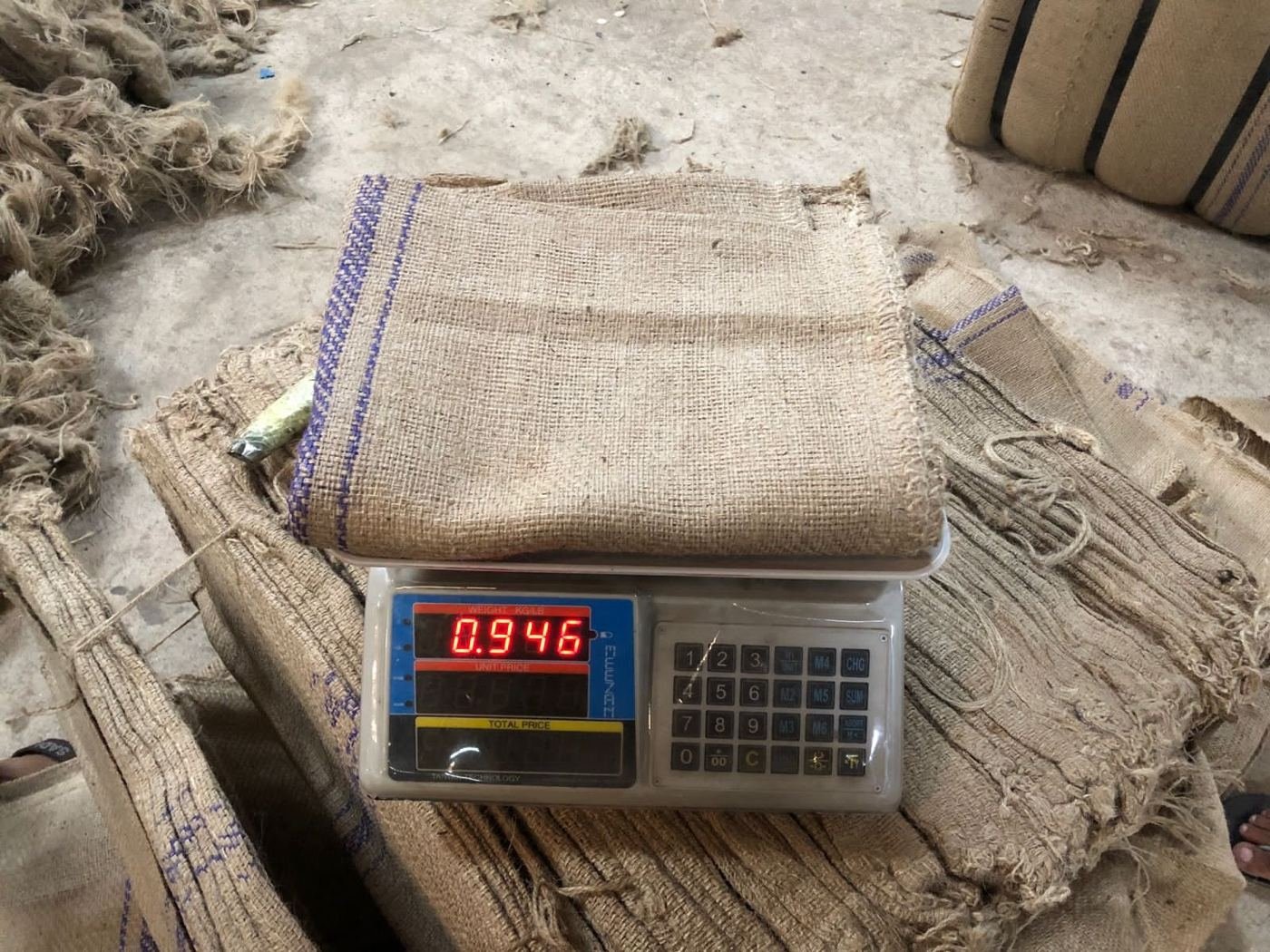
- Fill to a standard weight and weigh every bag; mixed weights cause disputes at the buyer's scale.
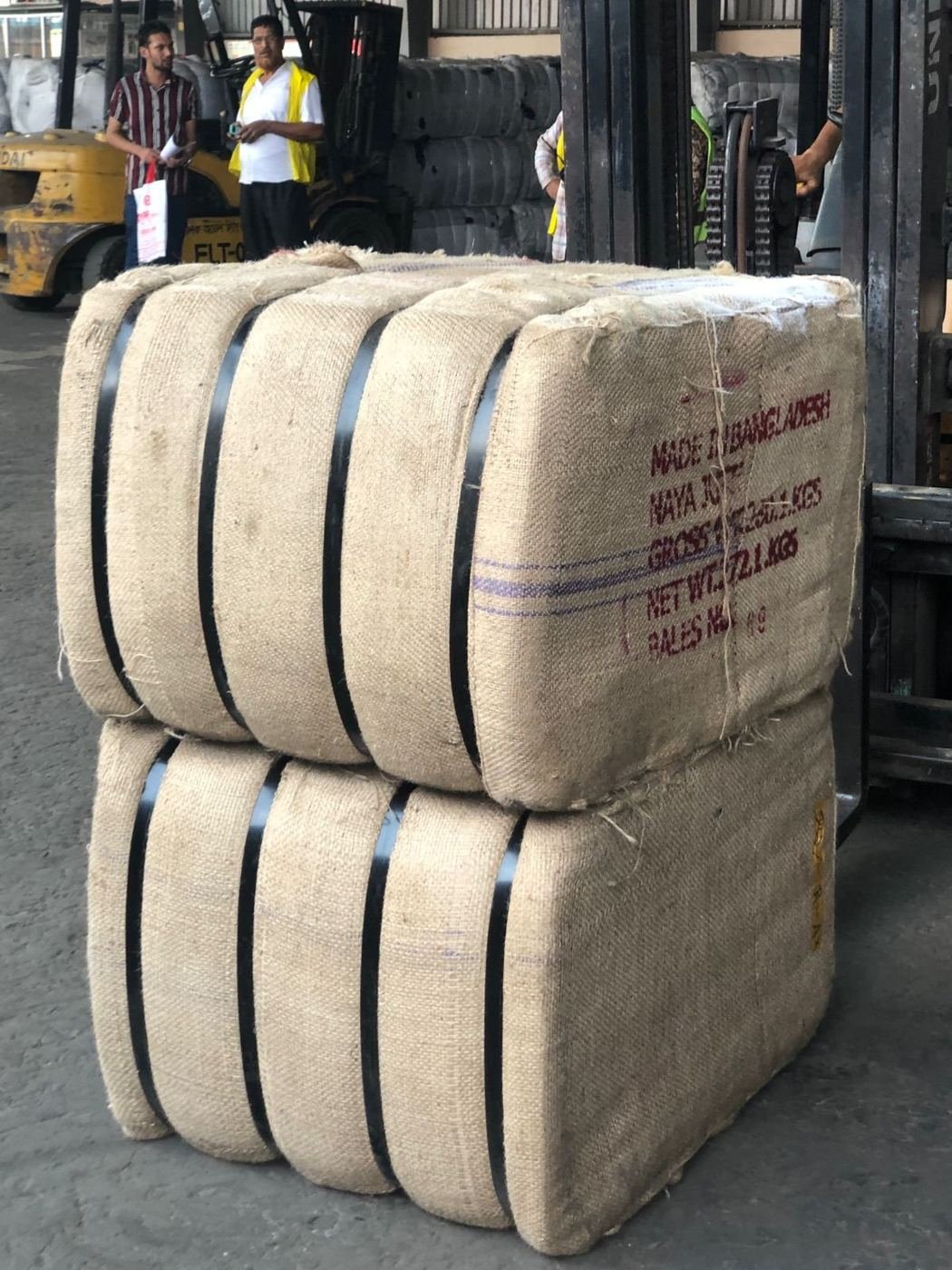
- Mark the bag with variety or grade, lot number, weight and origin.
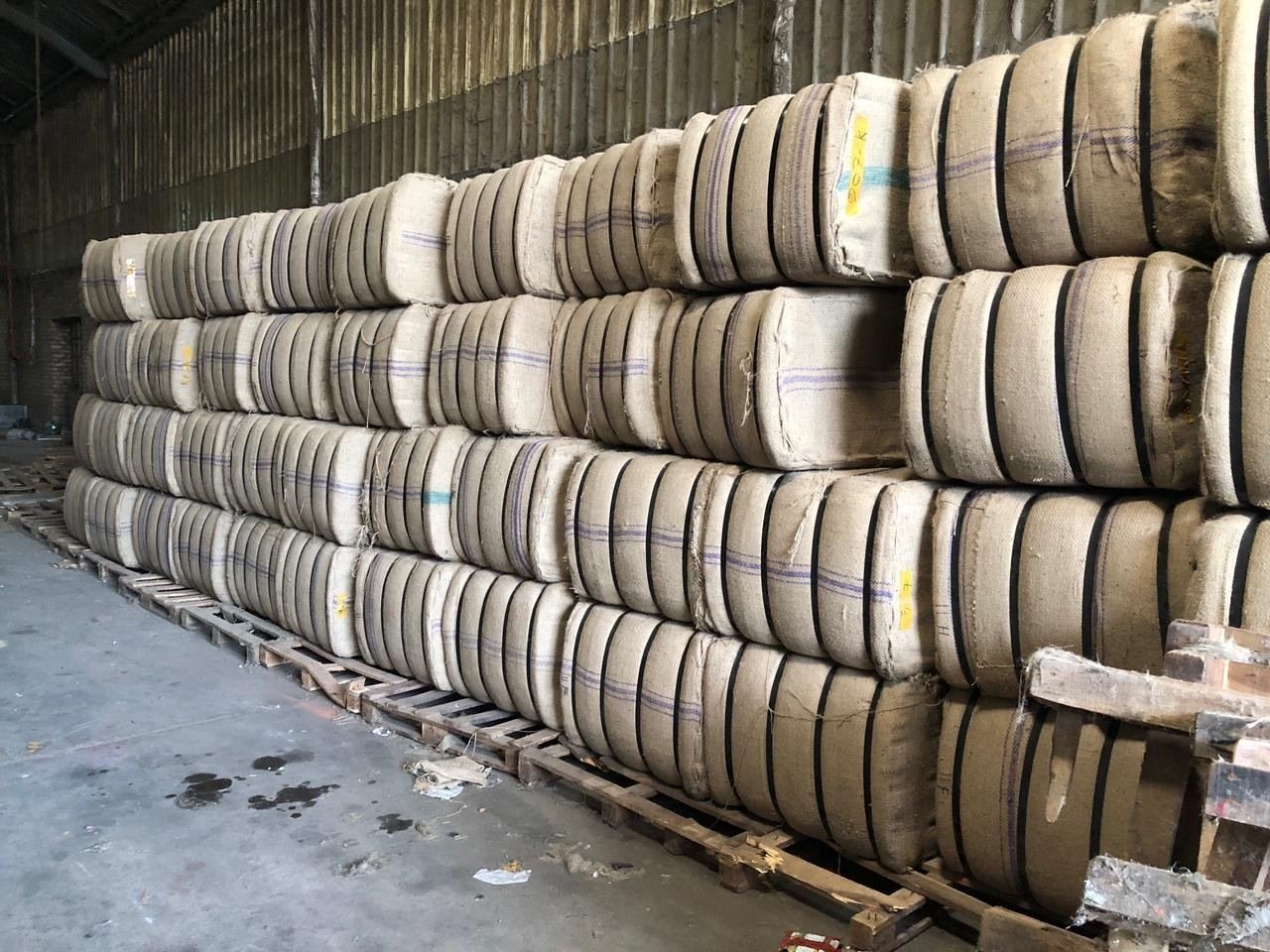
- Stack on pallets or dry boards, away from walls and floors, under a roof.
- Load onto a covered truck and keep the load dry on the road.
Plan your bags early
Order bags before the harvest, not during it. Al-Khair supplies jute bags made in Bangladesh in the sizes sesame buyers expect, and can advise on quantity for your harvest. Contact us for a quotation.
Have a question, or need agricultural advice?
Contact us