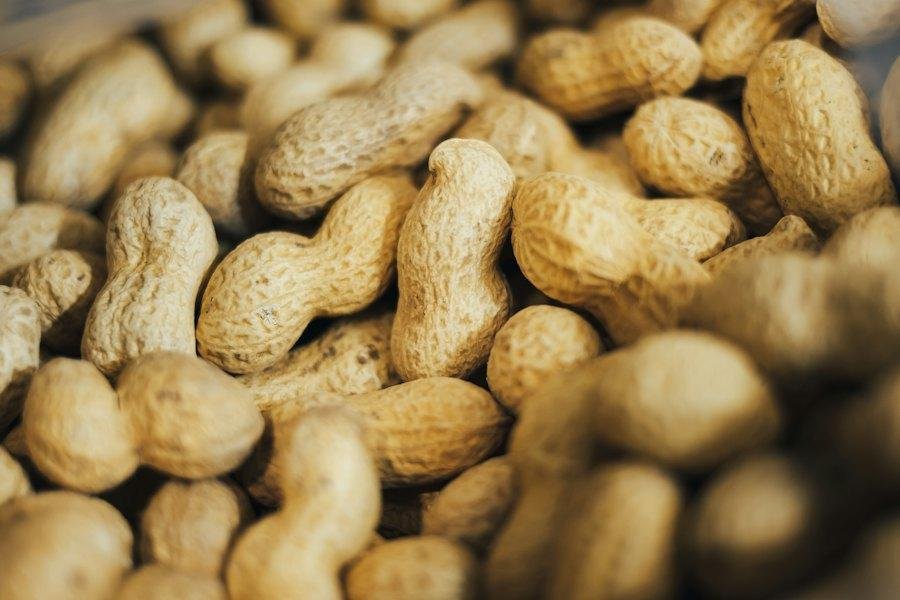
Groundnuts (peanuts) feed families and pay for school fees across the Sahel, West, East and Southern Africa. They are also the crop where one mistake after harvest can cost the whole sale: aflatoxin, a toxin produced by mould, is tested at the border and a failed load is rejected.
The danger is after harvest
Mould grows when pods or kernels stay damp. Lift the plants when pods are mature, let them dry in the field in windrows or stacks, then dry again after picking. Kernels should reach about 8% moisture before storage, and in-shell pods slightly higher. Do not leave nuts on bare ground at night or in the rain.
Sort before you bag
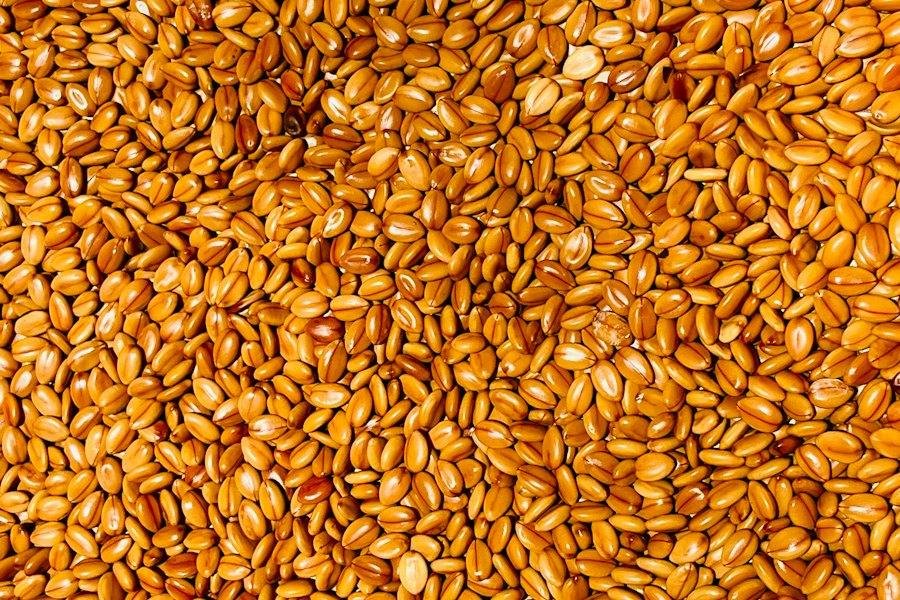
- Remove cracked, shrivelled, discoloured and mouldy kernels by hand: they carry most of the toxin.
- Keep sound, clean kernels together by size.
- Keep different varieties and lots separate.
Why jute bags
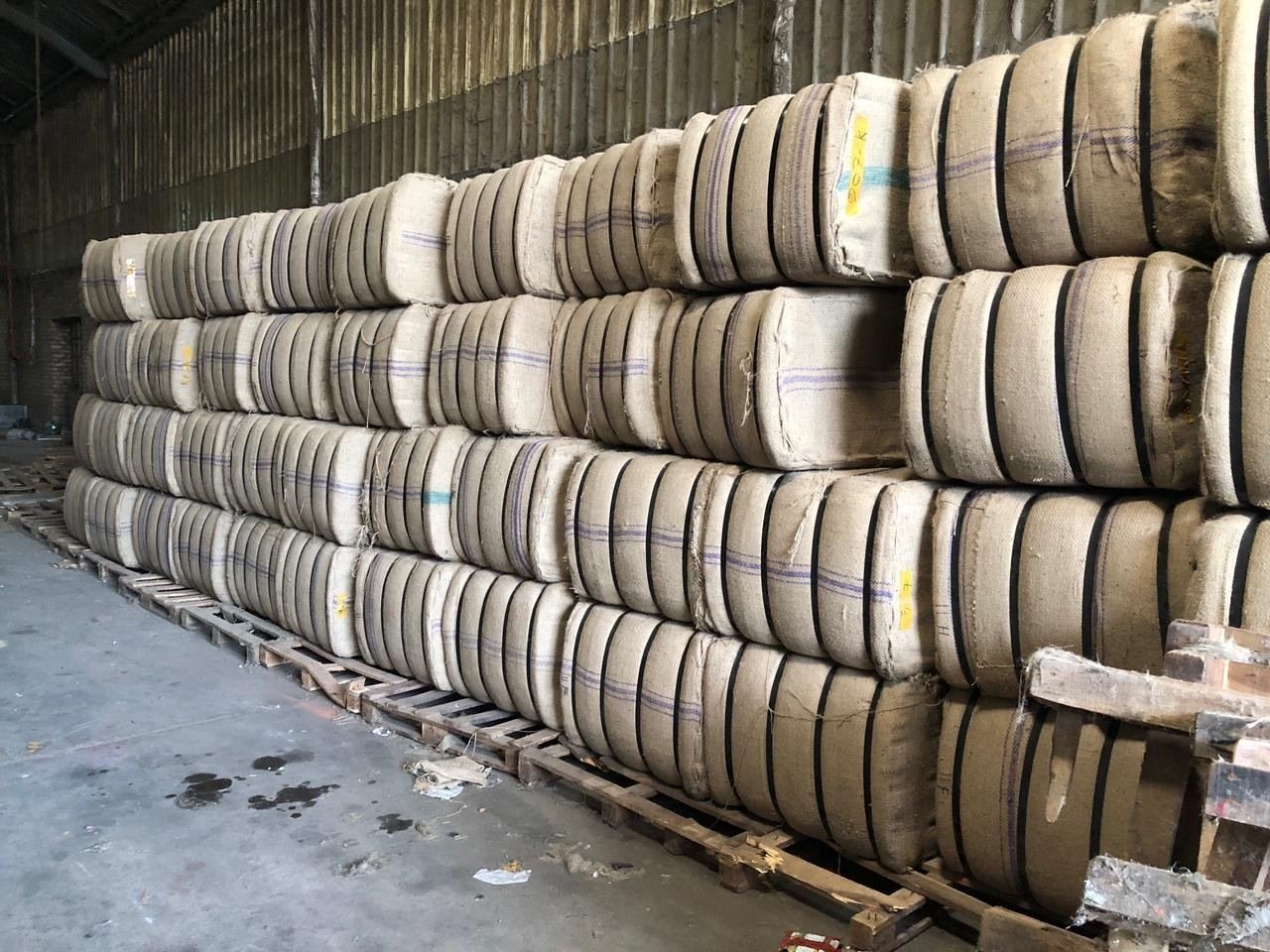
Groundnuts need to breathe. Plastic traps moisture and condensation and can turn a dry load mouldy in a few days of heat. Jute lets moisture escape, which is why it is the standard bag for groundnuts in market and export trade. A jute bag also protects the kernels from crushing when stacked high.
Storing and moving
- Stack bags on pallets or boards, never directly on a floor, with a gap from the walls.
- Store in a dry, shaded, ventilated place; check bags regularly for damp, insects and rodents.
- Move on a covered truck. Rain on an open truck is the classic cause of a rejected load.
- Use clean bags that never carried fertilizer, chemicals or fuel.
Get the right bag
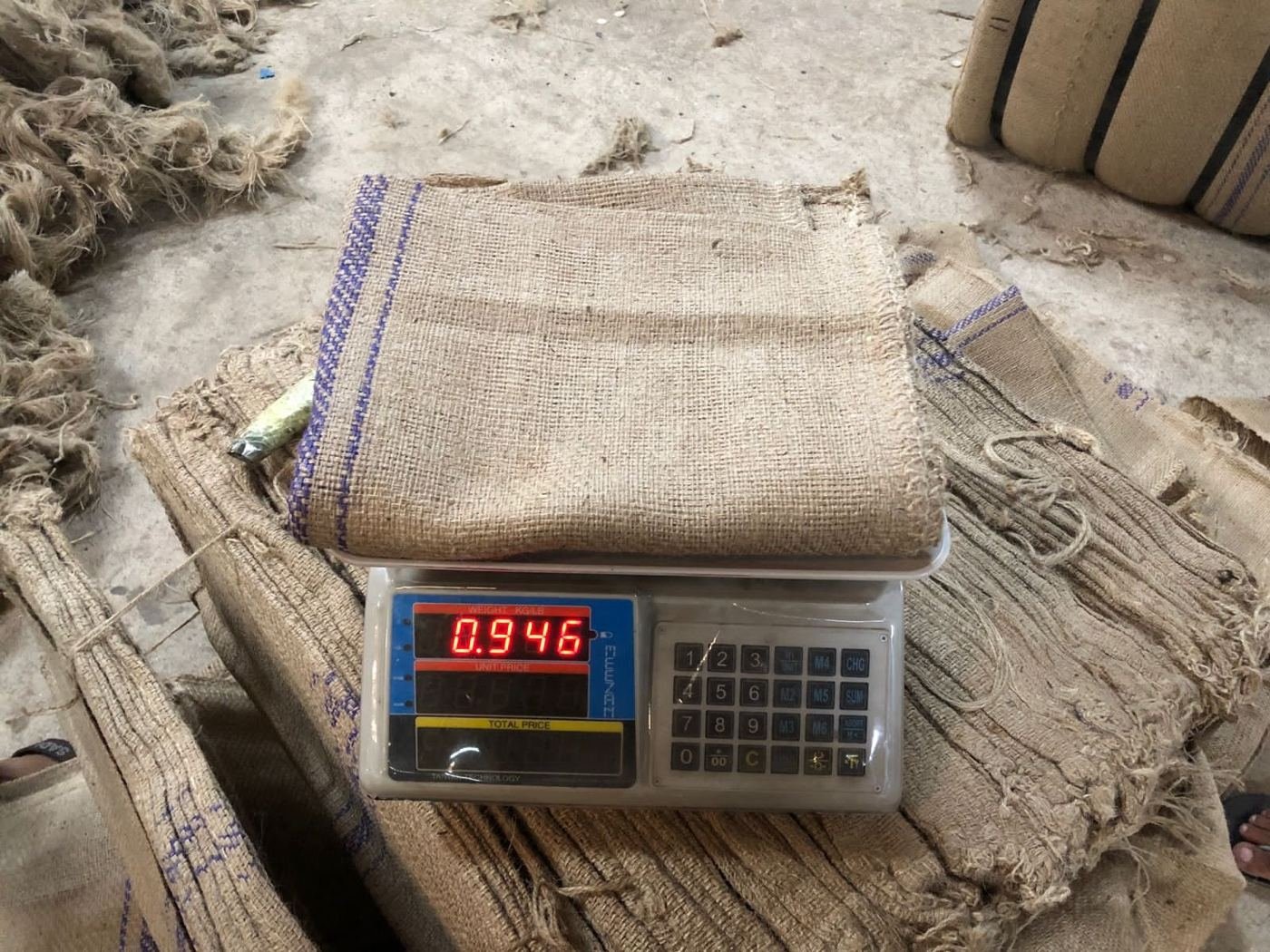
Al-Khair supplies jute bags (hessian sacks) made in Bangladesh, checked for size, weight and stitching. Read how we check each bale in our quality control guide, then contact us for prices.
Have a question, or need agricultural advice?
Contact us