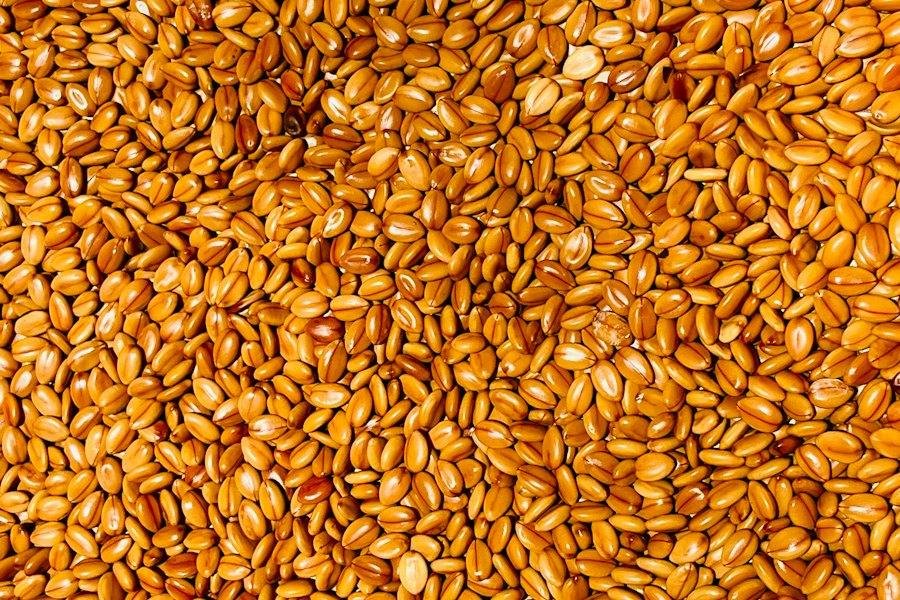
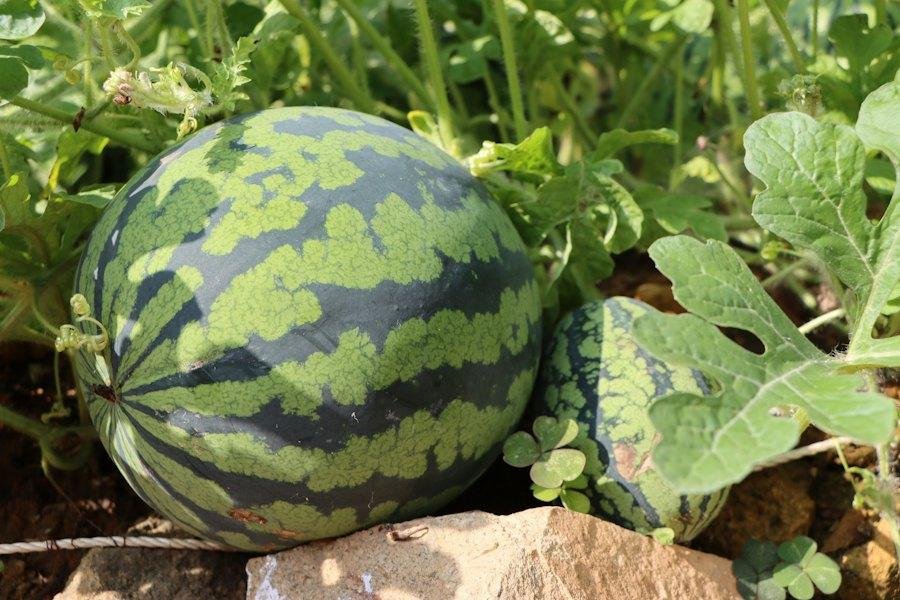
Pumpkin and watermelon seeds are often thrown away with the fruit, yet they are a valuable product in their own right: snack seeds, oil seeds and food ingredients sold in local and export markets. For a farmer who already grows the fruit, the seed is extra income from the same field.
Collect and wash
Take the seed from fully ripe fruit. Wash away pulp and sugar straight away: pulp left on the seed ferments and stains the shell, and stained seed sells for less.
Dry on a clean surface
Spread the washed seed thin on a clean mat, net or tarpaulin in the shade or gentle sun, and turn it often. Dry to about 7-8% moisture, so that a seed snaps instead of bending. Do not dry on bare soil or leave it overnight in dew.
Grade for price
- Sort by size and colour: large, even, light seed earns the best price.
- Remove broken, empty and stained seed.
- Keep varieties apart.
Bag for the buyer
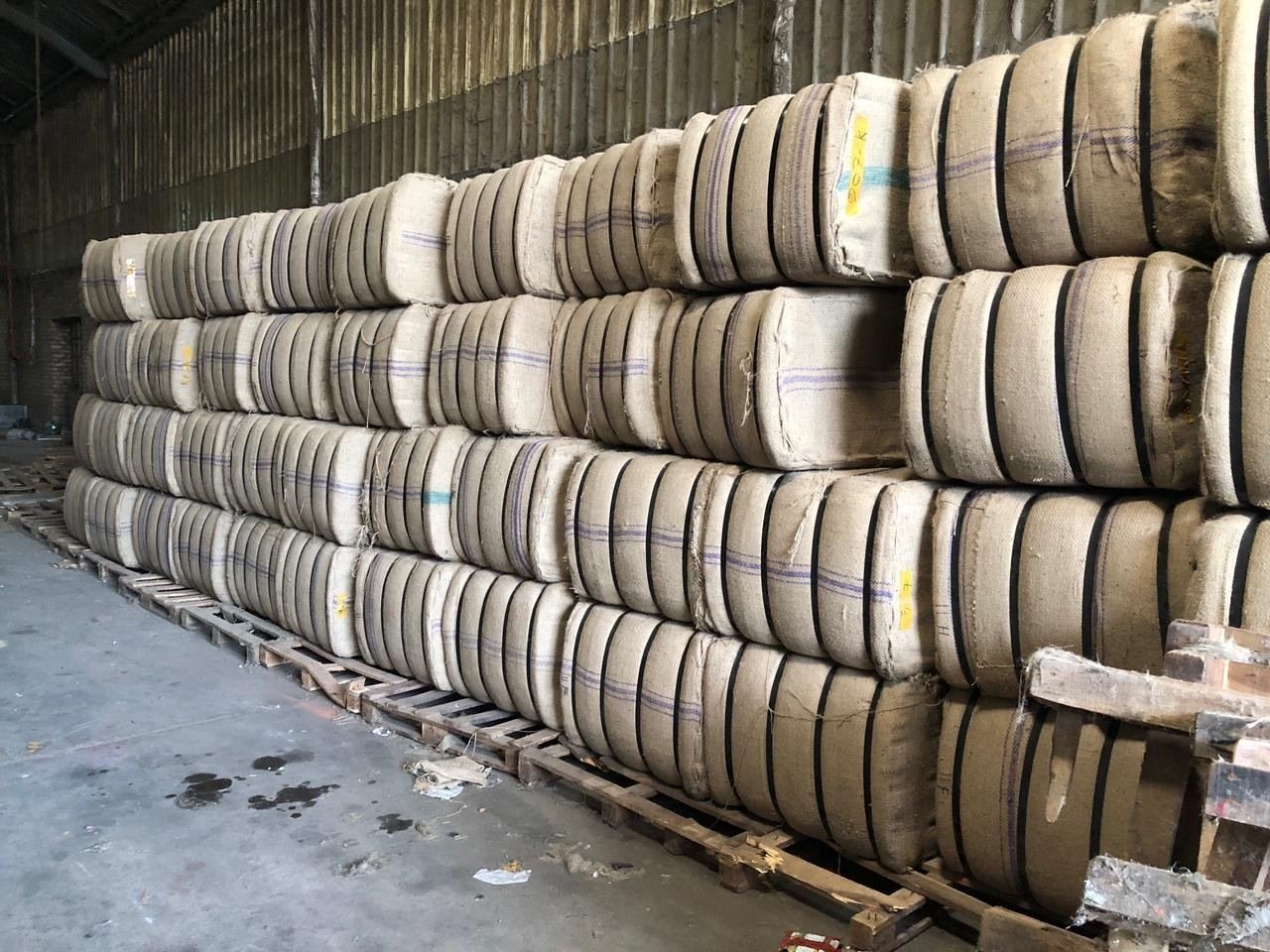
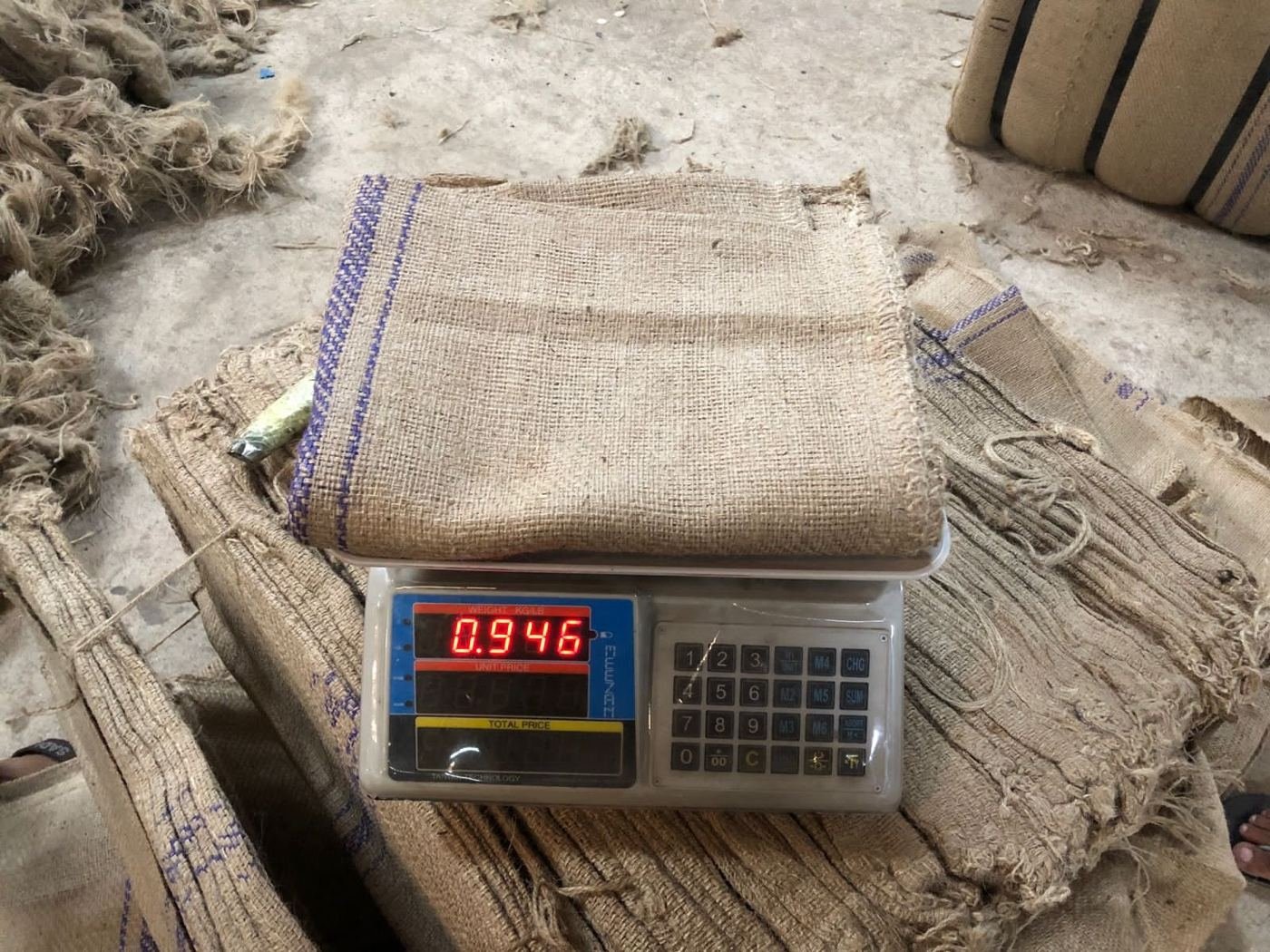
Seed is usually sold in 25 to 50 kg bags. A tightly woven jute bag lets the seed breathe, protects the shell from crushing and is accepted by buyers and ports. Weigh each bag, stitch the mouth, and mark the seed type, grade, weight and lot.
Keep it dry and away from pests
- Store on pallets in a dry, ventilated room.
- Keep bags away from walls, fertilizer and chemicals.
- Check regularly for damp, insects and rodents.
A crop worth planning
Because the seed is a by-product, many farmers lose it every season. Planning a few bags in advance and a clean drying surface turns the waste into an extra sale.
Al-Khair supplies jute bags made in Bangladesh in sizes that suit seed. Ask us for a quotation.
Have a question, or need agricultural advice?
Contact us