
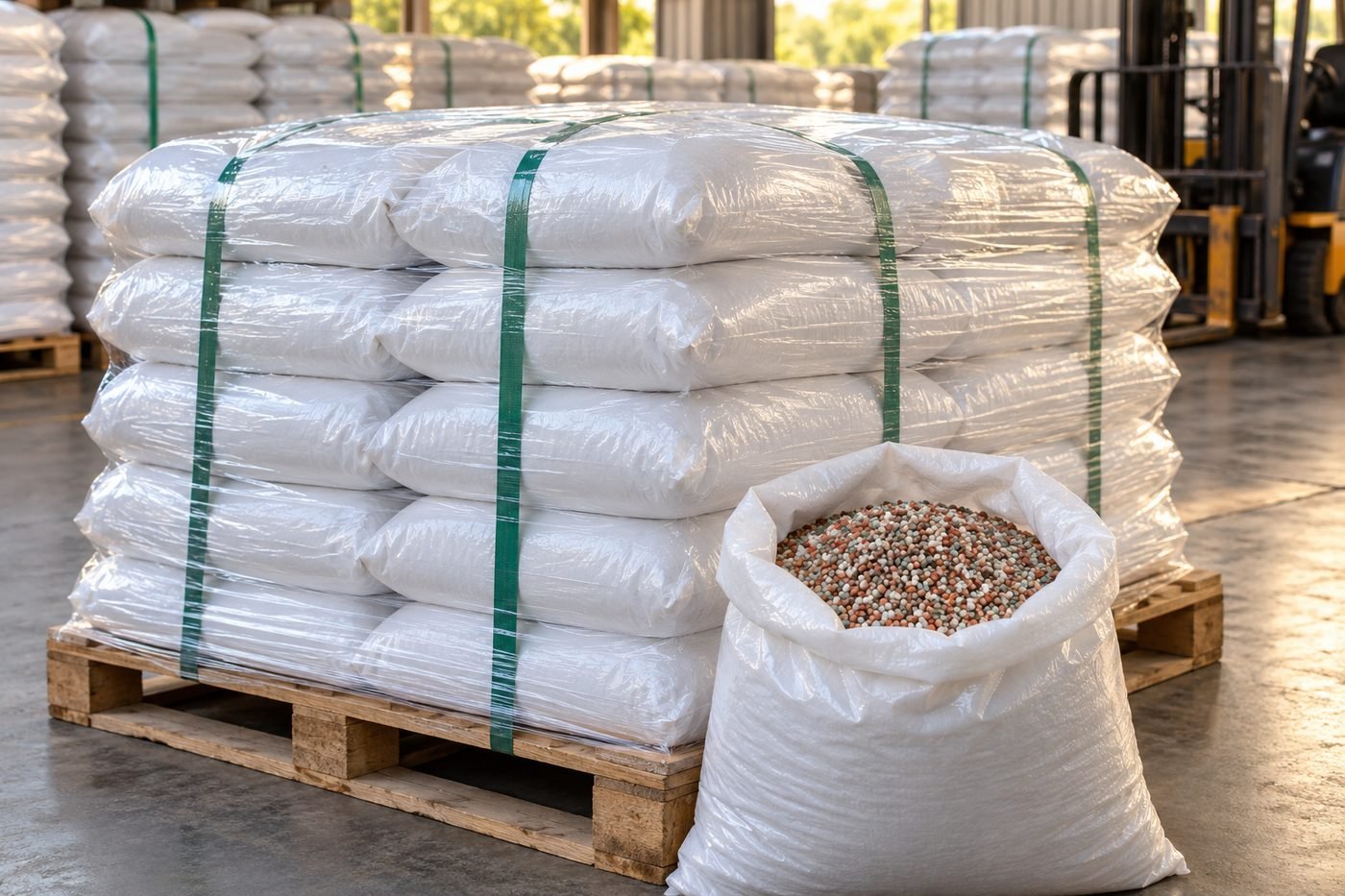
An NPK fertilizer carries nitrogen (N), phosphorus (P) and potassium (K) in fixed proportions printed on the bag, such as 15-15-15. Every granule has the same mix, so spreading is simple and even.
Choosing the grade is the real skill: leafy crops want more nitrogen, root and fruit crops more potassium, young crops more phosphorus. We help you match the grade to the crop and the soil test. Ask us which grades we can supply.
At a glance
- Grade printed on the bag, for example 15-15-15 (N-P2O5-K2O)
- Balanced feeding in one pass
- Granulated: even spreading
- Several grades available on request
Best for
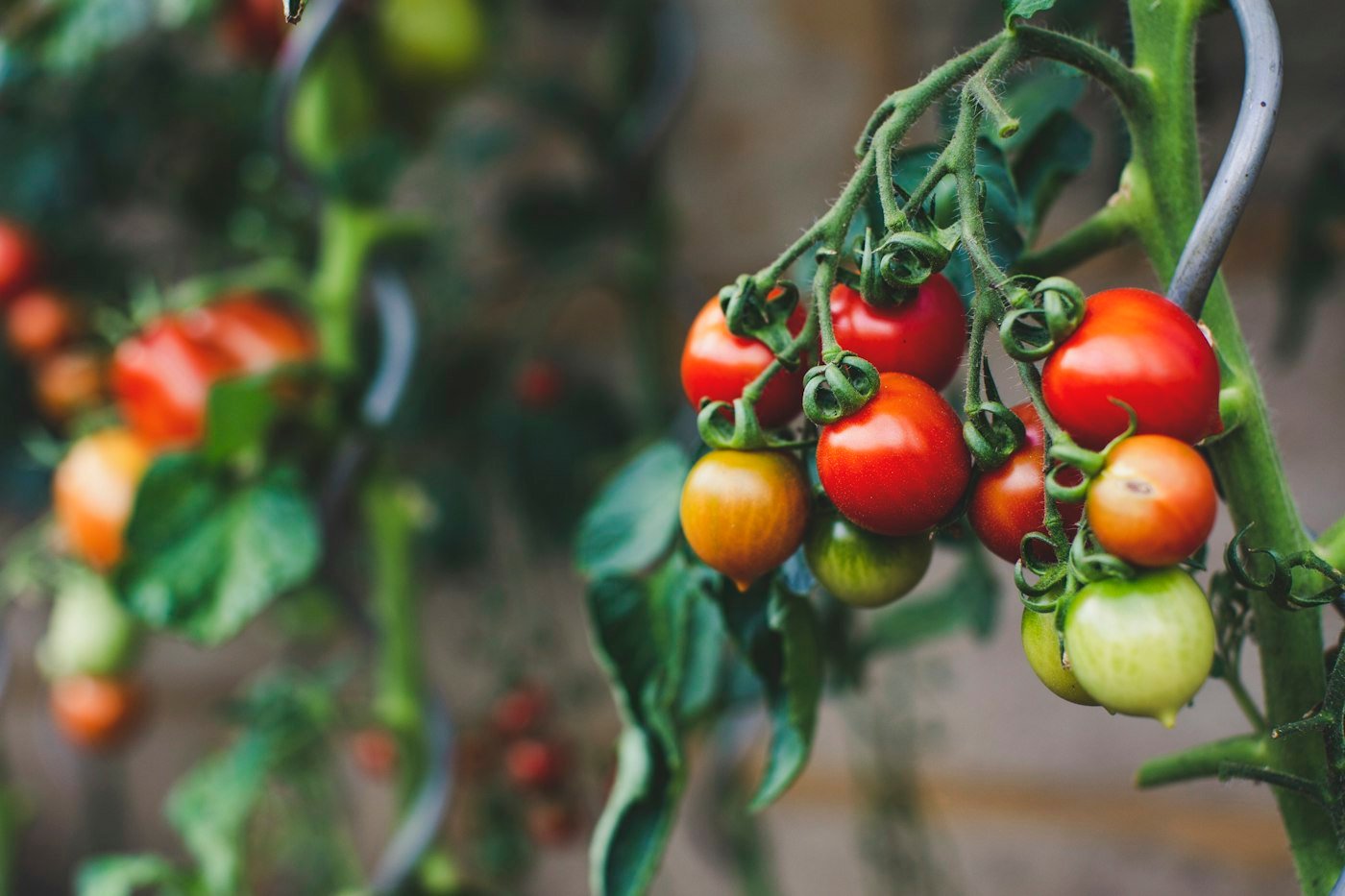
- Vegetables: tomato, pepper, onion, okra, cucurbits
- Fruit trees and date palm
- Cotton and sugarcane
- Gardens and nurseries
- Crops that show no clear single deficiency
How to use
- Use a balanced grade early in the crop's life and a nitrogen-rich or potassium-rich grade later, following the crop stage.
- Apply beside the plants or as a band, then irrigate.
- Top up nitrogen with urea if the crop needs more than the grade provides.
- Check the soil test: if phosphorus is already high, choose a grade with less of it.
Storage and care
- Keep bags sealed and dry.
- Stack on pallets away from walls.
- Do not leave opened bags in the sun.
Photos
Frequently asked questions
How do I choose between grades?
Match the grade to the crop group and soil test. Tell us the crop and stage, and we will recommend one.
Is NPK better than single fertilizers?
It is more convenient and even, but single fertilizers allow exact tuning. Many farms use both.
Can NPK replace organic matter?
No. It feeds the crop but does not build soil; combine it with compost or manure.
More articles
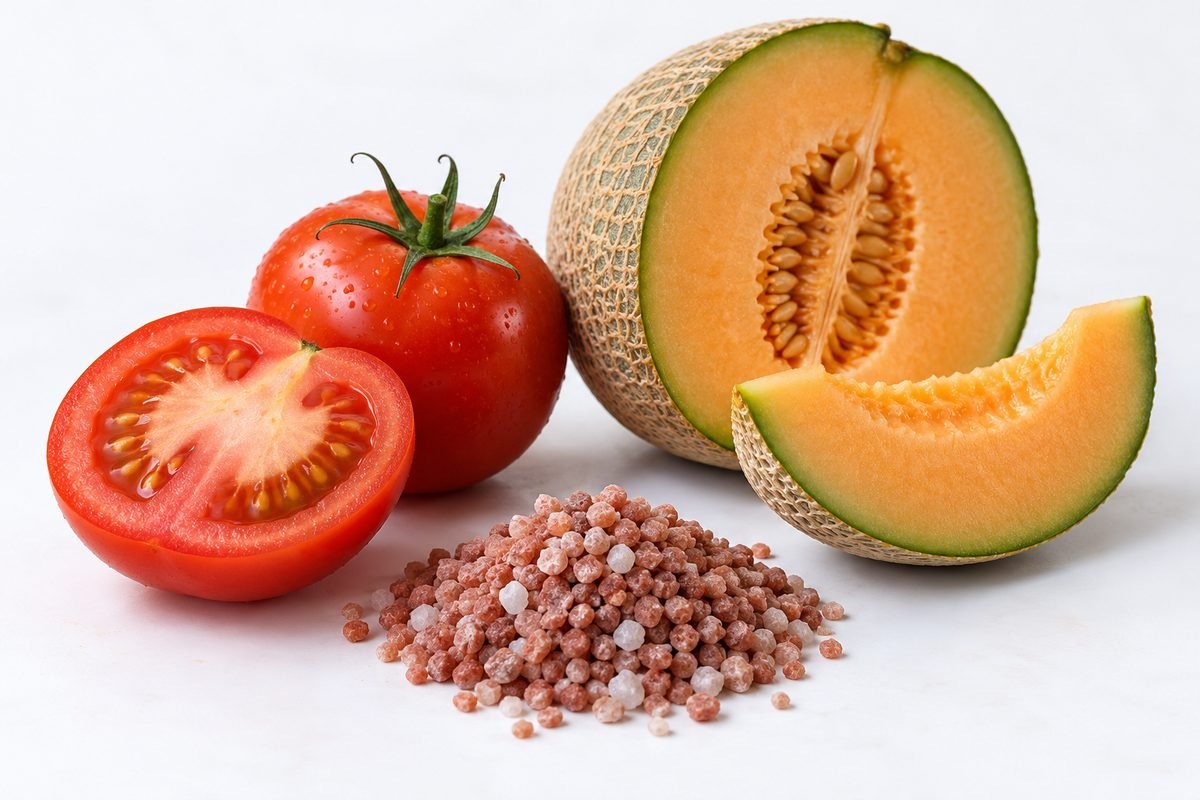
Choosing an NPK grade by crop
The three numbers on an NPK bag tell you the nitrogen, phosphorus and potassium. Here is how to match them to your crop.
Read more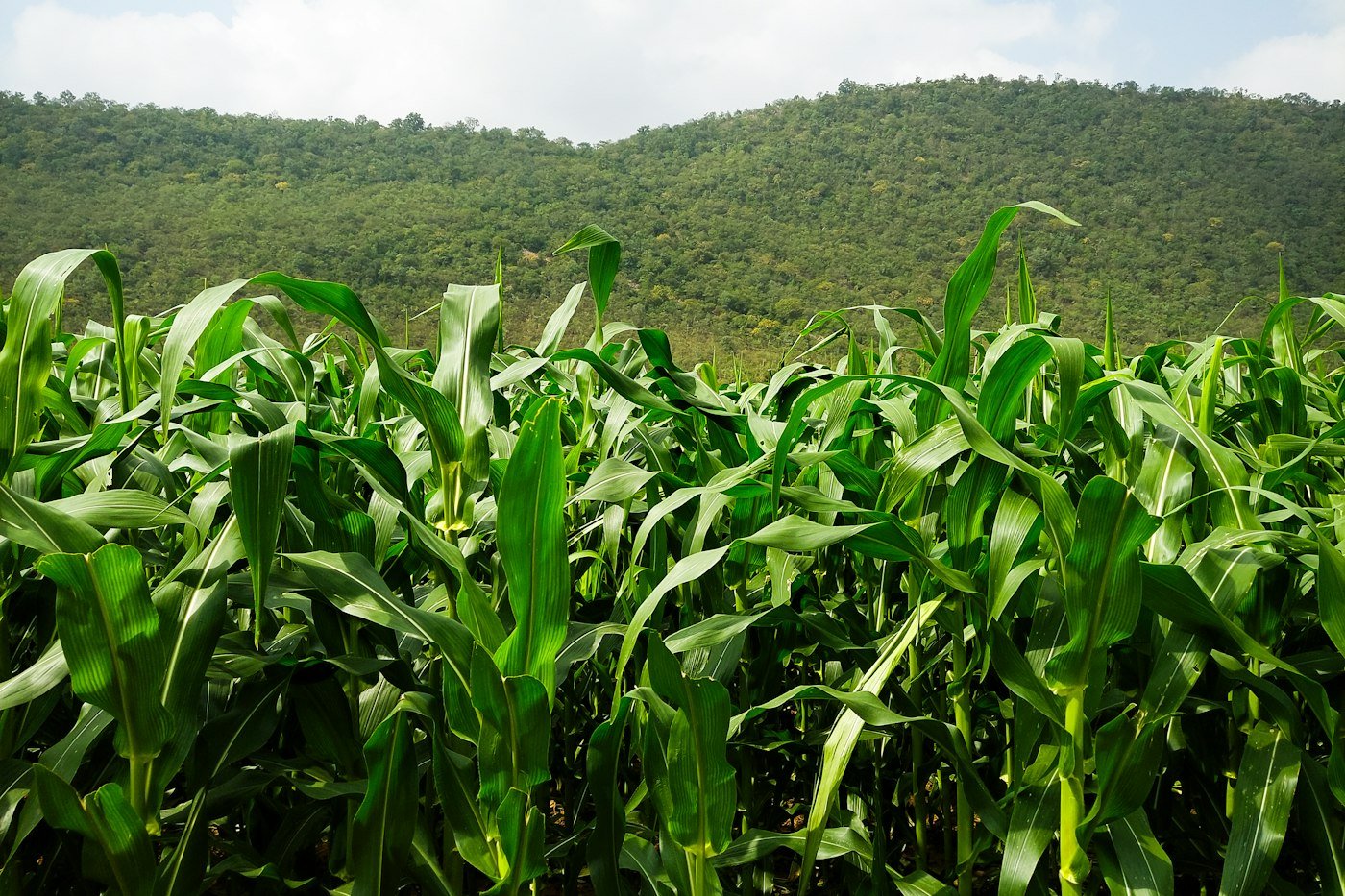
Fertilizer by crop group: cereals, oilseeds, vegetables and fruit trees
Different crops need different feeding. A simple guide to which fertilizer goes with which crop group.
Read more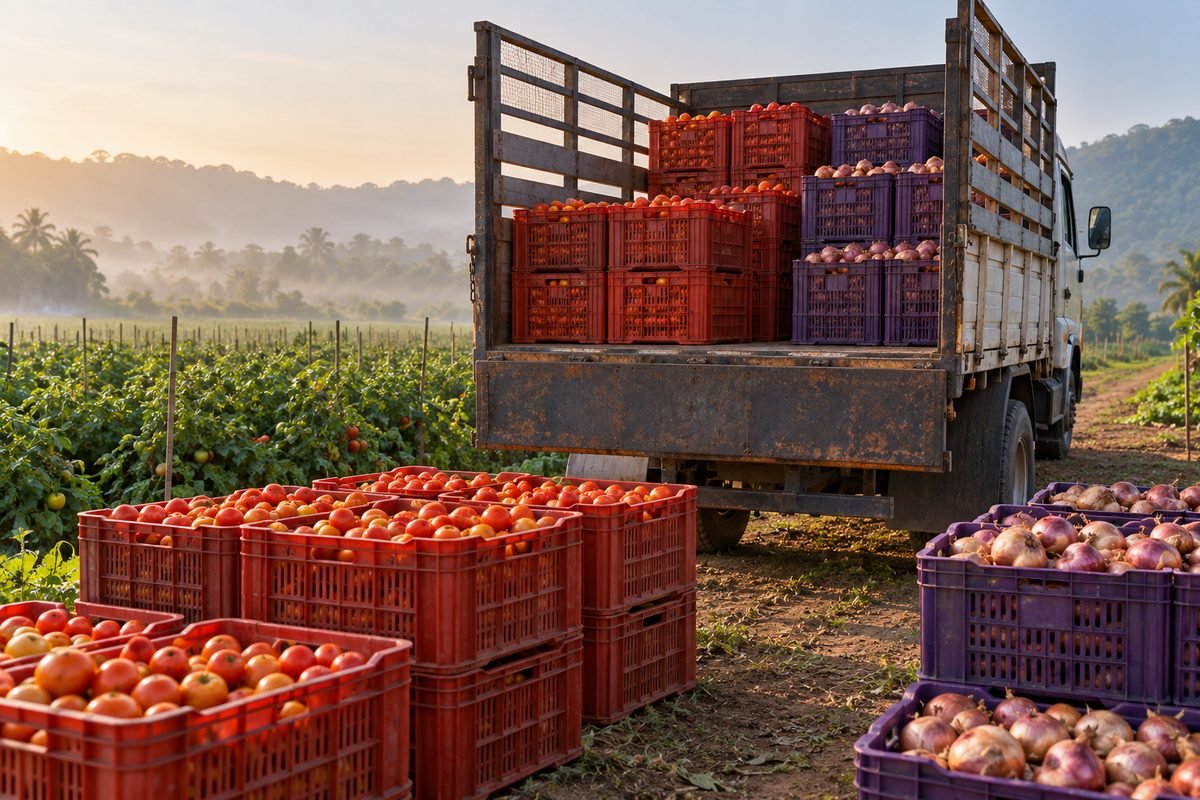
Tomato fertilizer plan for hot climates: from planting to harvest
Which fertilizer a tomato crop needs at each stage, how to avoid blossom-end rot and cracking, and why a soil test comes first.
Read moreRelated
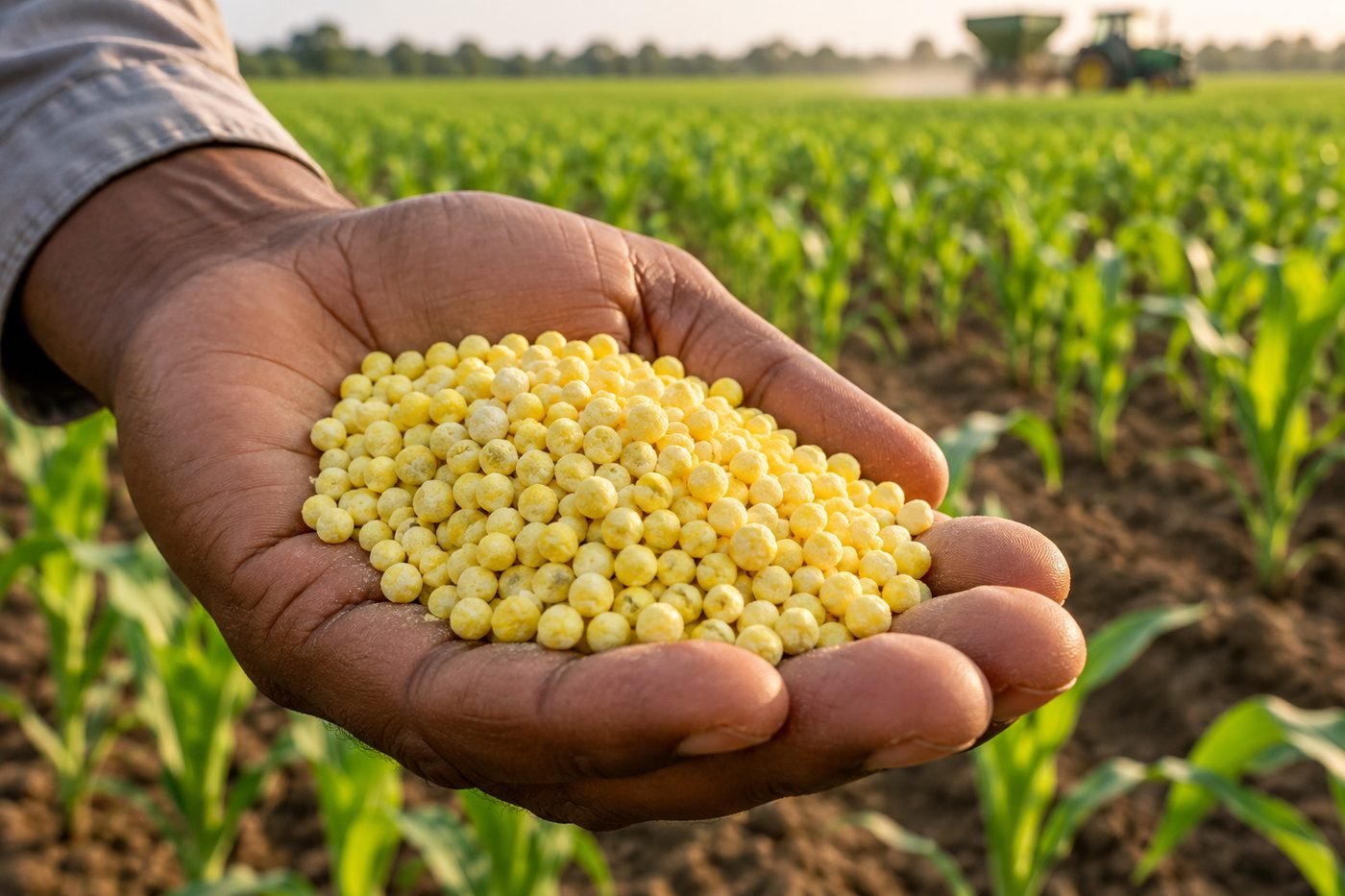
Bentonite sulphur 90
90% elemental sulphur in a bentonite granule: sulphur for oilseeds and alkaline soils.
View details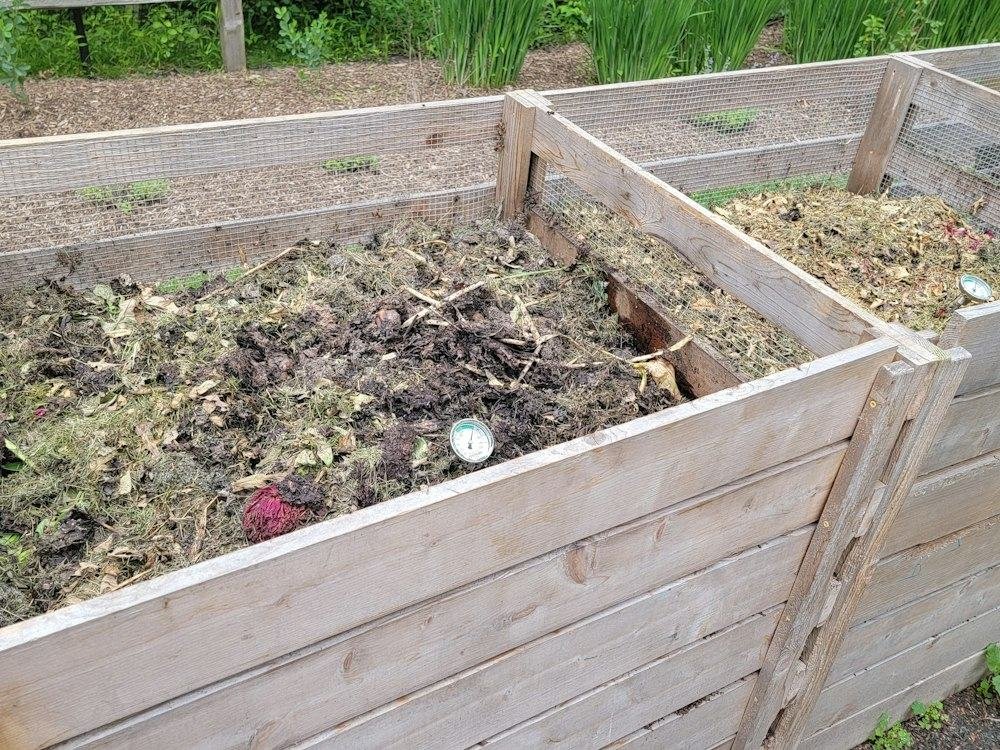
Organic fertilizers
Compost and organic matter that build soil, hold water and feed roots slowly.
View details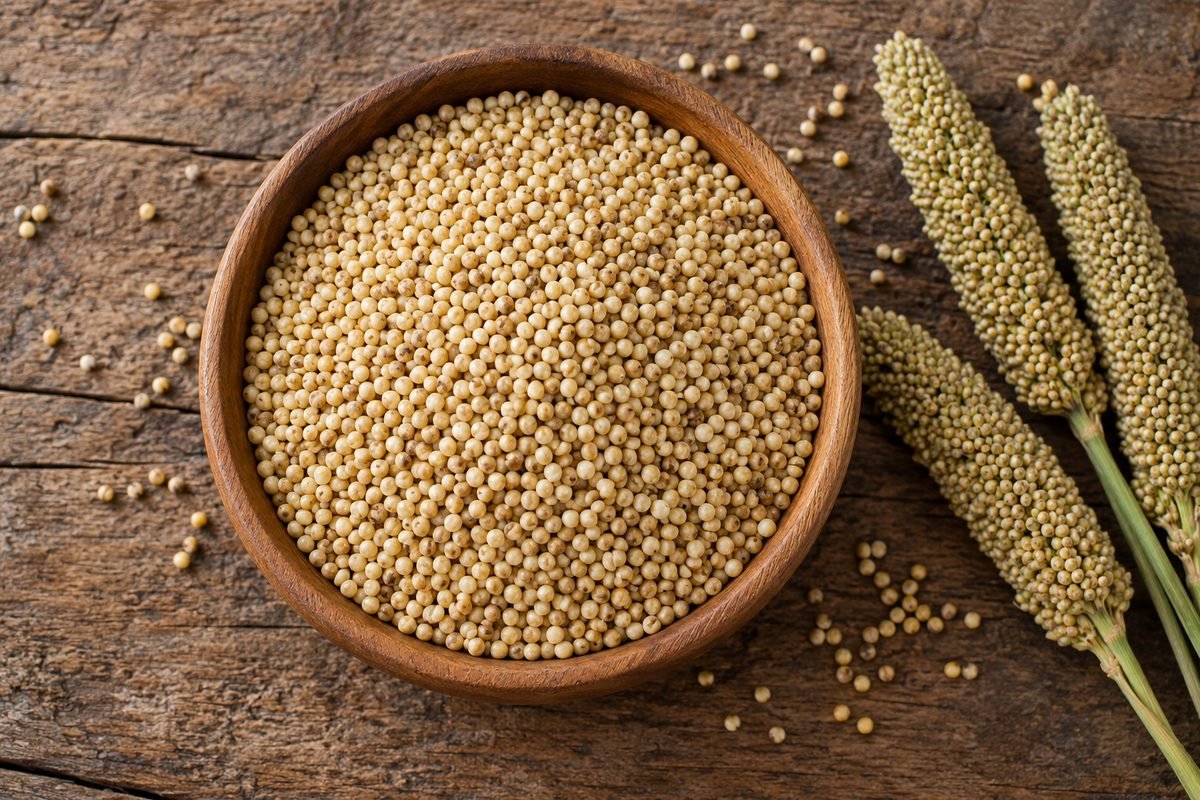
Seeds
Adapted, clean seed and advice on varieties that suit your land and season.
View details