Export buyers do not only taste or look at a sample. They inspect the bags, the weights, the markings and the container. A shipment that fails any of these loses time and money, even if the produce itself is good. This checklist is how we would prepare a load.
1. The produce
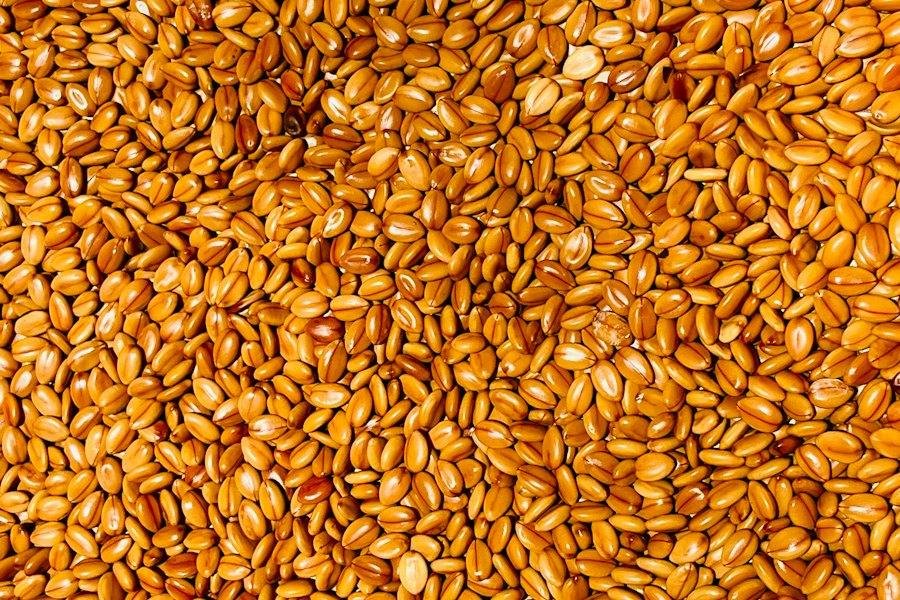
- Moisture at the level the contract specifies (for example sesame near 6%, groundnuts near 8%, sorghum and millet near 12-13%).
- Clean: free of sand, stones, stalks and foreign seed.
- Free of live insects and mould, and within aflatoxin and residue limits where tested.
- One variety and one quality grade per lot.
2. The bag
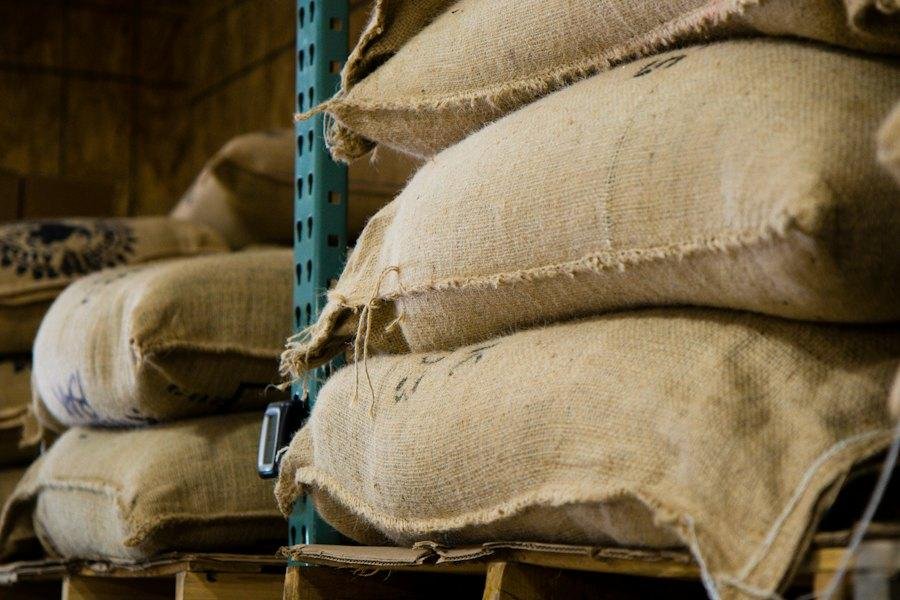
- New or clean jute bags, free from stains, holes and loose threads.
- The right size and weight for the contract (often 50 kg).
- Tight enough weave for fine seed, open enough for breathing crops.
- Never reused from fertilizer, chemicals or fuel.
3. The weight
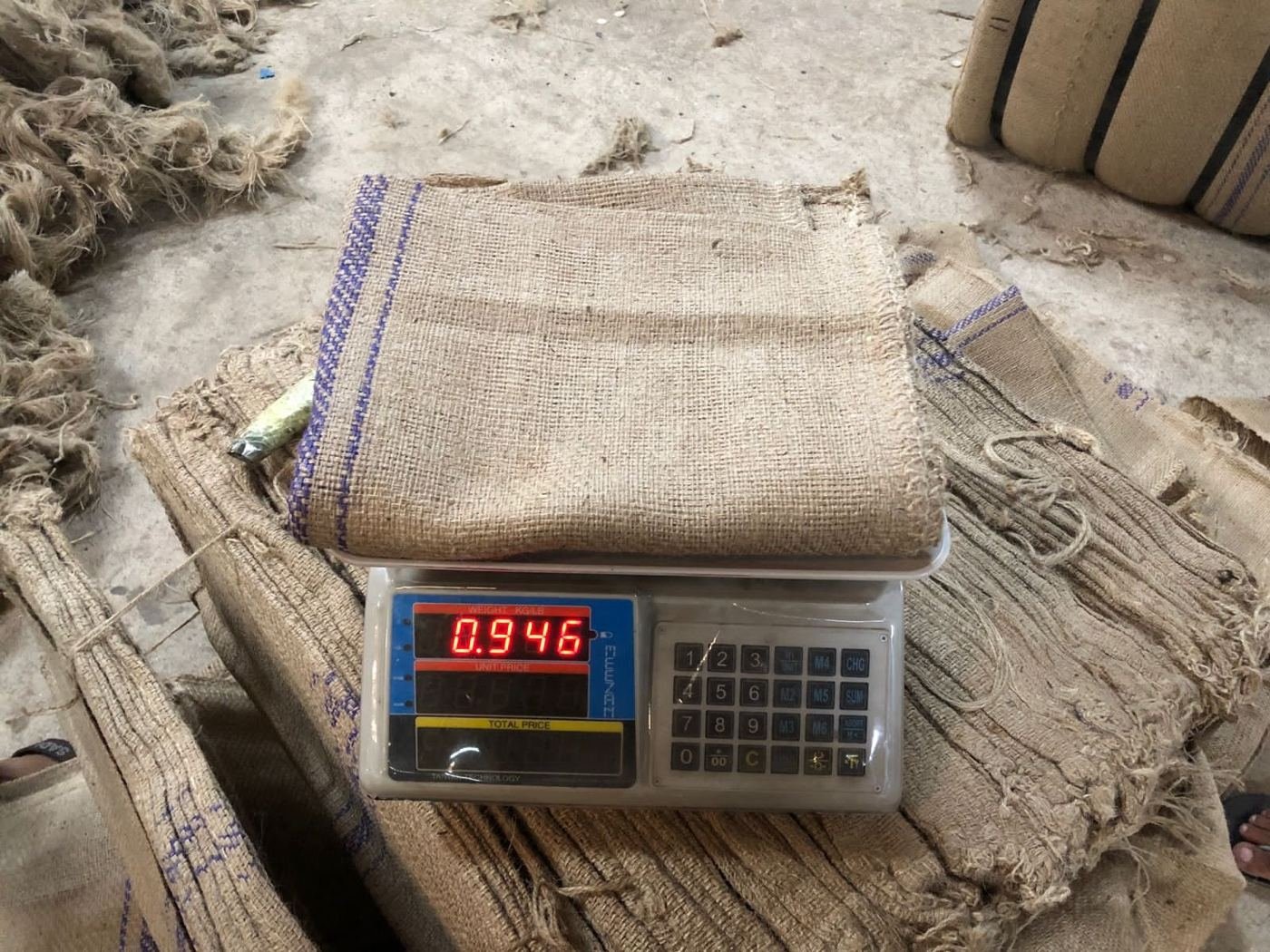
- Each bag weighed; the average and tolerance match the contract.
- Net weight stated, with the weight of the empty bag known.
4. Marking
- Product, grade, lot number, net weight and origin on every bag.
- Exporter or brand mark, in clean, legible print.
5. Packing and loading
- Pallets or dunnage in the container; bags kept off the floor.
- Bags stacked tight and level so they do not shift.
- Ventilation or desiccant where the buyer or shipping line requires it.
- The container clean, dry, odour-free and undamaged before loading.
6. Documents
Certificate of origin, phytosanitary certificate, quality or lab certificates and packing list that match what is in the container.
Start with the bag
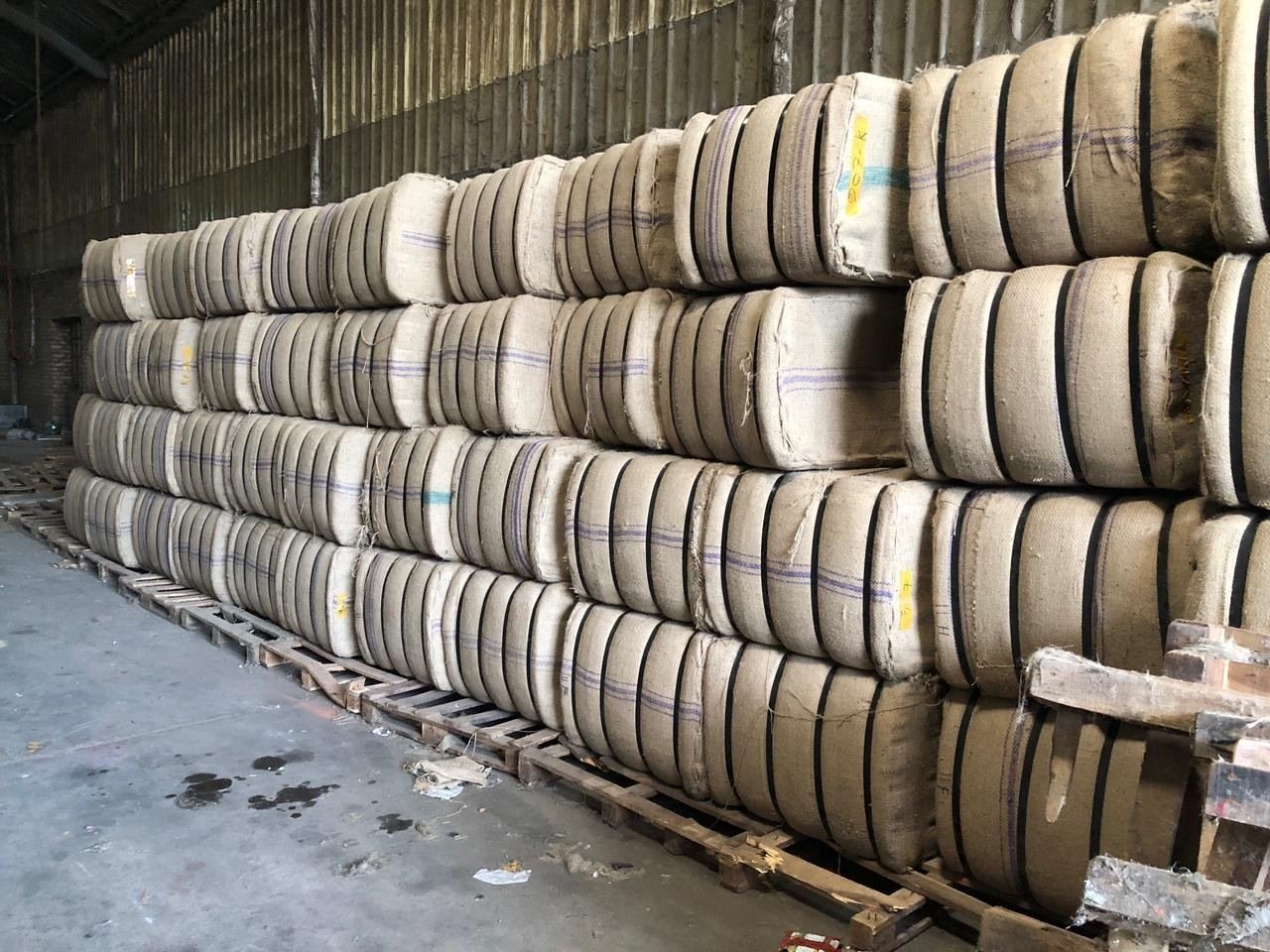
Bags are the one item in this list you can buy ahead and check. Al-Khair supplies jute bags made in Bangladesh, weighed, checked and baled for loading; see how bales are packed and loaded and contact us.
Have a question, or need agricultural advice?
Contact us