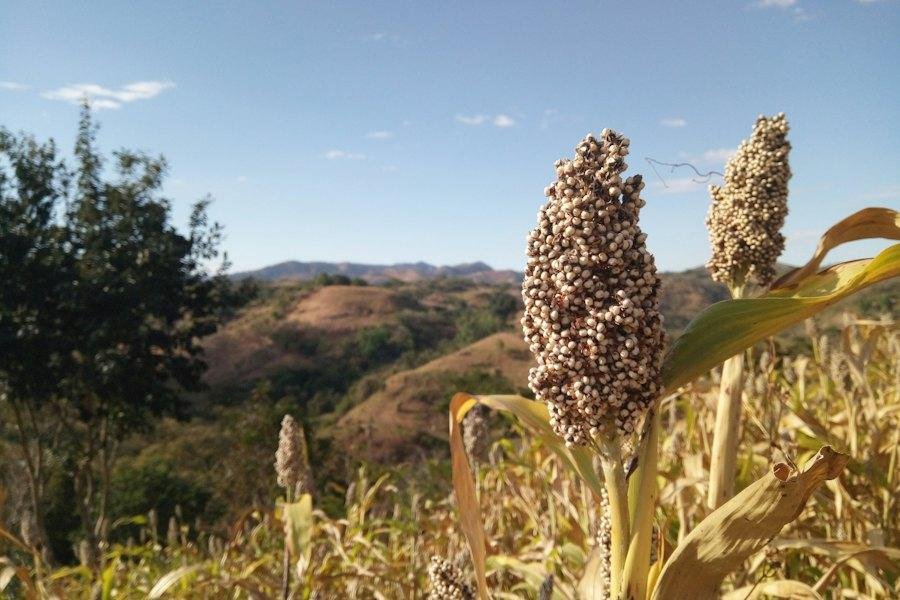
Sorghum is the grain of the dry and hot belt of Africa: it survives heat and short rains where maize fails. It is sold as food, for brewing and for animal feed, and each market wants a slightly different grain.
Types and what buyers want
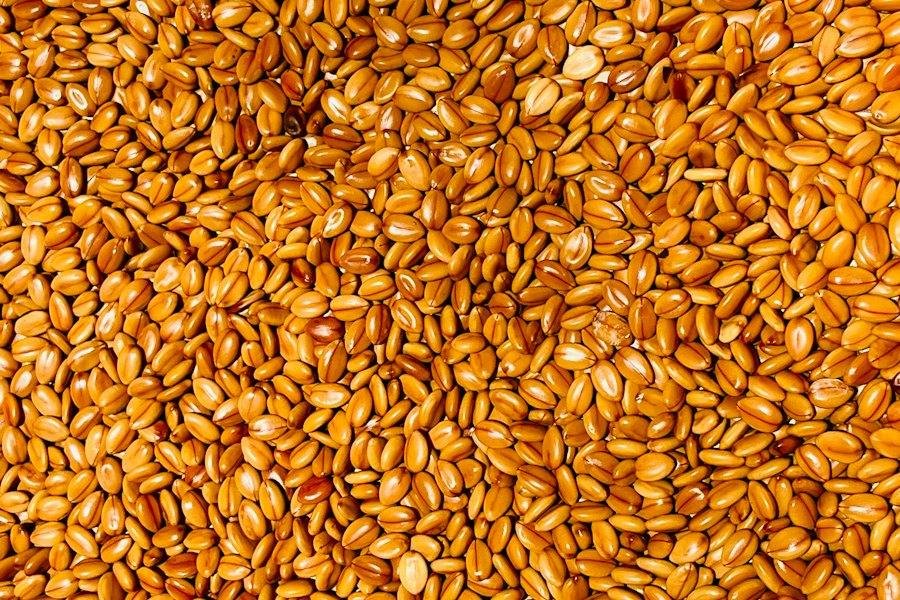
- White sorghum: preferred for flour and porridge because of its light colour.
- Red and brown sorghum: often higher in tannins, which birds dislike; used for brewing, feed and some traditional foods.
- Sweet and speciality types: grown for syrup, fodder or niche markets.
Keep types and varieties separate. Mixed grain is graded down to the lowest quality in the bag.
Dry, clean, grade
Harvest when the grain is hard and the heads are dry, then dry the threshed grain to about 12-13% moisture. Winnow out chaff, dust and broken grain. Sorghum that is clean and uniform fetches a better price at wholesale markets and passes buyer inspections.
Bagging
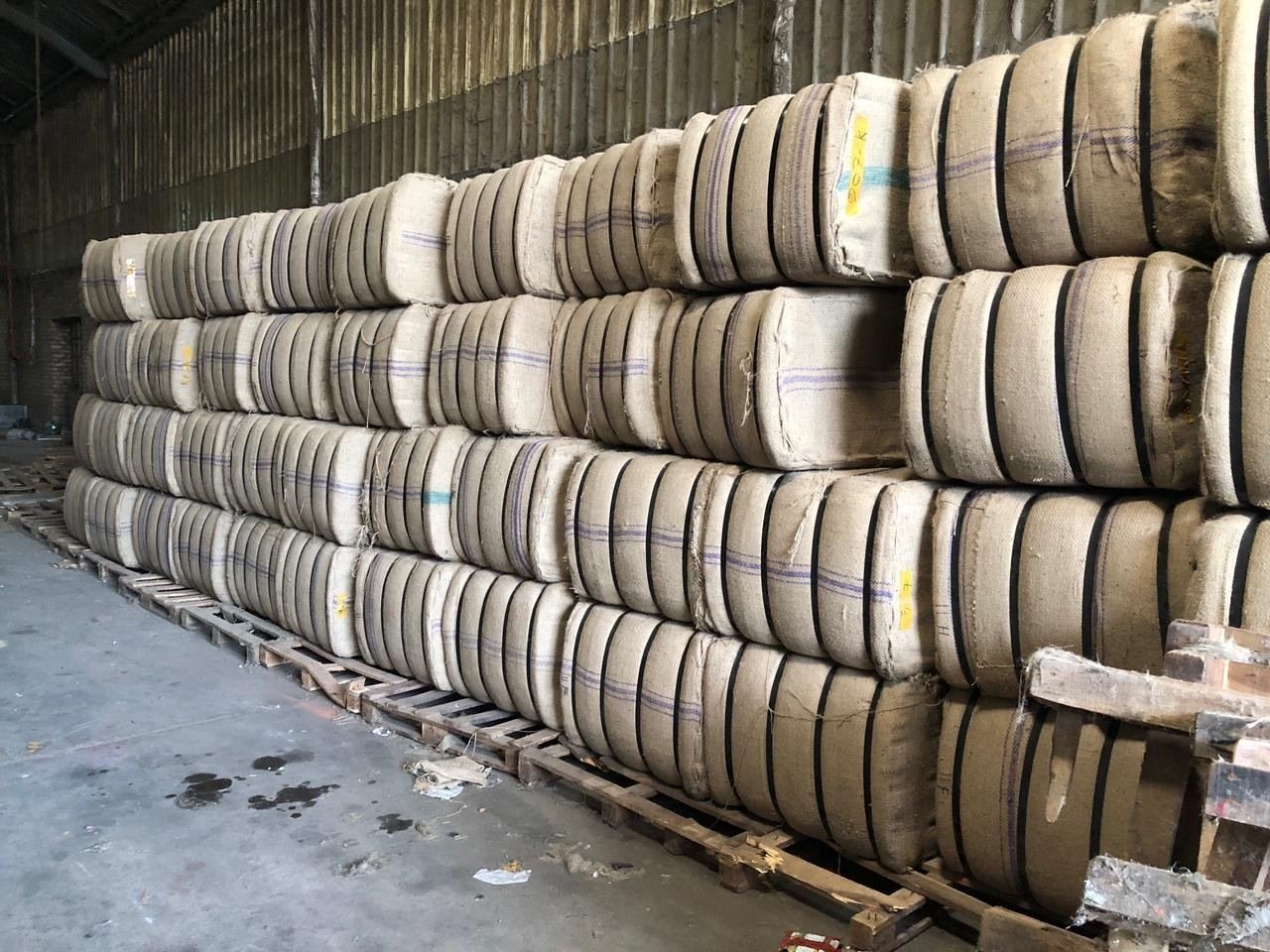
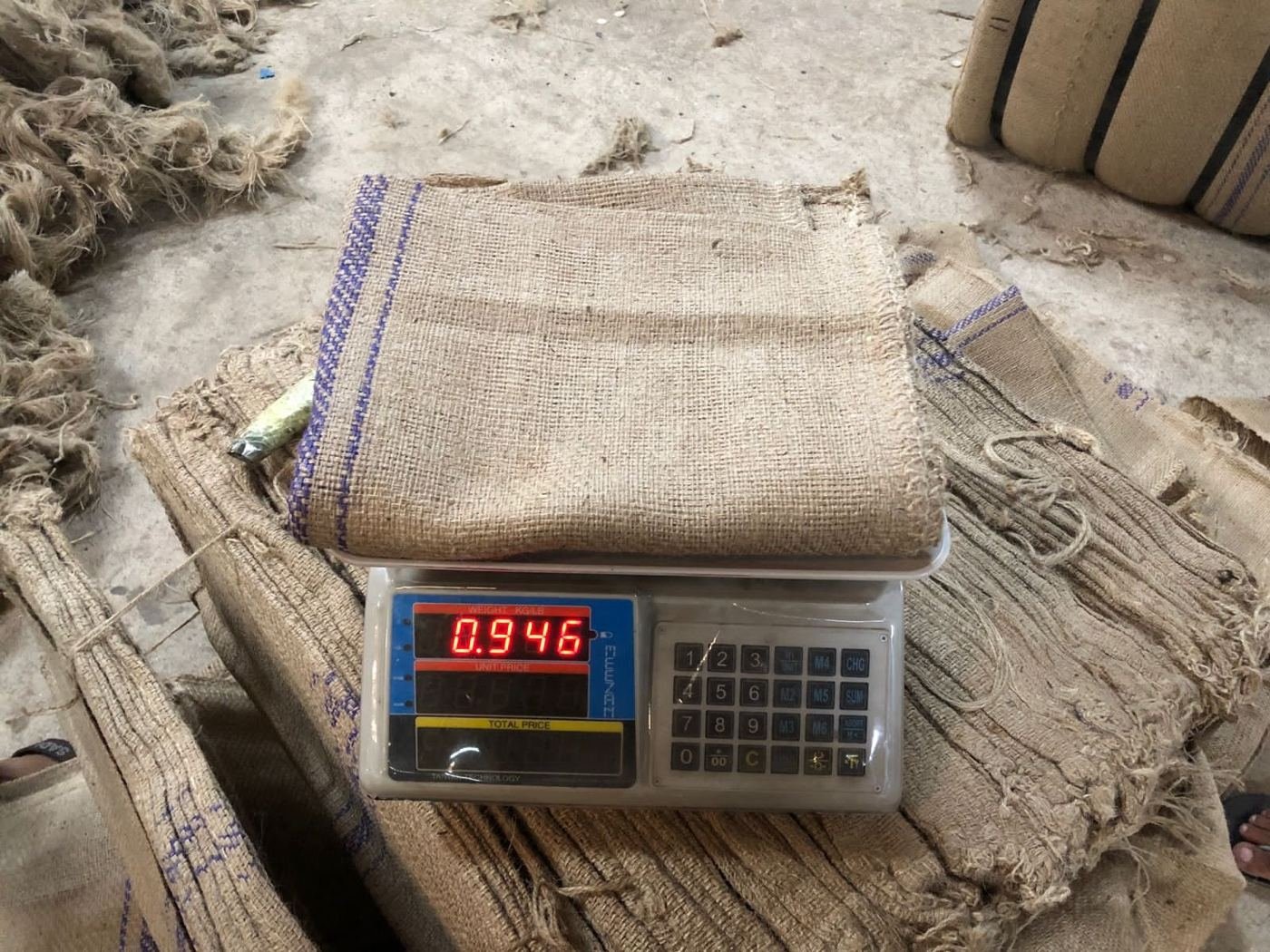
Sorghum is usually sold in 50 to 100 kg sacks. Jute is the common choice because it breathes, it is strong enough for heavy loads and it stacks tightly on a truck. Weigh every bag, sew the mouth and mark variety, weight and lot.
Protect it in storage
- Stack bags on pallets, away from walls and the floor.
- Keep the store dry, shaded and ventilated.
- Treat or rotate stock against weevils and moths, and check for rodents.
- Do not store grain bags beside fertilizer or fuel.
To the wholesale market
Load a covered truck with the heaviest bags at the bottom, keep the sacks dry and arrive with weights written on the bags so the buyer's scale only confirms them. Bags that are uniform and well sewn move faster and fetch better prices.
See Al-Khair jute bags made in Bangladesh and our guide to sizes and stacking, or ask for a quotation.
Have a question, or need agricultural advice?
Contact us