

Irrigate in the Morning, Evening or Night?
Timing changes losses and disease. Early morning is usually best for sprinklers, and night is fine for drip.
Read more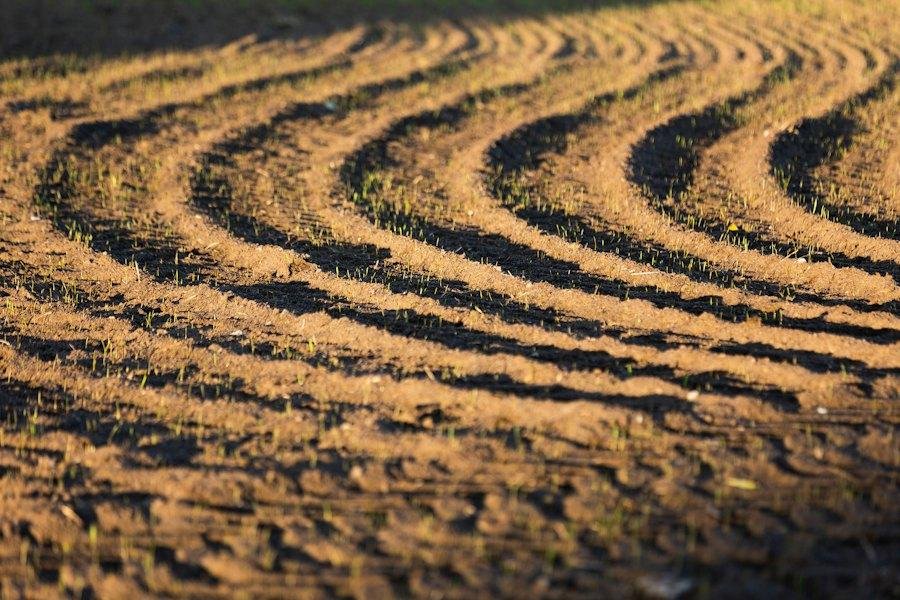
Soil Compaction: How to Spot It and What to Do
Hard layers stop roots and water. A simple spade test finds them, and deep tillage, residues and fewer wheel passes fix them.
Read more
Moving Toward Organic: A Realistic Transition
Organic certification takes years and records. Build soil, cut synthetic inputs step by step and know your market before committing.
Read more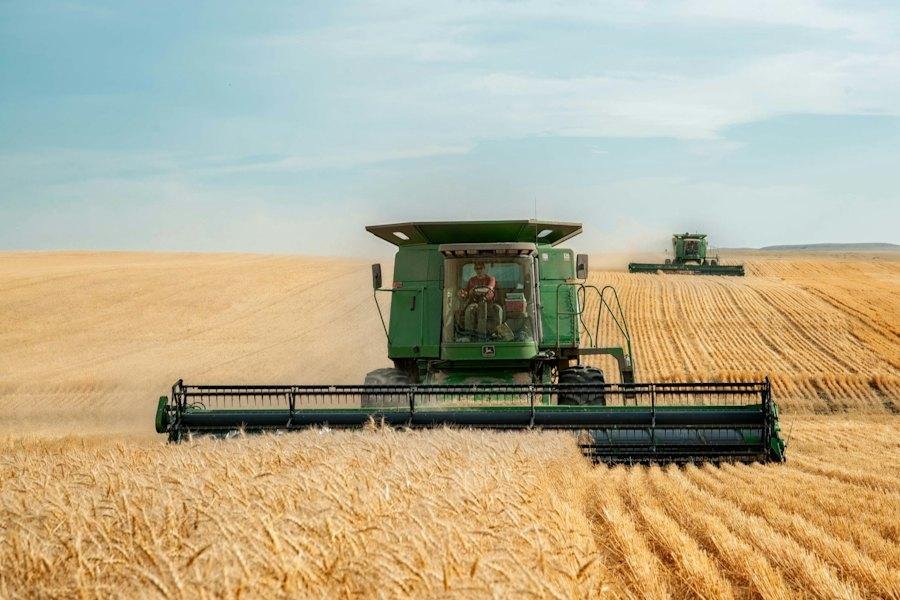
Combine Harvester: Adjusting to Cut Grain Losses
Speed, reel, cylinder and fan settings decide how much grain stays in the field. Check losses behind the machine each field.
Read more
Farm Record-Keeping: Simple Records That Pay
A notebook with dates, inputs, costs and yields reveals what makes money and what does not, field by field.
Read more
A Simple Tractor Maintenance Schedule
Daily checks, regular oil and filter changes and clean storage prevent most breakdowns at the worst time.
Read more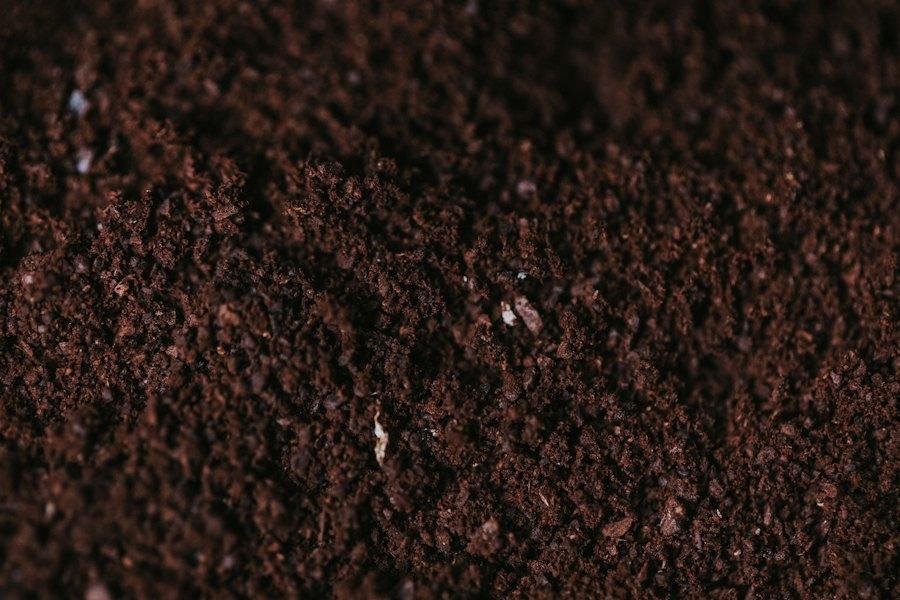
Soil Organic Matter: The Bank Account of the Farm
Organic matter holds water, stores nutrients and feeds soil life. Small yearly additions pay back for many seasons.
Read more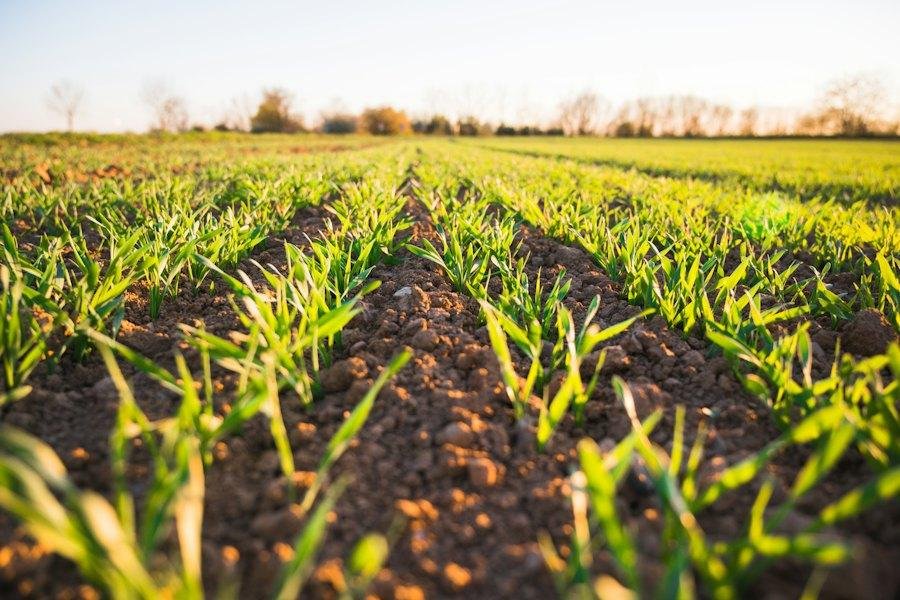
Intercropping and Relay Planting: More From the Same Land
Growing two crops together or in sequence can raise total output, spread risk and improve soil, if the pair is chosen well.
Read more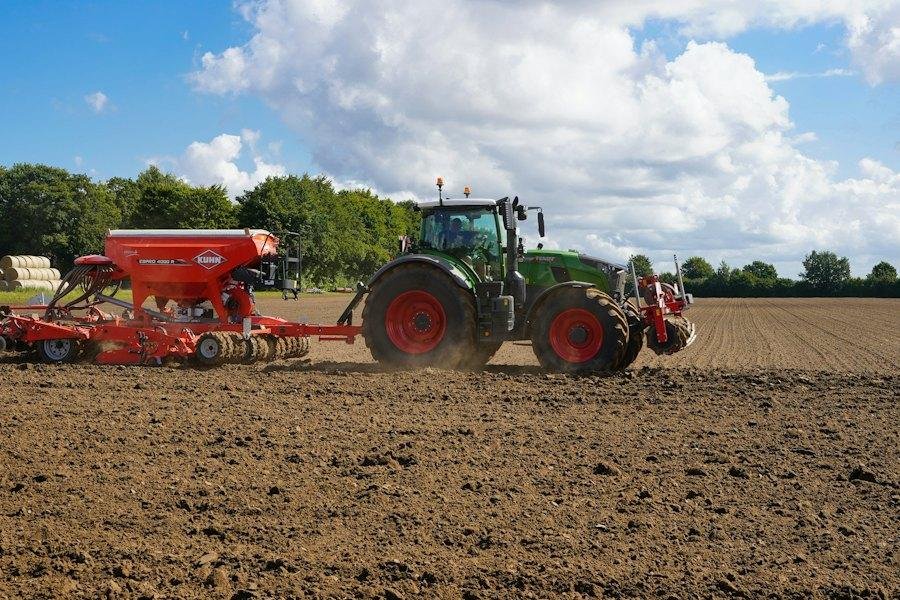
Seed Drill or Broadcasting: What the Numbers Say
Placing seed at an even depth and spacing saves seed and improves stands. A drill often pays for itself in a few seasons.
Read more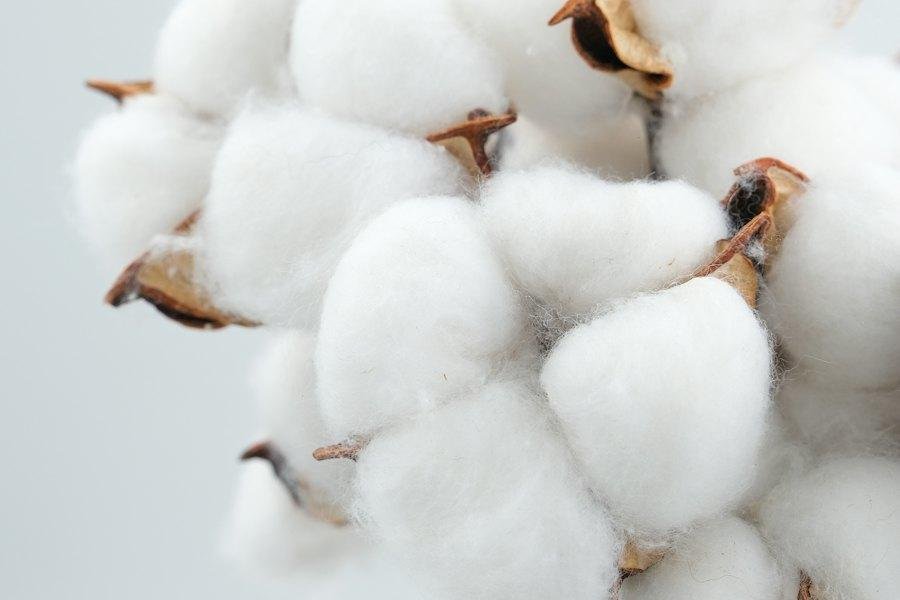
Cotton Basics: Spacing, Squares and Pest Scouting
Cotton is profitable but unforgiving: spacing, early nutrition and weekly scouting decide whether bolls set or drop.
Read more