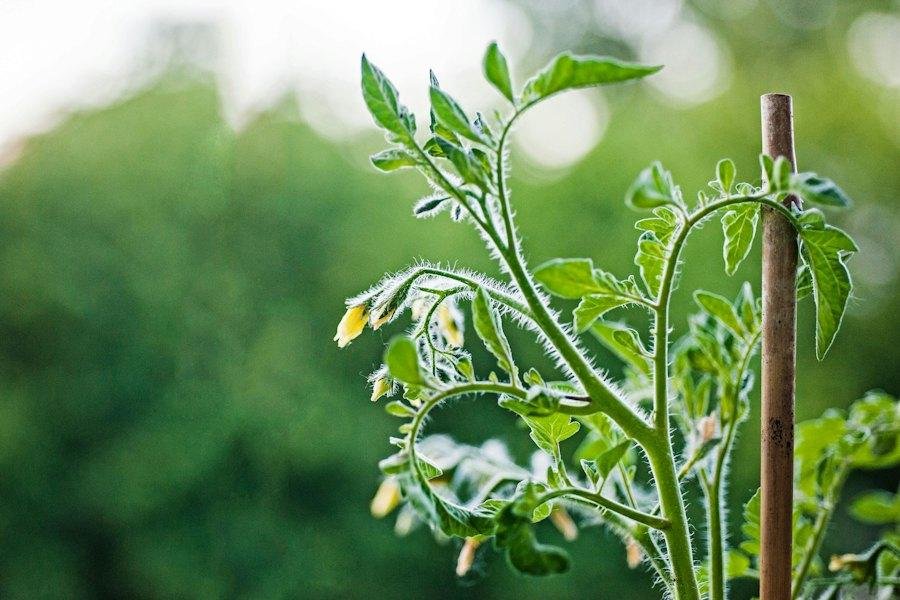
Tomato is the vegetable that pays best per hectare in many hot-climate markets, and the one that punishes mistakes fastest. Too much nitrogen gives leaves and no fruit; too little potassium gives soft, uneven fruit; uneven water gives blossom-end rot. A plan that follows the crop stage by stage avoids most of it.
Start with the soil
A soil test tells you pH, salinity and what the soil already holds. Tomatoes like a pH of about 6 to 7. On alkaline soil, elemental sulphur such as bentonite sulphur 90 helps lower pH and releases sulphur the crop needs.
Stage by stage
- Before or at transplanting: phosphorus drives roots. Apply DAP or TSP in the planting band, and mix in compost.
- Establishment and vegetative growth: nitrogen in small, regular doses. Urea 46 in split applications is more efficient than one large dose.
- Flowering and fruit set: switch the emphasis to potassium and a balanced NPK compound, and keep water steady.
- Fruit filling and harvest: potassium and calcium for firm, well-coloured fruit; avoid late heavy nitrogen.
Water matters as much as fertilizer
Blossom-end rot is usually a water problem showing up as a calcium problem. Irrigate evenly; drip irrigation with fertigation delivers nutrients in small amounts every few days and uses less water and fertilizer than broadcasting.
Common mistakes
- Putting all the nitrogen on early.
- Skipping potassium because the leaves look healthy.
- Irrigating heavily after a dry spell, which cracks fruit.
- Repeating the same fertilizer every season without testing.
Packing and market
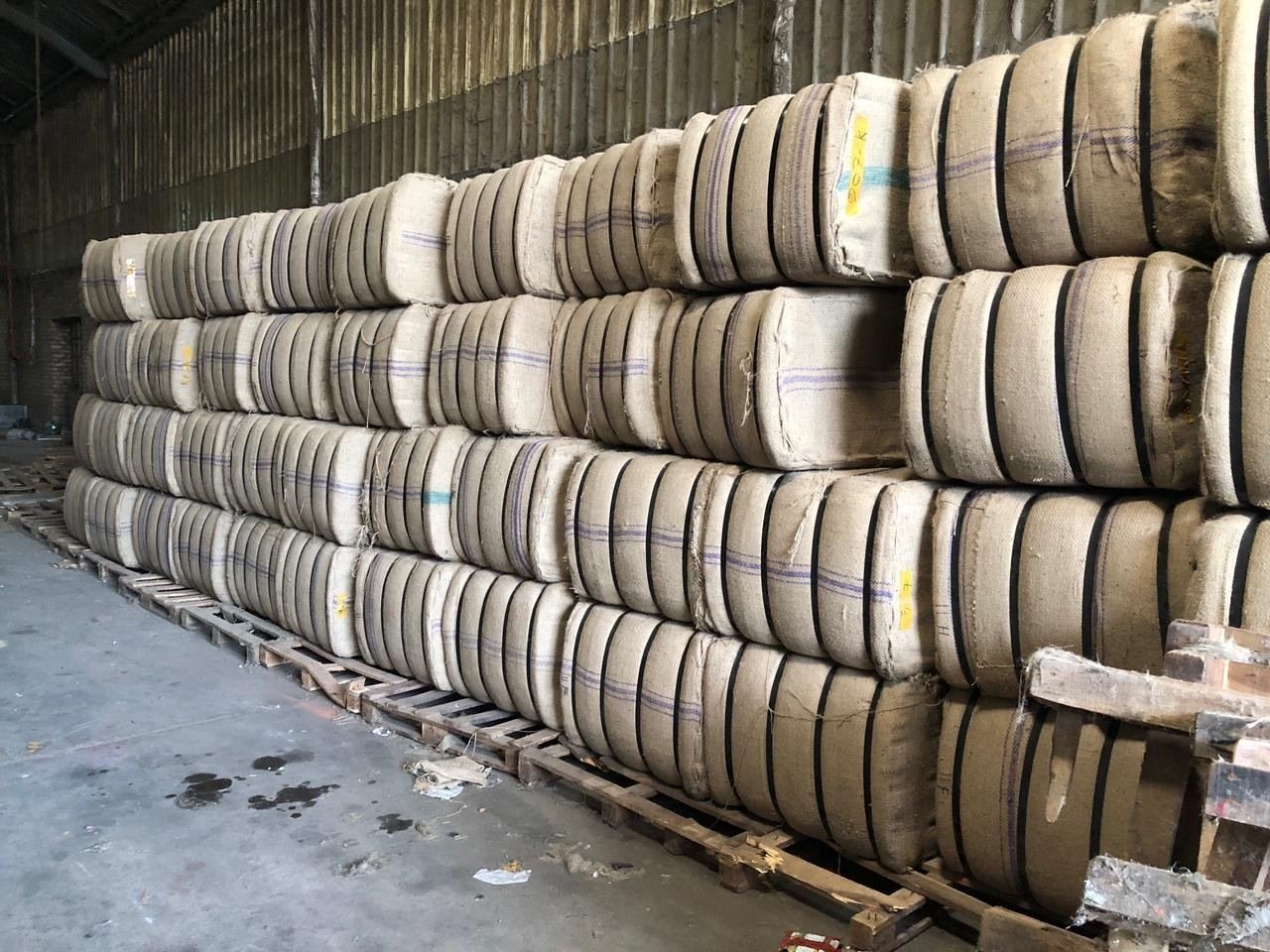
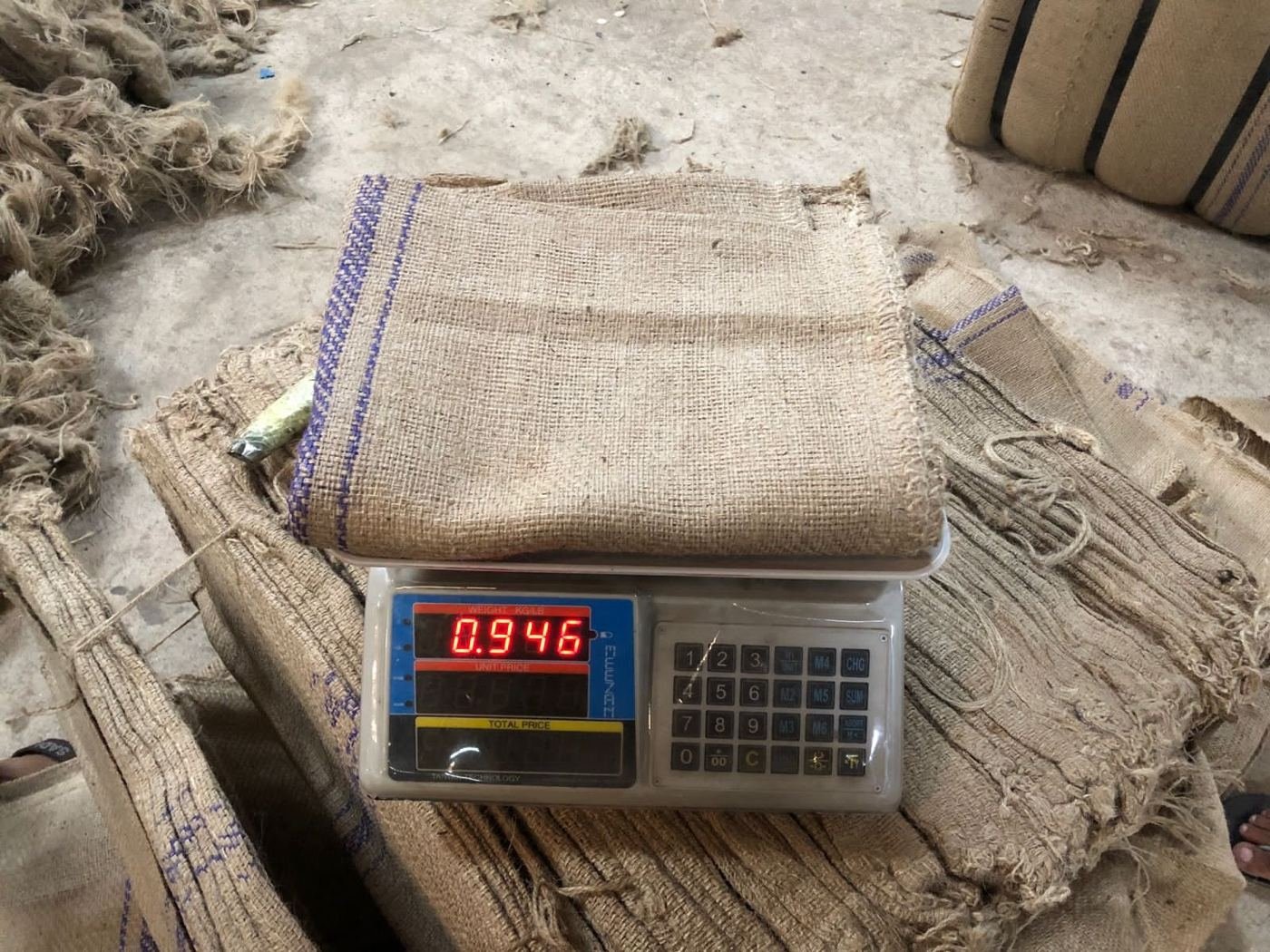
Tomatoes are carried in crates, but tomato seed, dried tomato and planting inputs travel in bags. Contact Al-Khair for a written nutrition programme built around your soil test and your market, and for jute bags for your inputs and dry produce.
Have a question, or need agricultural advice?
Contact us