Pearl millet and finger millet feed millions in the Sahel and in East and Southern Africa, and they are becoming more valuable. Consumers and food companies in many countries now look for millet as a hardy, nutritious, gluten-free grain, and demand for it keeps growing.
Two grains, two habits
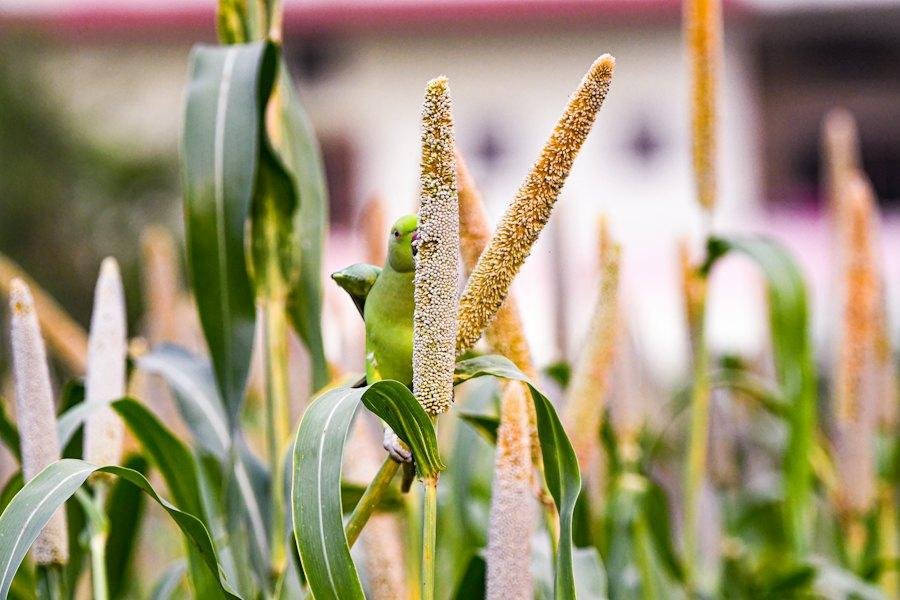
- Pearl millet grows where rainfall is low and soils are poor. It is harvested as heads, dried and threshed.
- Finger millet stores unusually well, in bags, for long periods if it is kept dry, which makes it useful for farmers who sell later in the year when prices are better.
Drying and cleaning
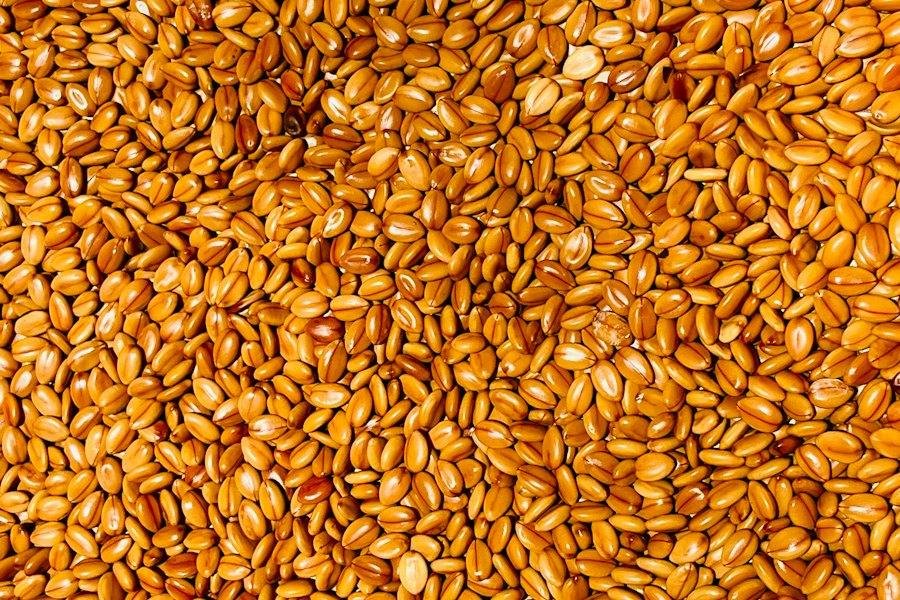
Dry the grain to about 12% moisture or slightly lower for long storage. Winnow thoroughly: millet grains are small, so stones and dust are easy to miss and easy for a buyer to spot. A clean, uniform grain is the first thing a buyer looks for.
Bagging in jute
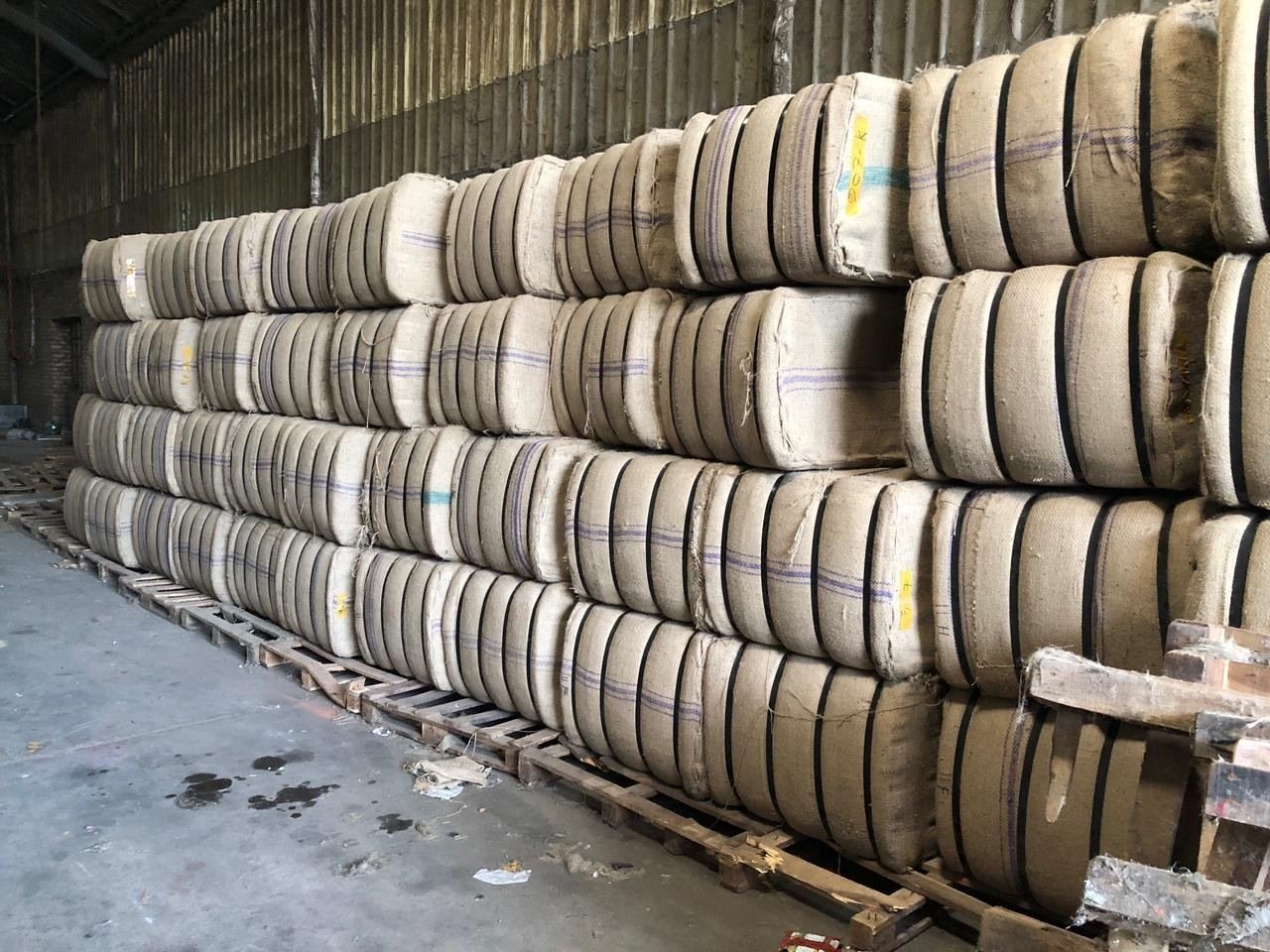
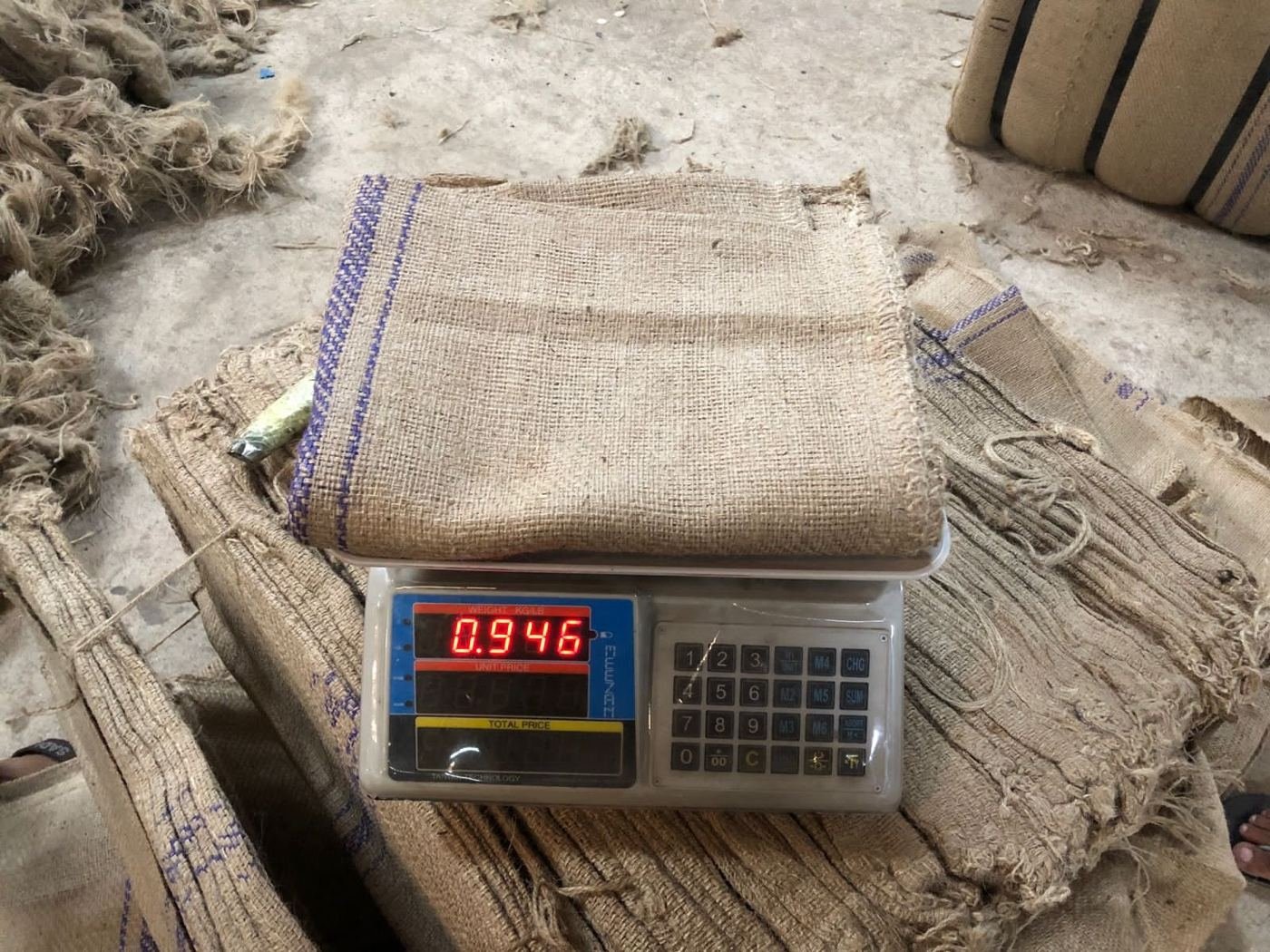
Millet is a small grain, so the bag has to be tightly woven and fully sewn. Jute is the right fibre: it breathes, so a small amount of residual moisture does not go mouldy, and it is strong enough to carry heavy sacks on a truck bed. Weigh each bag, close it with a firm stitch and mark the grain, weight and lot number.
Store smart
- Pallets or boards under the bags; a gap from the walls.
- A dry, ventilated, shaded store, checked regularly.
- Separate sacks of different lots and years.
- No fertilizer, fuel or chemicals in the same room.
Sell at the right moment
A farmer who can store dry, well-bagged grain can wait for the better price after the harvest rush. Good bags are therefore not a cost but a way to earn more from the same crop.
Read about Al-Khair jute bags and how a good jute bag is chosen, and contact us to plan the bags you need.
Have a question, or need agricultural advice?
Contact us