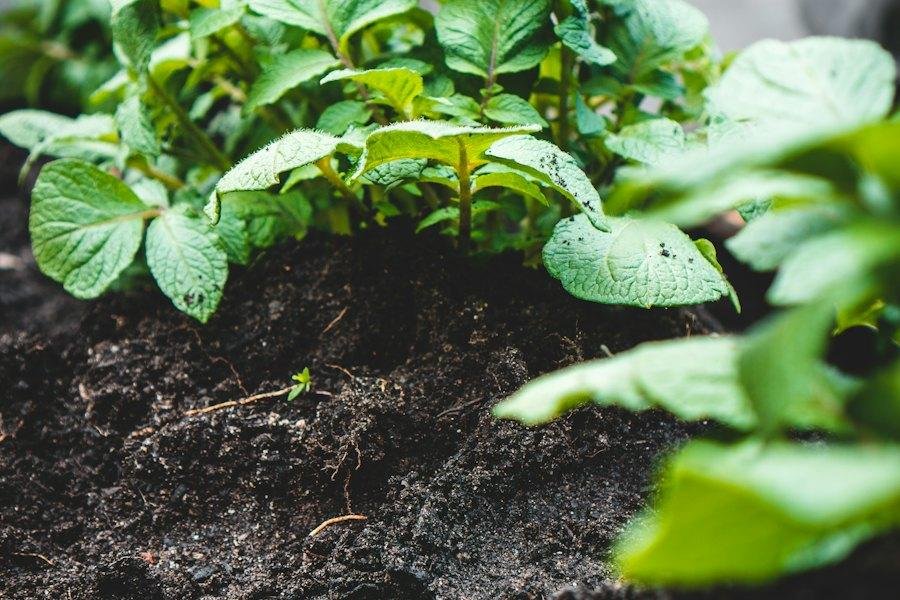
Potato is a fast-rising food and cash crop in the highlands and irrigated areas of Africa. It rewards loose, well-drained soil, steady water and enough potassium, and it loses value quickly if tubers are bruised or sweat in a sealed bag.
Soil and planting
Potatoes prefer loose soil with a pH of about 5.5 to 6.5. Acid soil reduces scab; heavy or waterlogged soil rots tubers. Plant certified seed tubers and hill the rows as the plants grow to cover tubers from the light.
Feeding the crop
- At planting: a phosphorus source such as DAP or TSP in the row, with compost.
- Early growth: nitrogen in two doses; too much late nitrogen gives foliage and delays tuber growth.
- Tuber bulking: potassium is the key nutrient, so use a balanced NPK compound with good potassium, and keep irrigation regular.
- Before harvest: stop heavy irrigation and let the skins set.
Handling and bagging
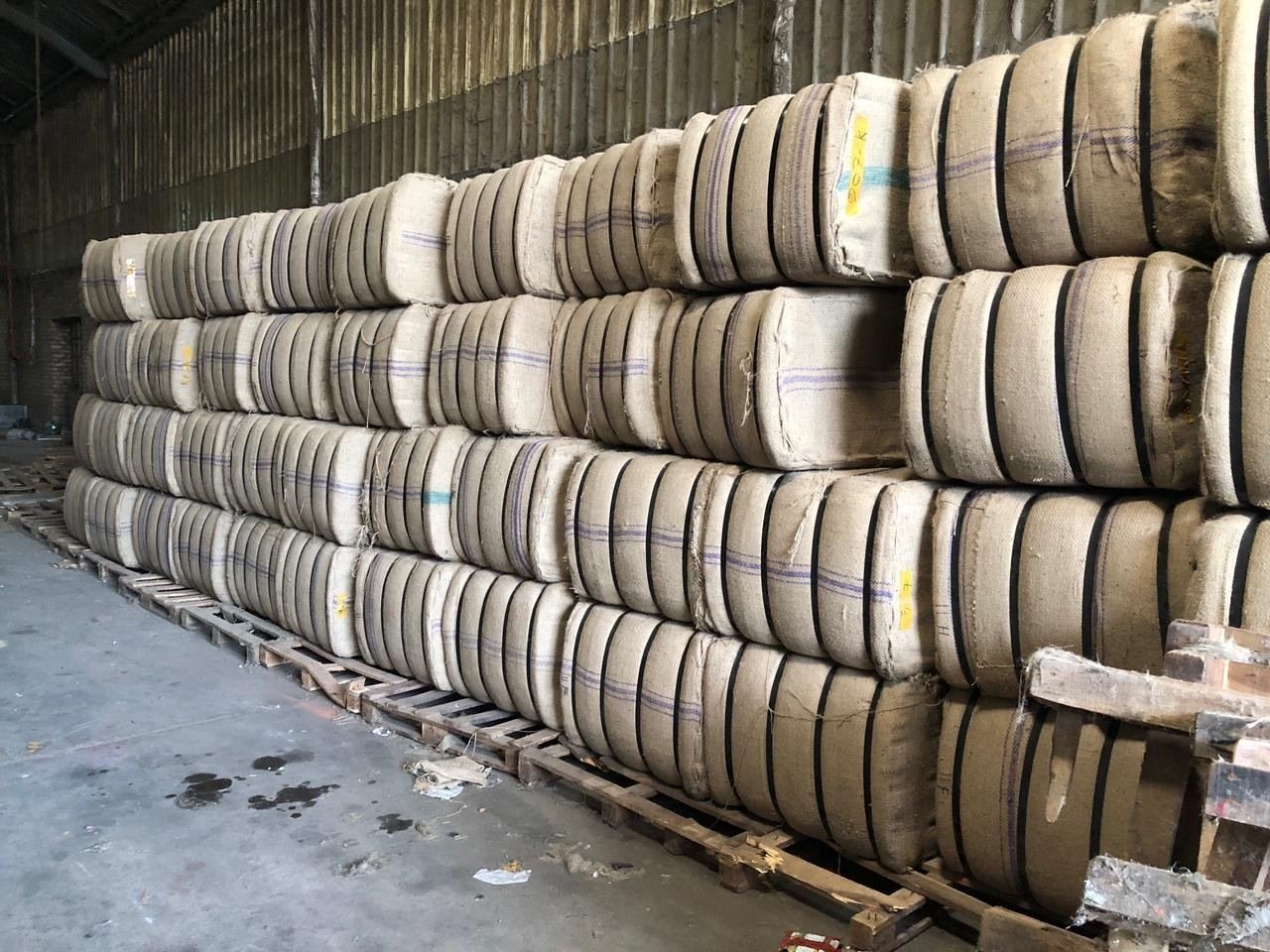
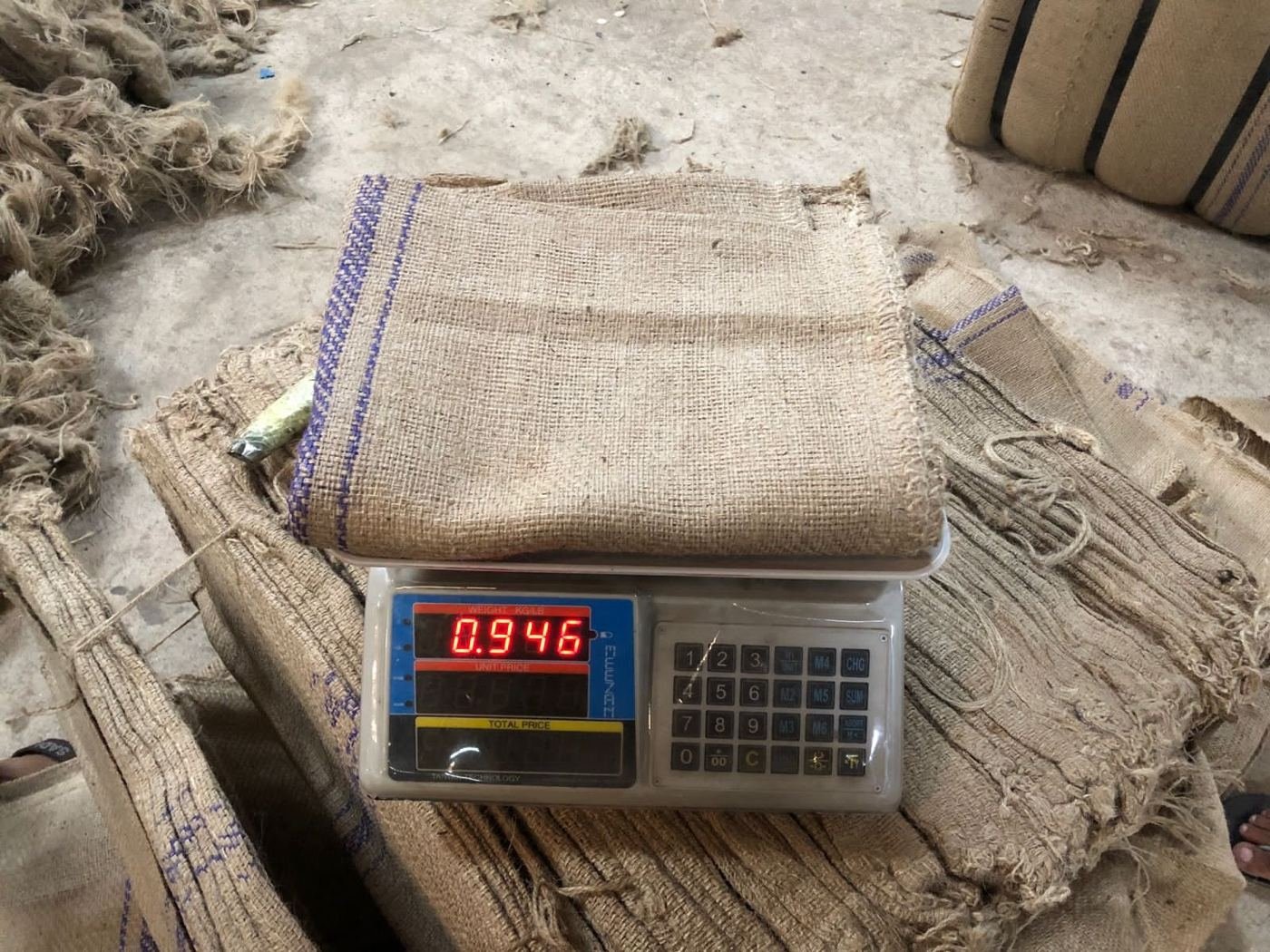
Potatoes bruise easily. Harvest gently, cure briefly in the shade and sort by size. Pack in open-weave jute sacks: they let heat and moisture escape, protect from light better than open crates, and are strong enough for a 50 kg load. Do not fill sacks tight enough to crush the bottom layer, and keep them out of the sun.
Selling
Graded, clean tubers in tidy, labelled sacks fetch better prices at wholesale markets. A farmer who can store a few weeks in a cool, dark, ventilated place can often sell after the first rush of supply.
Browse Al-Khair fertilizers and jute bags, or ask us for advice.
Have a question, or need agricultural advice?
Contact us