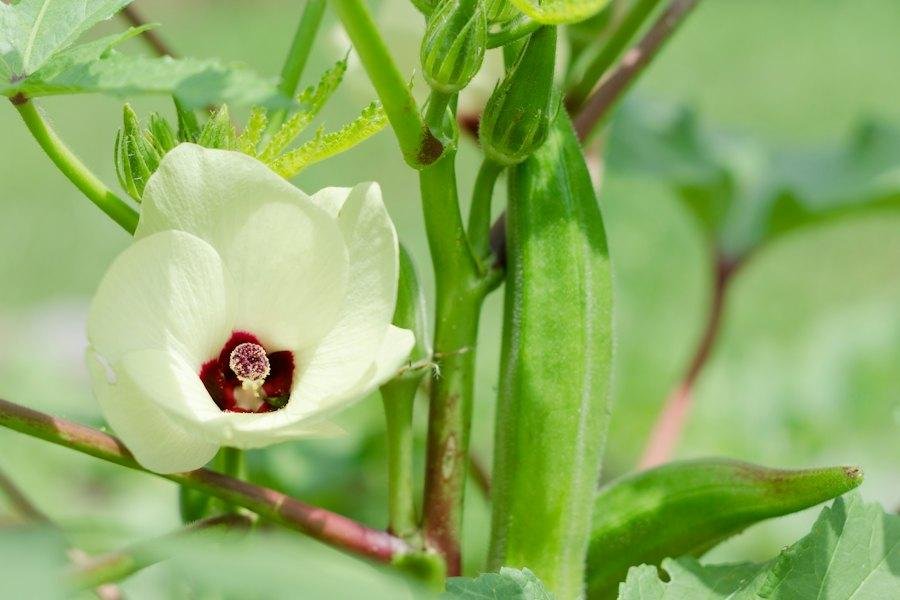
Okra and eggplant (aubergine) love heat, tolerate dry spells better than many vegetables and sell all year round in local markets, which makes them dependable cash crops for smallholders. They reward regular feeding and regular picking.
Feeding okra
Okra responds to a balanced start and steady nitrogen. Apply DAP or an NPK compound at planting, then side-dress with urea in two or three small doses as the plants flower and start to set pods. Pick pods young and tender, every day or two; pods left on the plant slow new flowering.
Feeding eggplant
Eggplant is a longer, hungrier crop. Start with phosphorus and compost, give nitrogen in splits and make sure potassium is available during fruiting for glossy, firm fruit. Mulch the soil to hold moisture and reduce weeds, and water regularly.
Soil and water
Both crops like warm, well-drained soil and steady moisture. Drip irrigation gives even water and lets you add fertilizer through the line. Keep an eye on pH: very alkaline soil locks up nutrients, and bentonite sulphur 90 can help.
Picking and packing
- Pick in the cool of the morning and keep produce in shade.
- Grade by size and remove damaged pods and fruit.
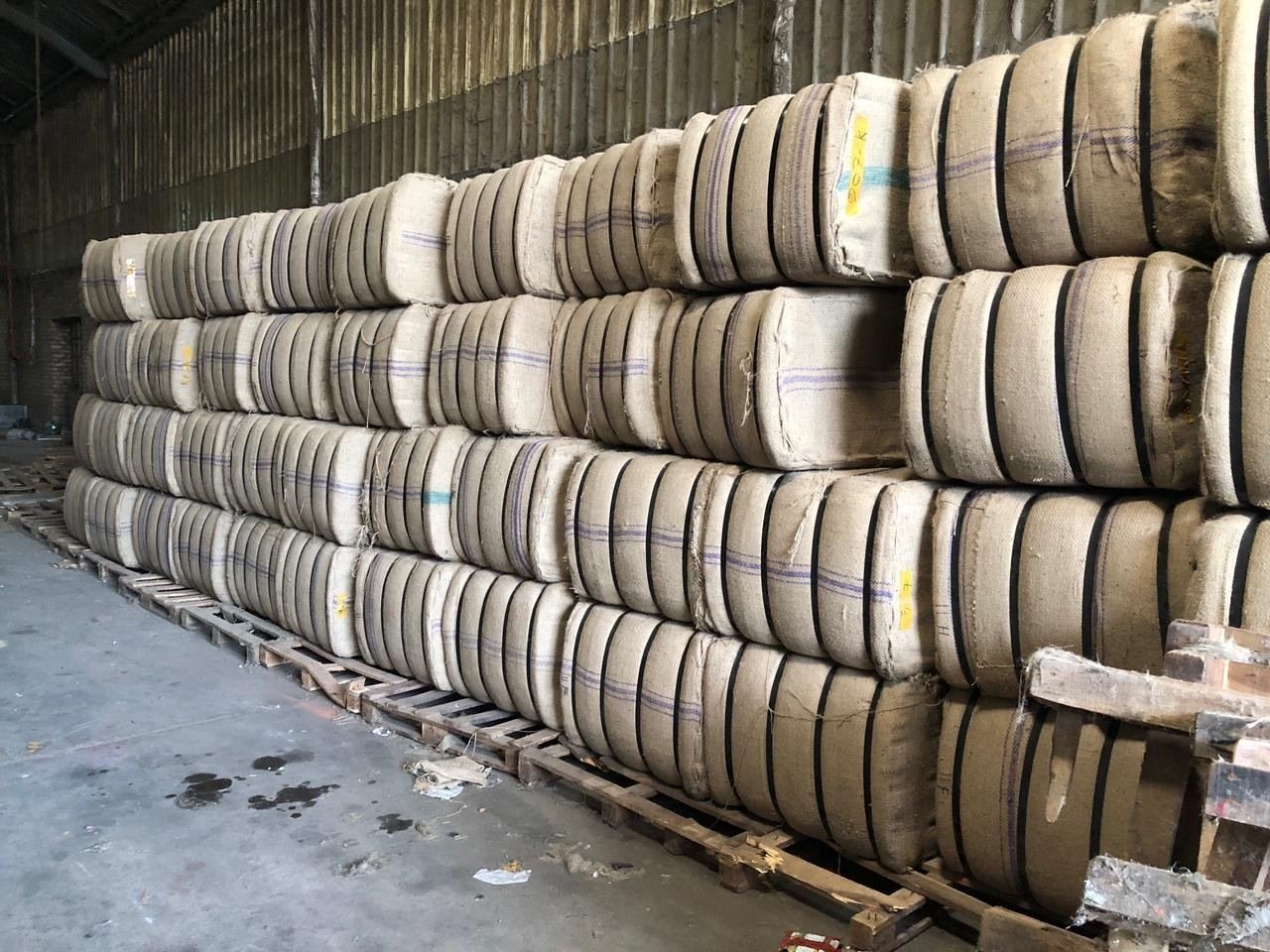
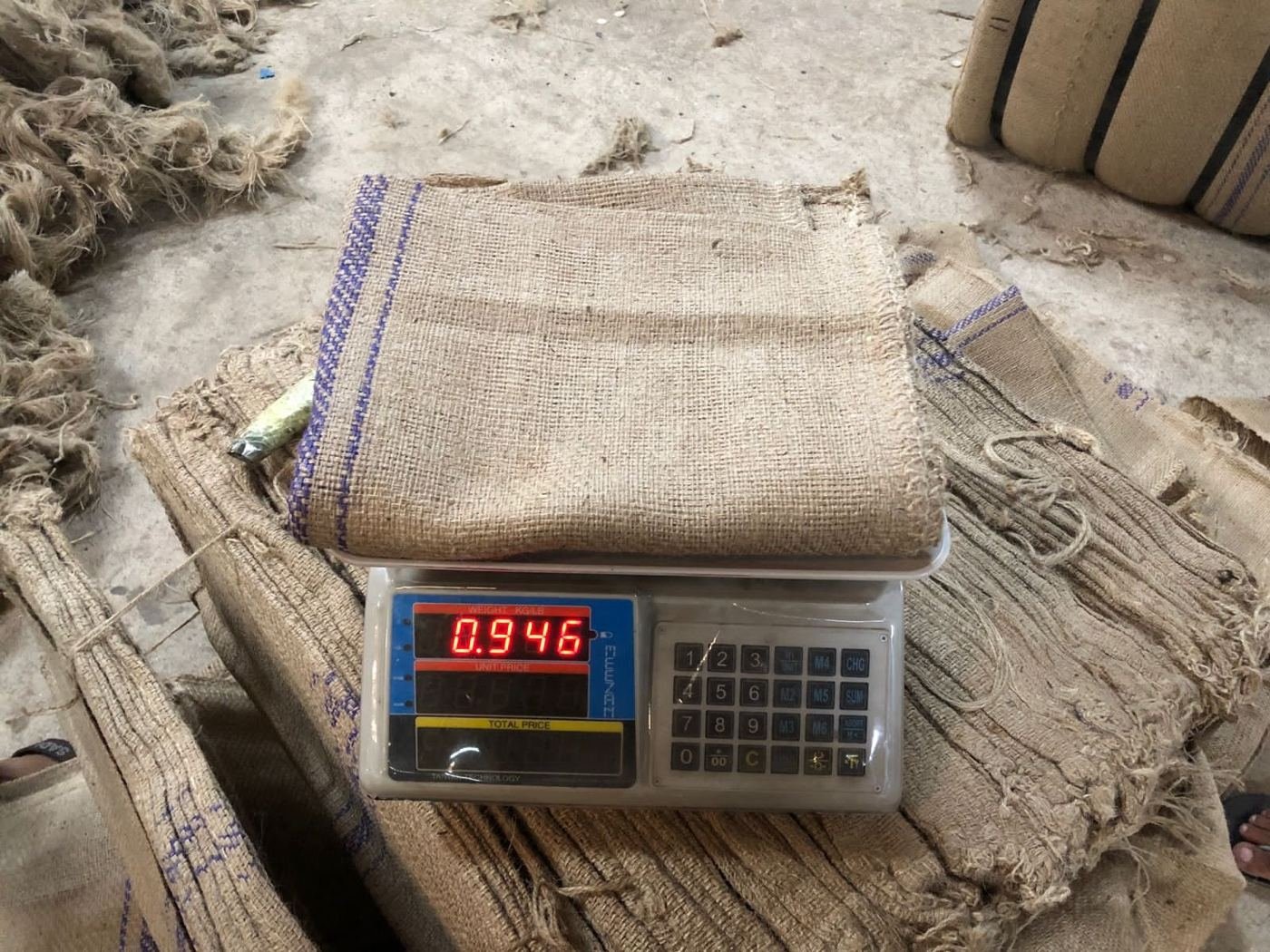
- Pack in clean crates or open-weave jute sacks for short trips to nearby markets: jute ventilates and keeps produce from sweating.
- Move quickly: these vegetables lose quality within a day in the heat.
Dried and seed products
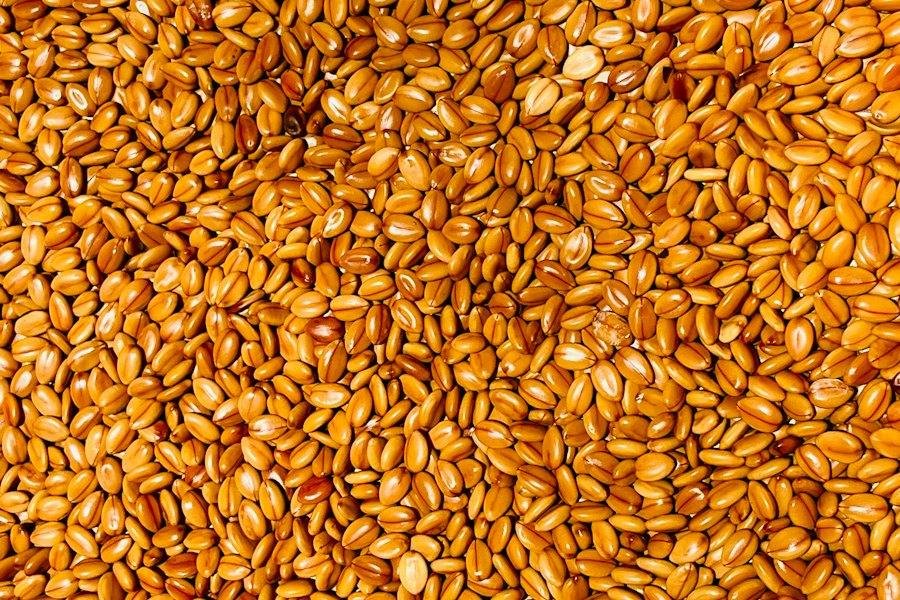
Okra seed, dried okra and dried vegetables are packed dry, and a breathable sack matters for all of them. Al-Khair jute bags suit dry produce and seed.
Contact us to plan fertilizer and packing for your vegetable crop.
Have a question, or need agricultural advice?
Contact us