Farmers who plan their crop around what the market wants earn more from the same land. Looking at global trade, a few product groups stand out for Sub-Saharan growers, and in every one of them handling and packing decide how much of the price reaches the farm.
Oilseeds: sesame and groundnuts
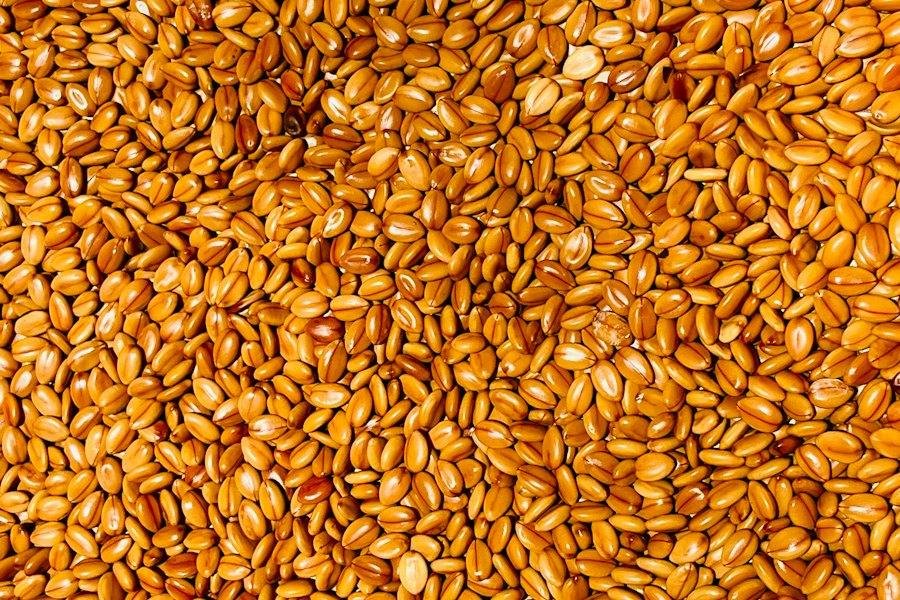
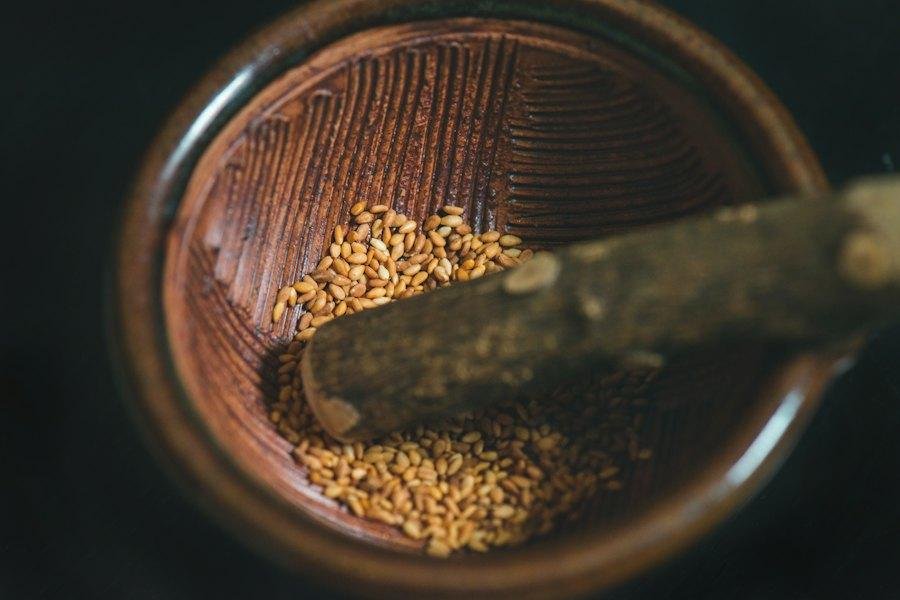
Sesame and groundnuts are traded across continents as food, oil and snack ingredients. Buyers pay for purity, low moisture and food safety, so a farmer who dries, sorts and bags carefully is paid more. See our guides to sesame and groundnuts.
Ancient grains: sorghum and millets
Interest in drought-tolerant, nutritious, gluten-free grains is rising in many countries, which gives sorghum and millets new buyers beyond the local market. Clean, uniform, well-labelled grain opens these buyers. See sorghum and millets.
Seeds and by-products
Pumpkin and watermelon seeds, dried vegetables and similar products turn waste into sales. See pumpkin and watermelon seeds.
Vegetables for growing cities
Tomatoes, potatoes, okra and eggplant serve growing urban markets all year, and farmers with irrigation and a nutrition plan can supply them outside the glut season.
Where the money is
1. Quality and food safety: buyers pay premiums for clean, dry, tested produce.
2. Timing: storing dry produce in good bags lets farmers sell after the harvest rush.
3. Aggregation: neighbours who grade and pack together can fill a truck or a container and negotiate better.
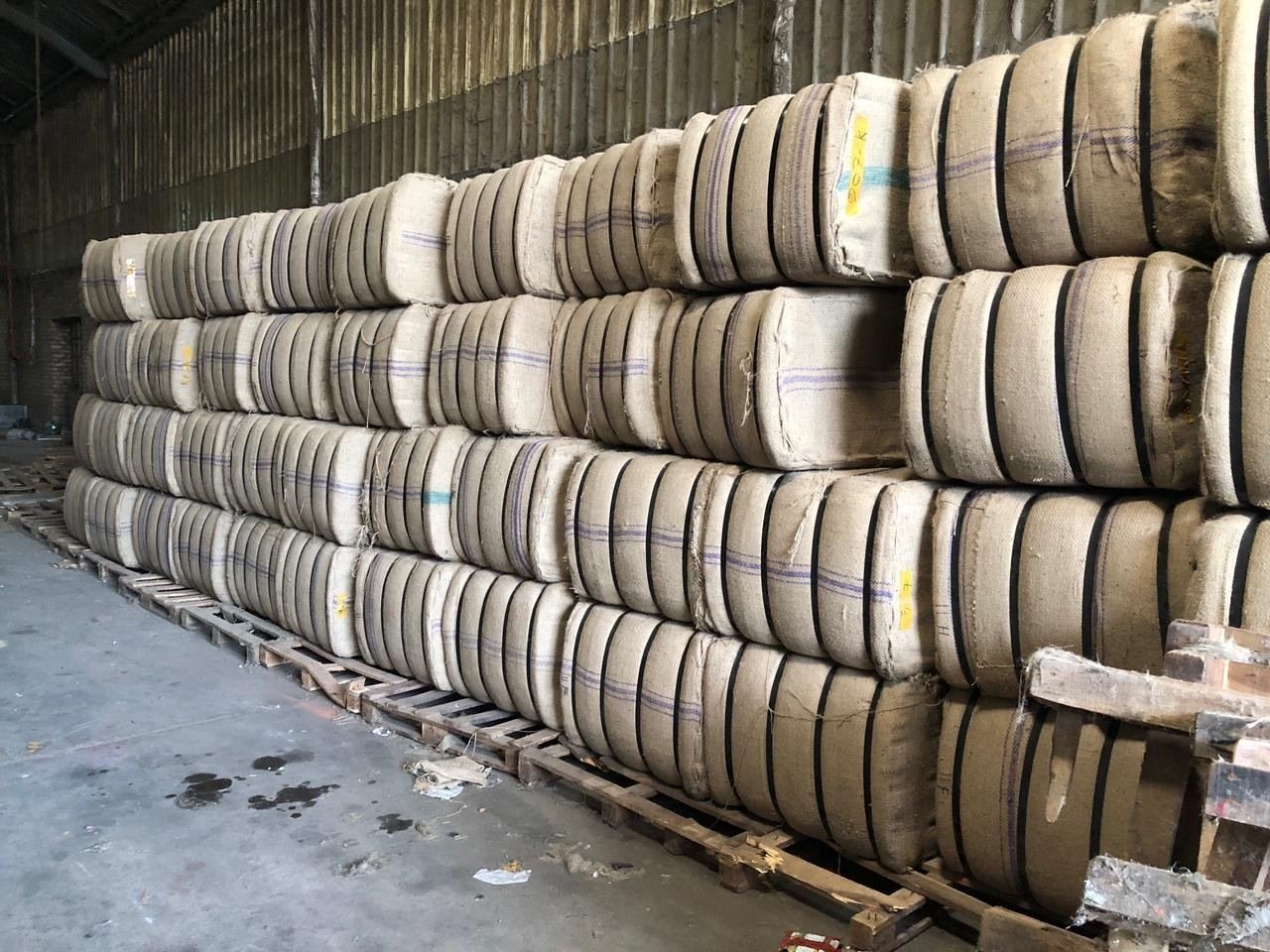
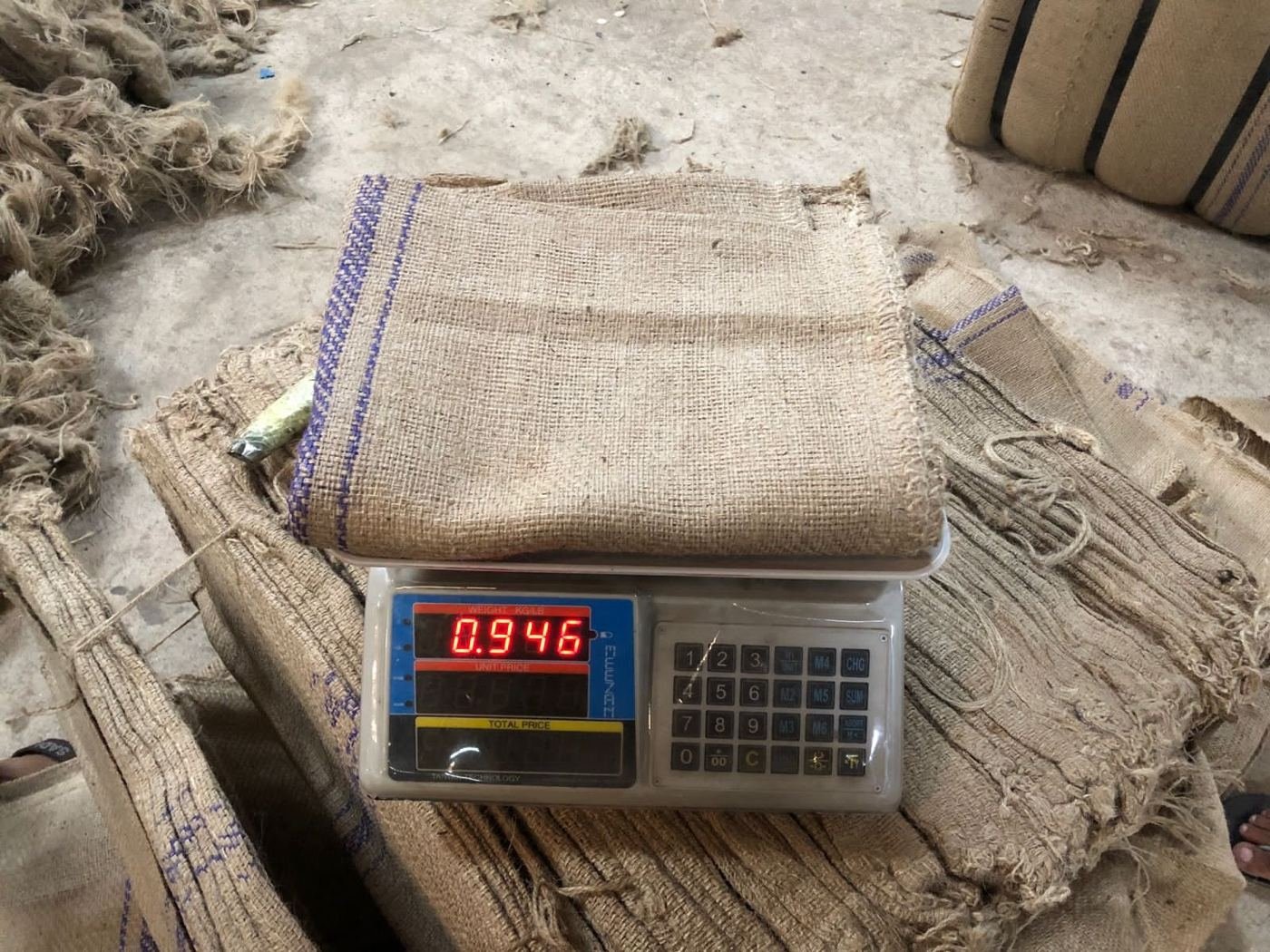
4. Packaging: natural, recyclable jute is welcomed as buyers move away from single-use plastic.
How Al-Khair helps
We supply fertilizers, soil and water testing, irrigation, and jute bags made in Bangladesh. Talk to us about your crop and your market.
Have a question, or need agricultural advice?
Contact us